

The long-blighted Touro-Shakspeare Home in Algiers is one step closer to being reopened now that financing has closed for the project, clearing the way for construction to begin on 52 affordable apartments for seniors.
The $26 million redevelopment marks one of the most significant housing reinvestments in Algiers in years and restores a property originally built in 1933 to care for New Orleans’ elderly poor. The building has been vacant since Hurricane Katrina in 2005. Since then, years of neglect have made it unsafe.
“This project proves once again that historic preservation and affordable housing are not mutually exclusive,” said Kristin Palmer, executive director of the Preservation Resource Center. “It also reminds us that historic preservation is a solution to the affordability crisis. This project is a win-win for everyone involved.”
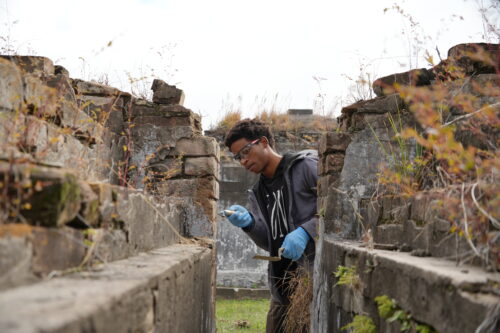
The recent completion of a major stabilization phase—funded by a $6 million loan from the city of New Orleans—addressed structural failures, asbestos, roof collapse and other issues that prevented redevelopment. With the building now secured, crews are beginning the full rehabilitation needed to turn the 72,000-square-foot structure into housing for seniors.
“This next phase represents years of perseverance, planning and partnership to bring this important building back into service for the people it was always meant to serve,” said Josh Collen, president of HRI Communities, which is leading the project. “We are ready to begin the important historic preservation work that will ultimately deliver high-quality, resilient homes for New Orleans seniors while honoring the site’s irreplaceable character.”
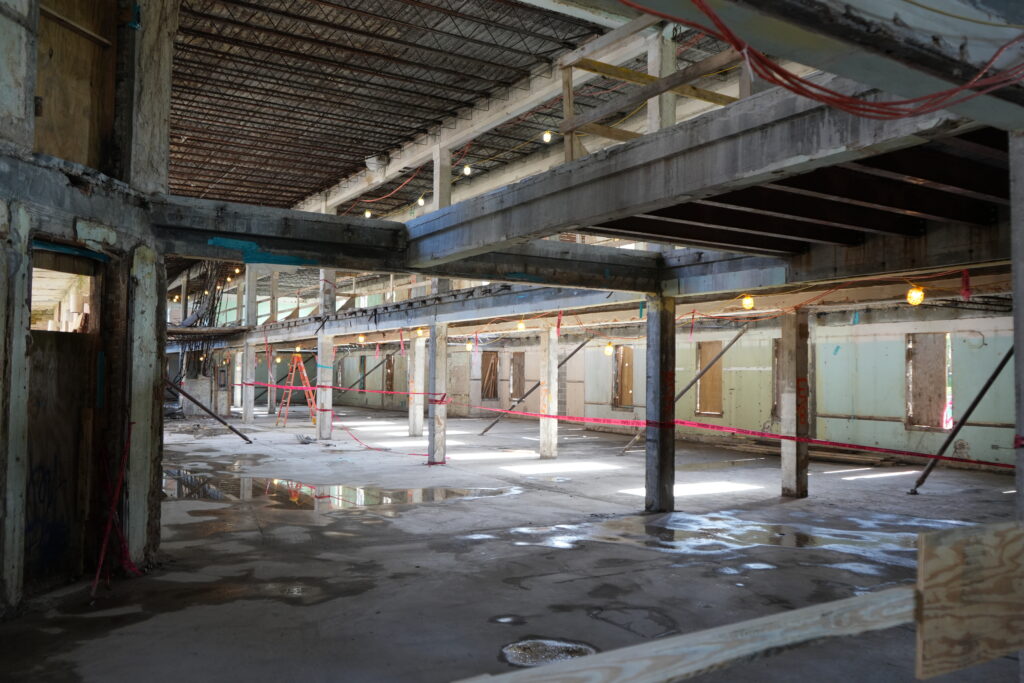
The restored building will feature 52 one-bedroom apartments for residents 62 and older earning no more than 50 percent of the Area Median Income. Rents will be capped at 30 percent of household income to ensure affordability.
Design plans blend historic preservation with resiliency measures shaped by lessons from Katrina and subsequent storms. Features include a fortified roof, storm-rated windows and doors, new elevators, efficient mechanical systems and backup power.
The chapel will be restored for use as a community room, and the open-air courtyards, green spaces and fountains will be refurbished.
“The recent stabilization effort afforded the design team greater insight into the existing historic fabric allowing us to appropriately integrate the new design and amenities, including storm resilience and energy efficiency features, into the historic structure,” said Roger Freibert, president of HCI Architecture and a PRC board member. “This rehabilitation highlights a determination to both preserve and sustain an exceptional living environment for its next senior residents.”
The project’s financing combines federal and state historic tax credits, Low Income Housing Tax Credits, tax-exempt bond debt, hurricane recovery grants, city support, and a Payment in Lieu of Taxes agreement to ensure long-term operational stability. Officials say the approach reflects how preservation, affordability and disaster resilience can align—not compete—with each other.
Work is expected to be done in early 2027.