

One of the greatest threats to preserving our historic environment is the shortage of skilled craftsmen to do the work. Across the country, experienced artisans are retiring, while too few young people are entering the building trades of masonry, ironwork, carpentry and plaster. This crisis is so widespread that in 2017 UNESCO recognized traditional craftsmanship skills as a form of intangible cultural heritage at risk of being lost.
In New Orleans, these trades are especially vital. They offer good-paying, meaningful jobs that can uplift families and communities in a city rich with historic structures but limited in economic opportunity. Preservation craft careers provide a rare alignment of cultural stewardship and workforce development.
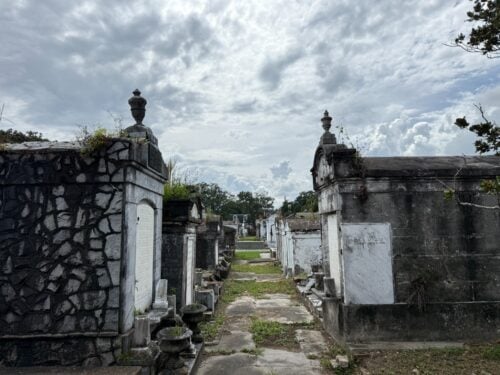
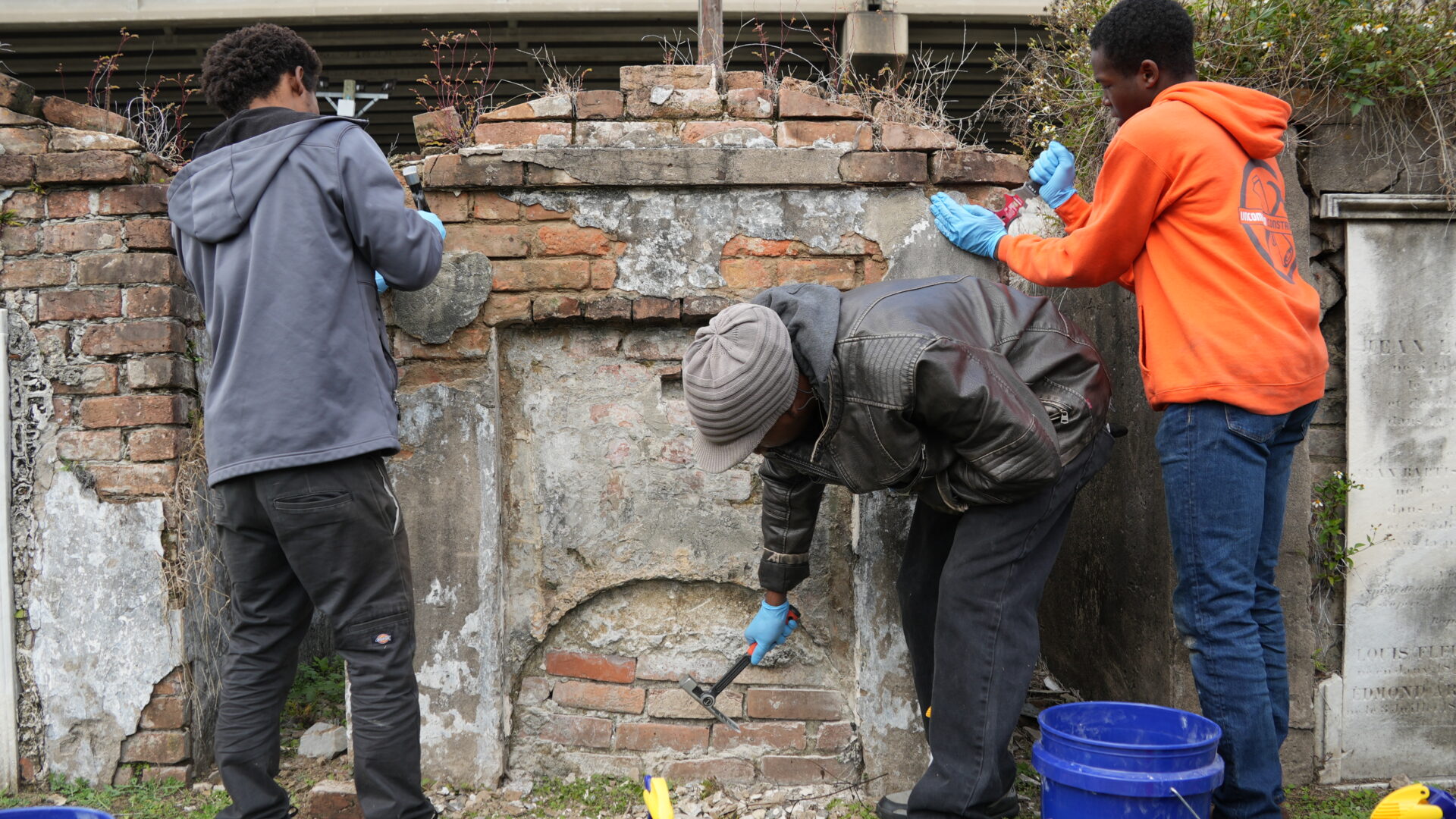
In December, the Preservation Resource Center partnered with the World Monuments Fund to launch a pilot workforce training initiative at St. Louis Cemetery No. 2. Known as Bridge to Crafts Careers (B2CC), the program trains participants in brick masonry and iron restoration. B2CC has already proven successful in two historic New York cemeteries.
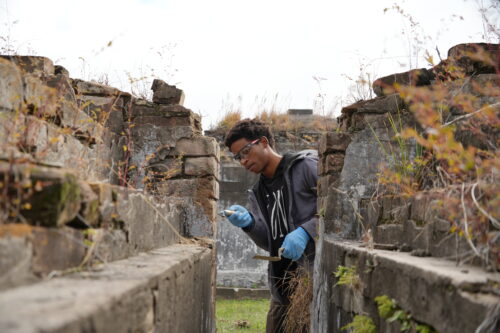
At Woodlawn Cemetery in the Bronx, the Preservation Training Program has operated since 2015 in partnership with the Woodlawn Conservancy and the International Masonry Institute. The program provides hands-on training in masonry cleaning, conservation, and maintenance, with the explicit goal of transitioning participants into careers in the masonry trades. Participants earn OSHA certifications and receive support applying for industry jobs. Recently, the program expanded to include landscape restoration training, which also offers certifications. Many graduates of that track now work for the city’s Parks Department. Woodlawn now offers two B2CC programs a year, training a total of 50 apprentices annually.
Since 2018, B2CC has also operated at Green-Wood Cemetery in Brooklyn. A three-month program, offered each year, focuses on masonry repair and restoration while providing certifications and job readiness training. Through the course of the program, apprentices are trained in masonry skills while actively restoring historic mausoleums. Green-Wood and Woodlawn also both run summer programs for high school students that introduce them early to preservation work and potential career pathways after graduation.
While these B2CC programs differ in structure to reflect local needs, they share several core principles. All participants are paid stipends, and each program is intentionally designed to lead to real jobs. Certifications, employer partnerships, and the active involvement of professional craftsmen are central to their success.
Another essential component is the inclusion of a social services partner. These agencies help participants address practical barriers such as transportation, childcare, resume development and job applications. This allows preservation professionals to focus on teaching craft skills while ensuring participants have the support they need to succeed.
Using cemeteries as training grounds offers multiple benefits. Cemeteries provide controlled worksites where participants can complete projects from start to finish and see the tangible results of their labor. At the same time, these sites receive much-needed repairs to architecturally and culturally significant structures. Cemeteries also contain an extraordinary range of architectural styles and materials in one place, offering unparalleled opportunities for learning. “It’s like being in an architectural library,” one of our participants told me.
As preservationists in New Orleans, we often focus on urgent, present-day challenges. But to safeguard our historic environment, we must invest in the future by building the skills and capacity of our own people.
In the coming year, the PRC will work to establish B2CC as a permanent program, with the goal of full implementation by fall. With strong partners, committed donors and the support of our membership, we can create a program that meets the needs of our city and ensures that preservation skills and good jobs endure for generations to come.