Preservation in Print
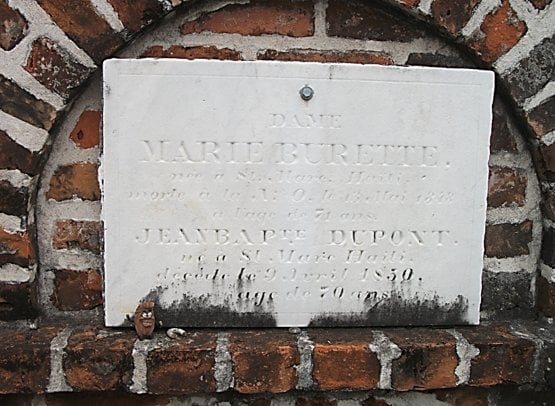
New Orleans’ historic cemeteries have been described as a “tangible record of a continuously developing cultural history.” Far more than …
Preservation in Print
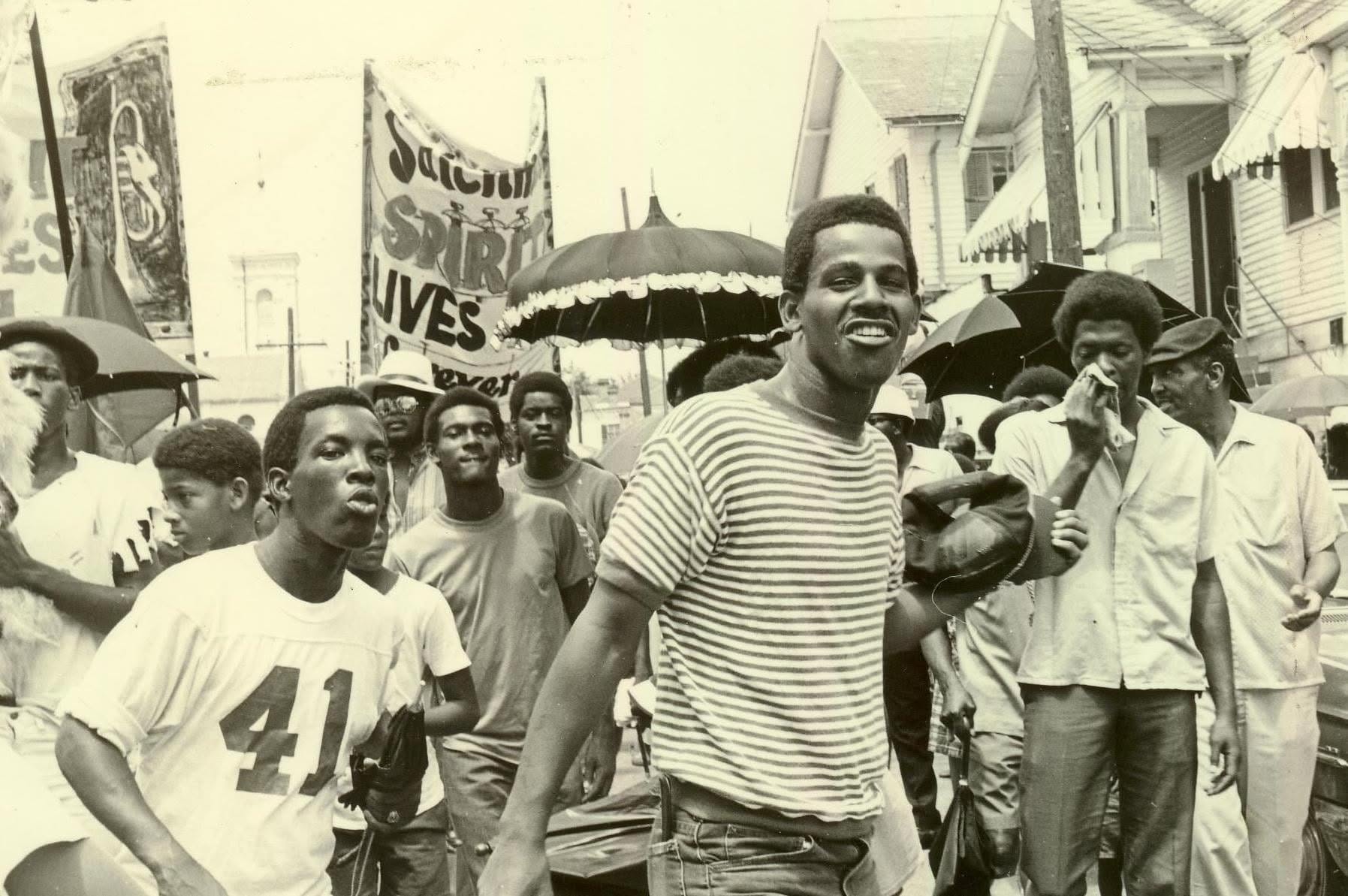
In July 1975, I attended the wake of my great-aunt Madeline “Nana” Victor at Blandin Funeral Home at 1116 St. …
Preservation in Print
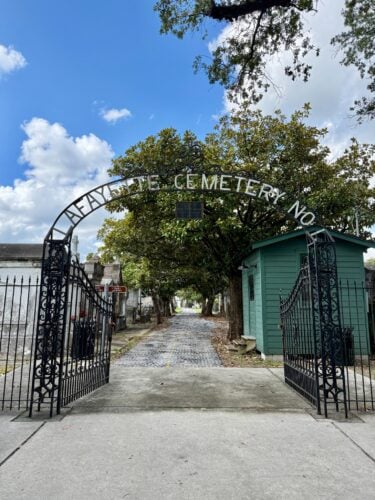
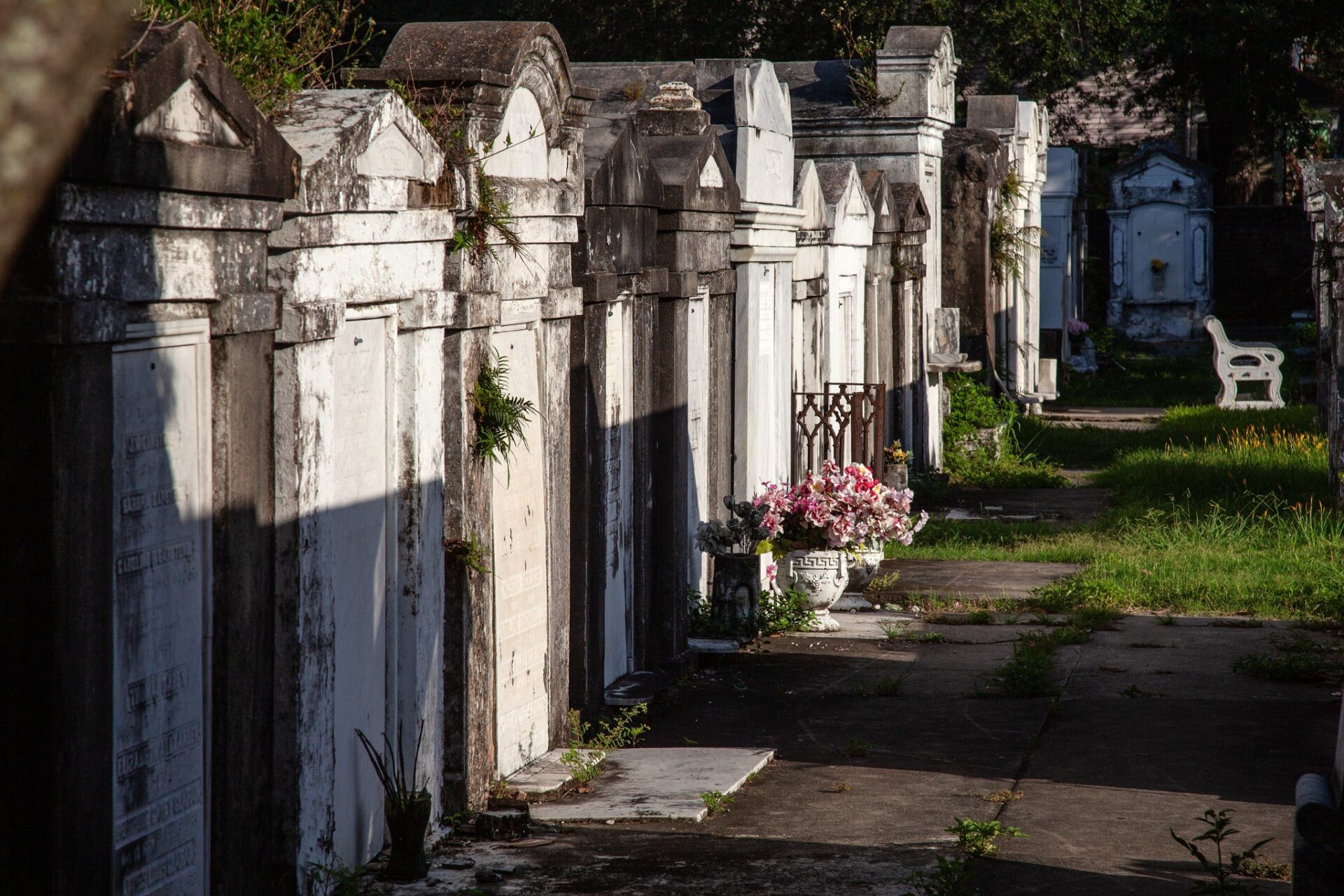
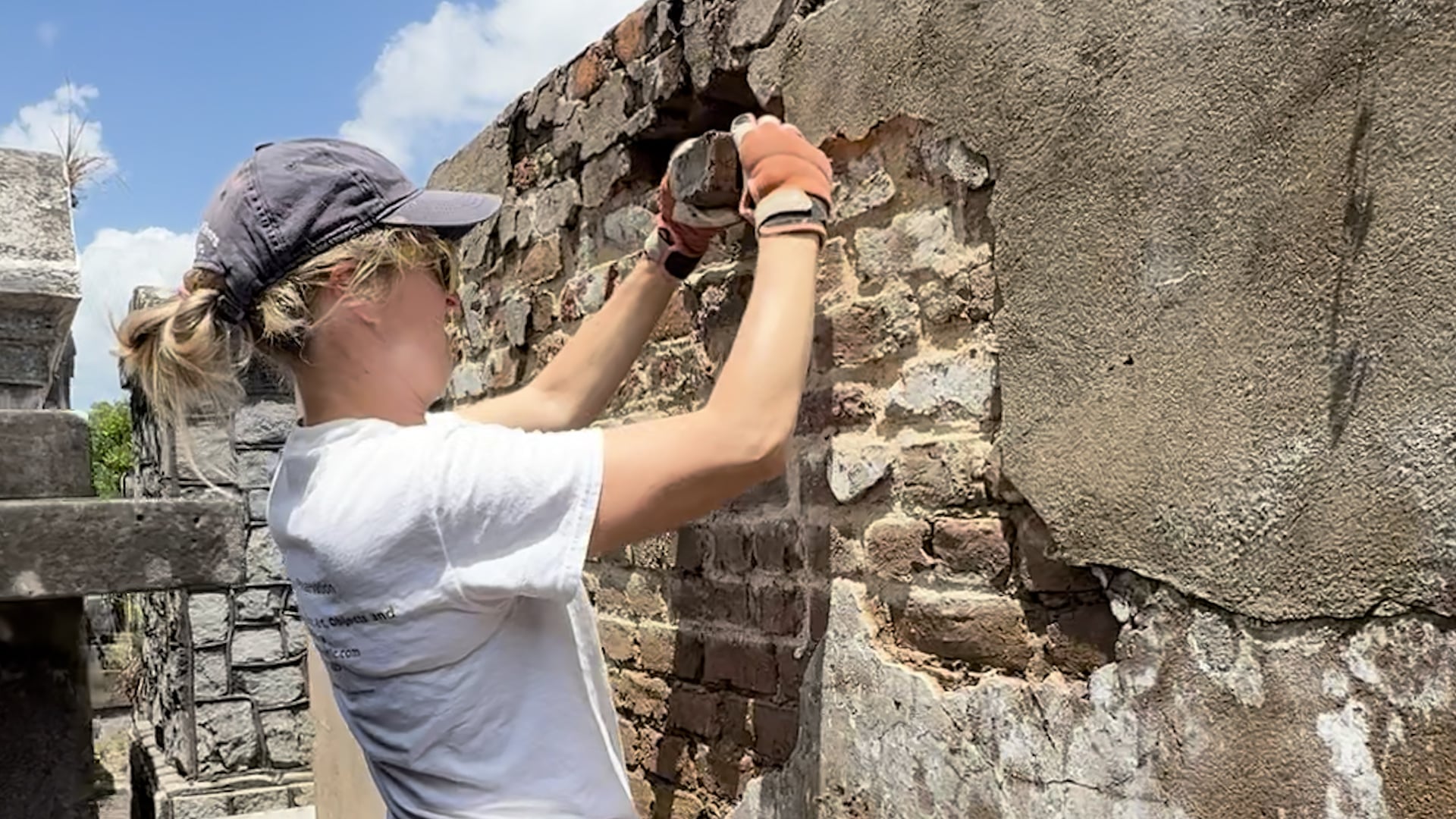
In the Garden District, Lafayette Cemetery No. 1 stands as a physical record of this diverse and ever-changing city, a …
Preservation in Print
Preservation has been the main catalyst for economic development and revitalization in New Orleans for more than 50 years. The …
Preservation in Print
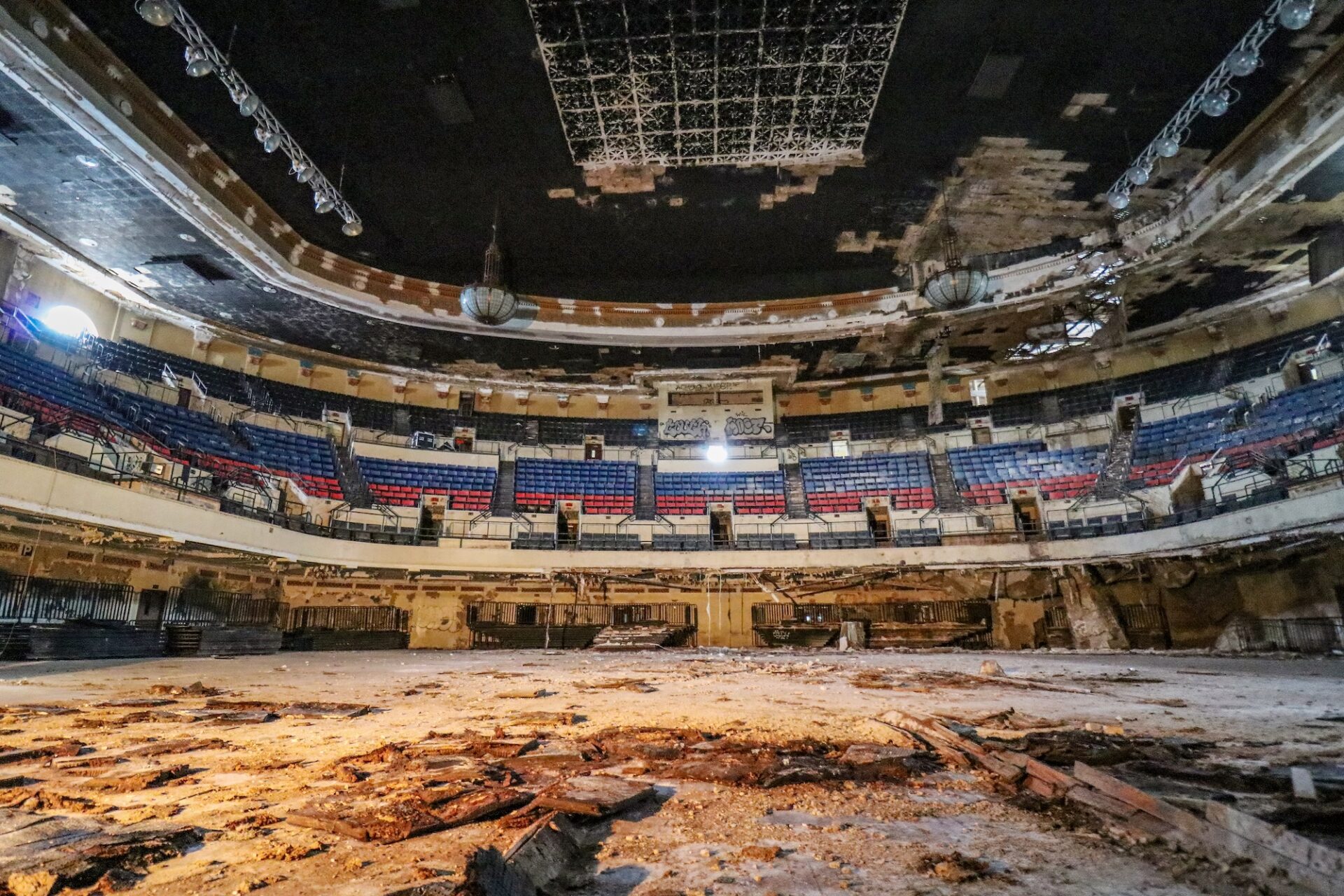
The federal government has extended New Orleans’ deadline to stabilize Municipal Auditorium, which has remained vacant since Hurricane Katrina devastated …
Preservation in Print
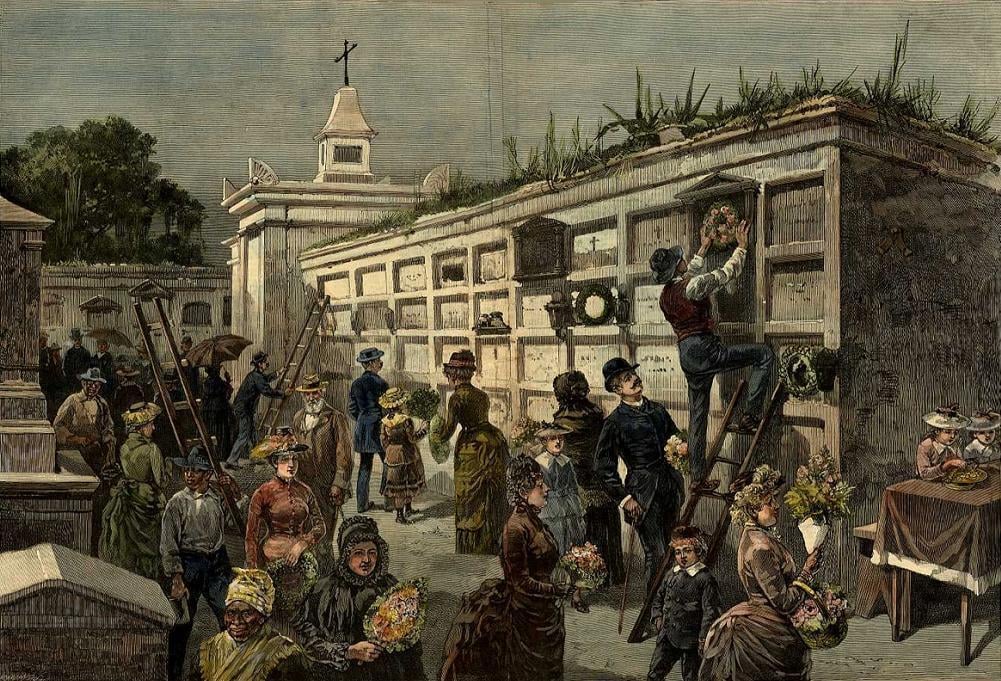
In the early 19th century, New Orleanians woke up early on the first day of November to honor a singularly …
Preservation in Print
In the Garden District, Lafayette Cemetery No. 1 stands as a physical record of this diverse and ever-changing city, a …
Preservation in Print
What the Hell am I Doing Here? It’s a question for everyone who chooses to make their home in an …
Preservation in Print
Jonathan Fricker played a transformative role for many decades in shaping how the State of Louisiana’s Historic Preservation Office identified and documented …
Preservation in Print
New Orleans is shrinking. In 1840, New Orleans was the third-largest city in the country. By 1960, the city’s population peaked …
Preservation in Print
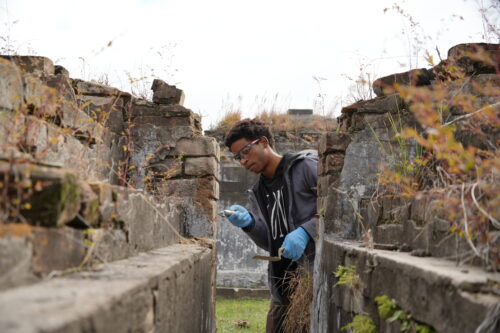
This summer, the Preservation Resource Center is delighted to welcome four rising high school seniors through its internship program. The …
Preservation in Print
Editor’s note: On May 18, Tulane University announced it would pause its potential involvement in the proposed redevelopment that would demolish …