
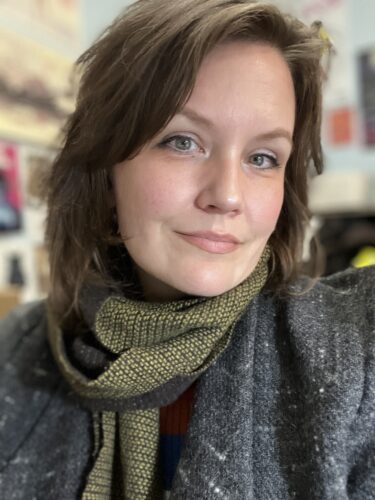
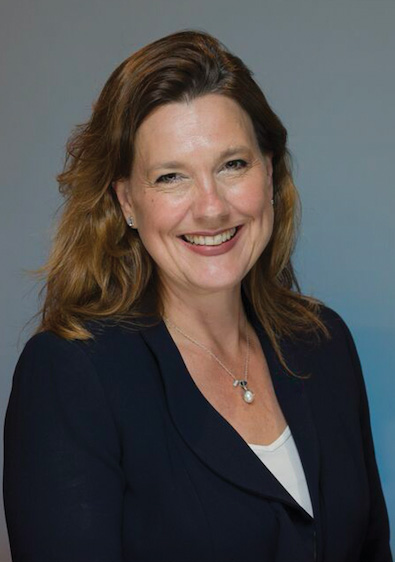
I started my career at the Preservation Resource Center during the late 1990s as a volunteer with Christmas In October (CIO) and became its director at 26 years old. After time away to start a family, I returned to assist with educational programming and created a curriculum on architecture and neighborhood histories that I taught in New Orleans public schools. In the immediate aftermath of Hurricane Katrina, I once again returned as director of Rebuilding Together, formerly CIO.
This period was one of immense hardship. However, within the walls of the PRC there was always ingenuity, creativity and an unsurpassed drive to make New Orleans better, especially in the face of adversity.
After Katrina, we started innovative programming. We built the largest Americorps program in the city, started a salvage store and a deconstruction program, introduced sustainable building practices and created a tool bank that was shared with other rebuilding groups.
This was only possible through working with neighborhood associations and creating innovative partnerships with the public, private and nonprofit sectors. The PRC became the largest rebuilding force in the city and through its advocacy and education, was a powerful voice.
Today, we need that voice to be louder than ever.
As preservationists, we revisit history; we understand lessons learned and the importance of building upon past successes. This time is no different, and New Orleans is filled with challenges. These are directly tied to our population loss which leads to a drastic decline in our tax collections, our inability to invest in our infrastructure and communities and the rise of vacancy and blight.
In 1960 the city had a zenith population of 627,000. When the PRC was formed in 1974, our population was roughly 568,000. In 1988, when the PRC started Operation Comeback and Christmas In October to address blight and the decline in the livability of our neighborhoods, the population was 495,000.
When Katrina hit, our population had declined to 454,000 and plummeted to 208,000 by 2006. We steadily increased to 392,000 by 2018. But since COVID-19, we have dipped to 357,532.
A city built for more than 600,000 people is now home to fewer than 400,000. Let that sink in.
This represents a loss of investment and a rise in blight and threats to our architecture, neighborhoods and culture. But this number also represents an opportunity for solutions that the PRC has always been a leader in finding.
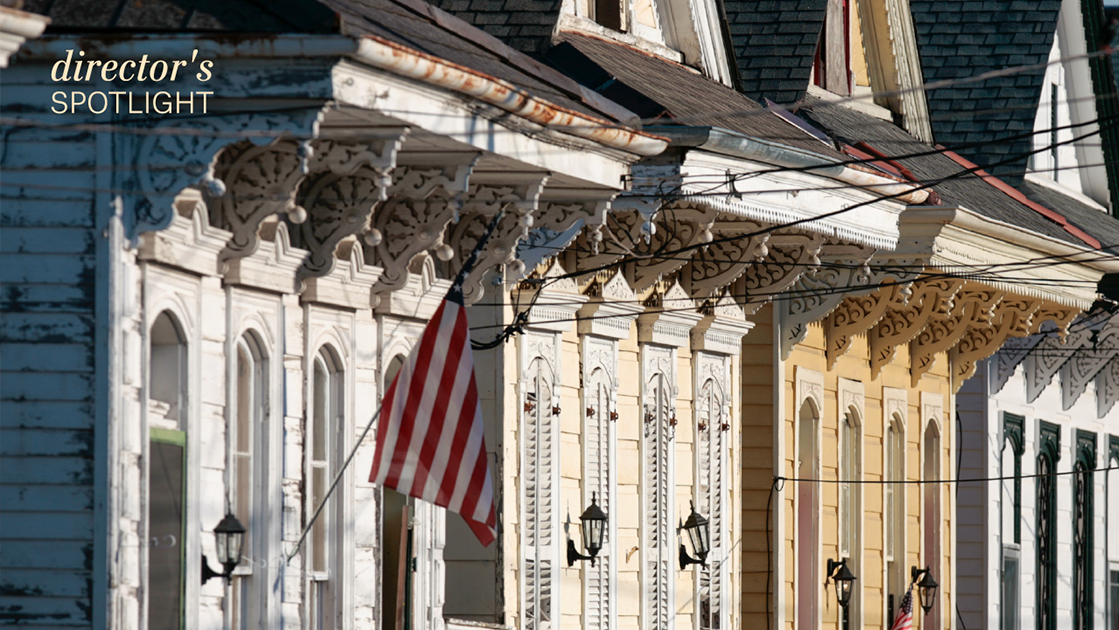
The neighborhoods that the PRC focused on in the early years — from the Warehouse District to the Lower Garden District, to the Irish Channel, Bywater and Holy Cross — are still remarkable success stories, highlighting that preservation is the catalyst for neighborhood revitalization.
Through its history, the PRC has always met the challenges of New Orleans through innovative partnerships and solutions. Today is no different, and the need to expand to meet the growing needs of our city has never been greater.
We are expanding our Revival Grants to focus on sustainable and fortified repairs, by partnering with the National Trust and Traveler’s Insurance. Our Save Our Cemeteries department, in partnership with the World Monuments Fund, has created a training and jobs program centered around brick masonry and iron restoration. Our pilot program will be this month. Our Advocacy and Education departments are centered around putting our historic homes back into commerce as a solution to our neighborhood’s blight and affordability issues.
The past will inform our future. The PRC has always known that it is our historic built environment, our neighborhoods and our culture that gives our city its authenticity and livability, and that preservation is the catalyst for our city to grow and prosper.