



The Louisiana Landmarks Society’s annual New Orleans Nine list shines a spotlight on places in peril due to threats of demolition, neglect or bureaucracy.
This year, the list also includes policies that threaten the city’s delicate historic architecture and neighborhoods.
Modeled on the National Trust for Historic Preservation’s listing of America’s 11 Most Endangered Historic Places, the New Orleans’ Nine was inaugurated by the Louisiana Landmarks Society in 2005.
The Louisiana Landmarks Society hopes to draw public attention to these vulnerable sites while encouraging stronger preservation practices and reminding communities that the loss, destruction and neglect of these places would result in the loss of valuable pieces of New Orleans’ cultural and historic fabric.
The following text was provided by the Louisiana Landmarks Society.
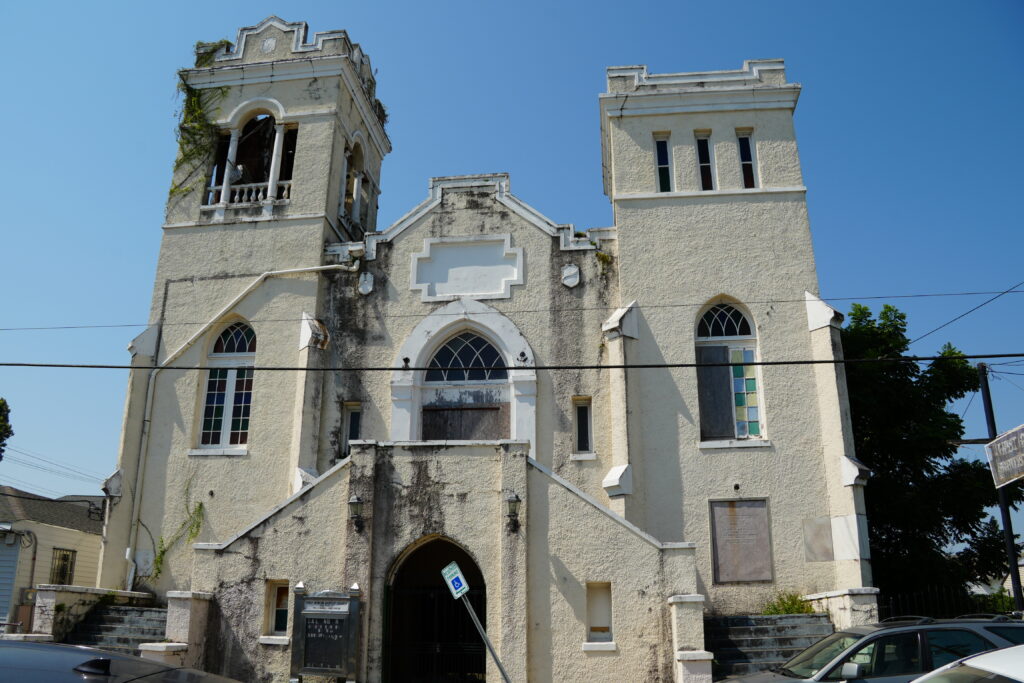
First African Baptist Church
2216 Third St., Central City
Threat: Damage and Lack of Funding
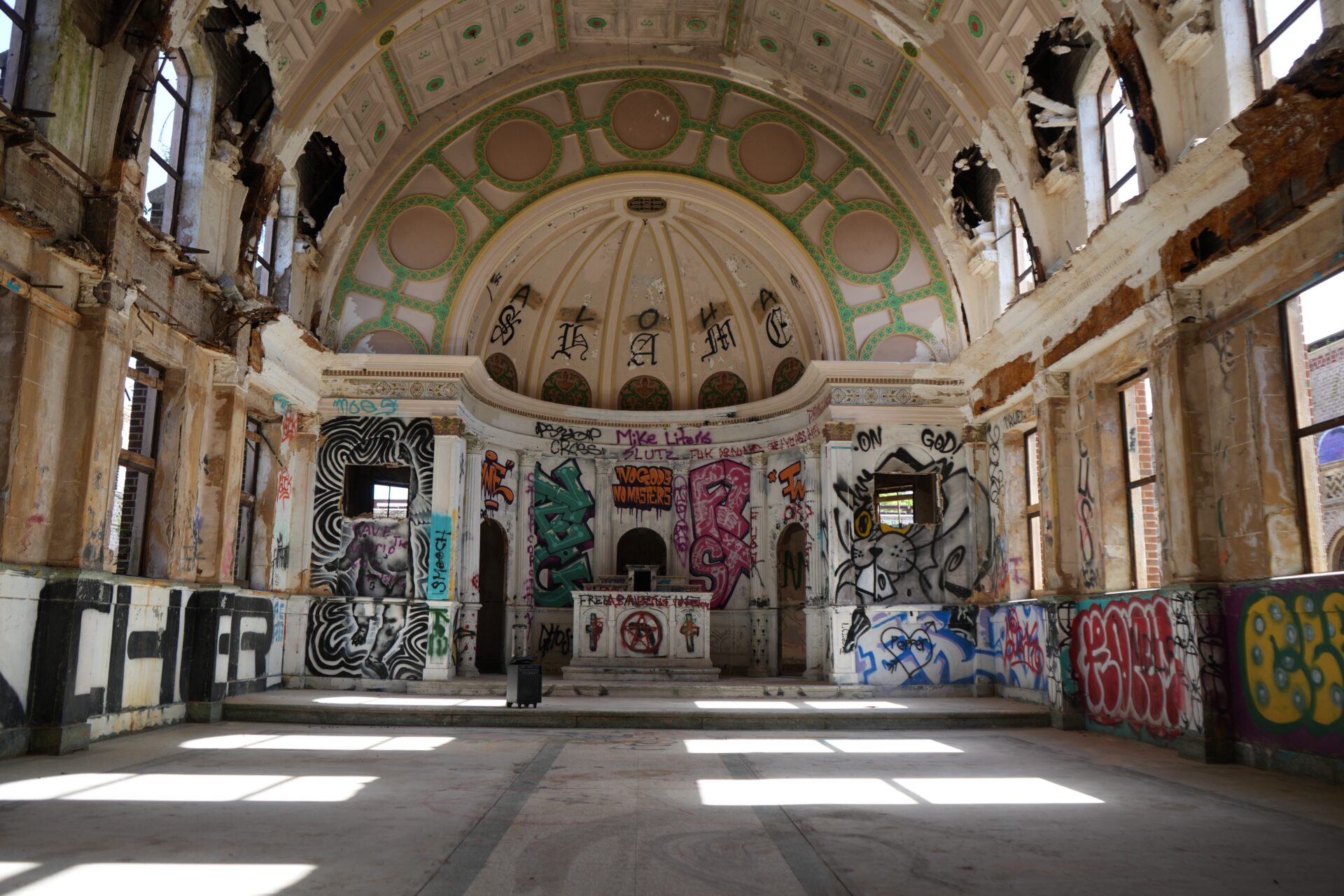
With roots dating to 1817, the First African Baptist Church is the oldest Black Baptist congregation in New Orleans, and by some accounts in the state of Louisiana. Construction began in 1904 on this Spanish Revival-style church in Central City that served as a space for religious and community gatherings, educational and cultural events, and political activism. The local landmark remained home to a thriving congregation until it became unusable after sustaining significant damage during Hurricane Ida in 2021. The congregation urgently needs funding to restore this significant site before the building becomes unsalvageable.
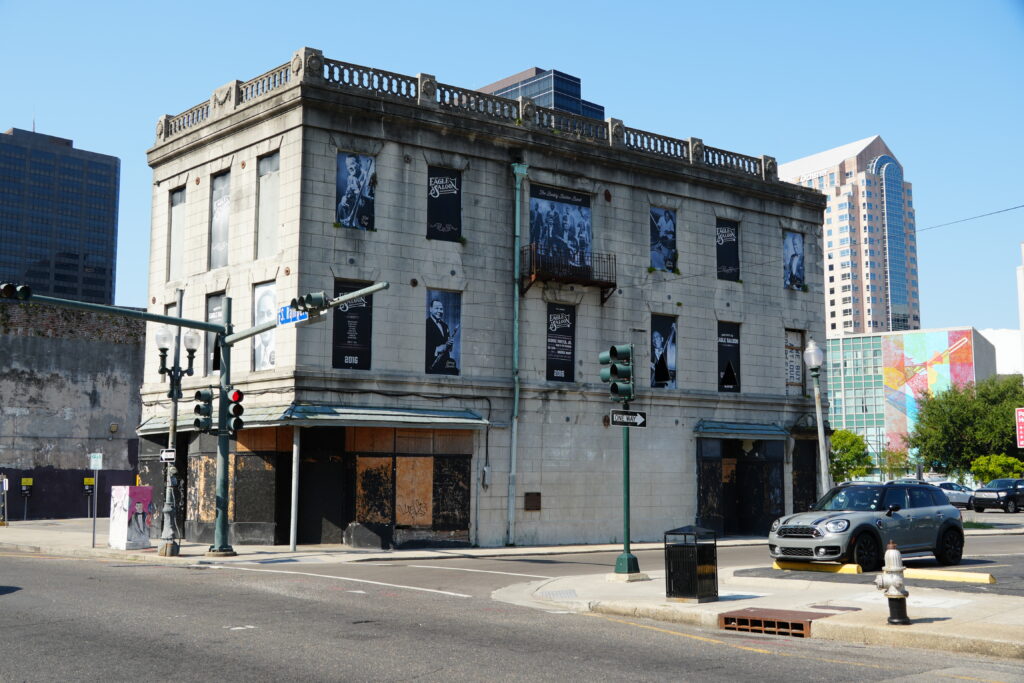
The Eagle Saloon
401 S. Rampart St., Central Business District
Threat: Demolition by Neglect
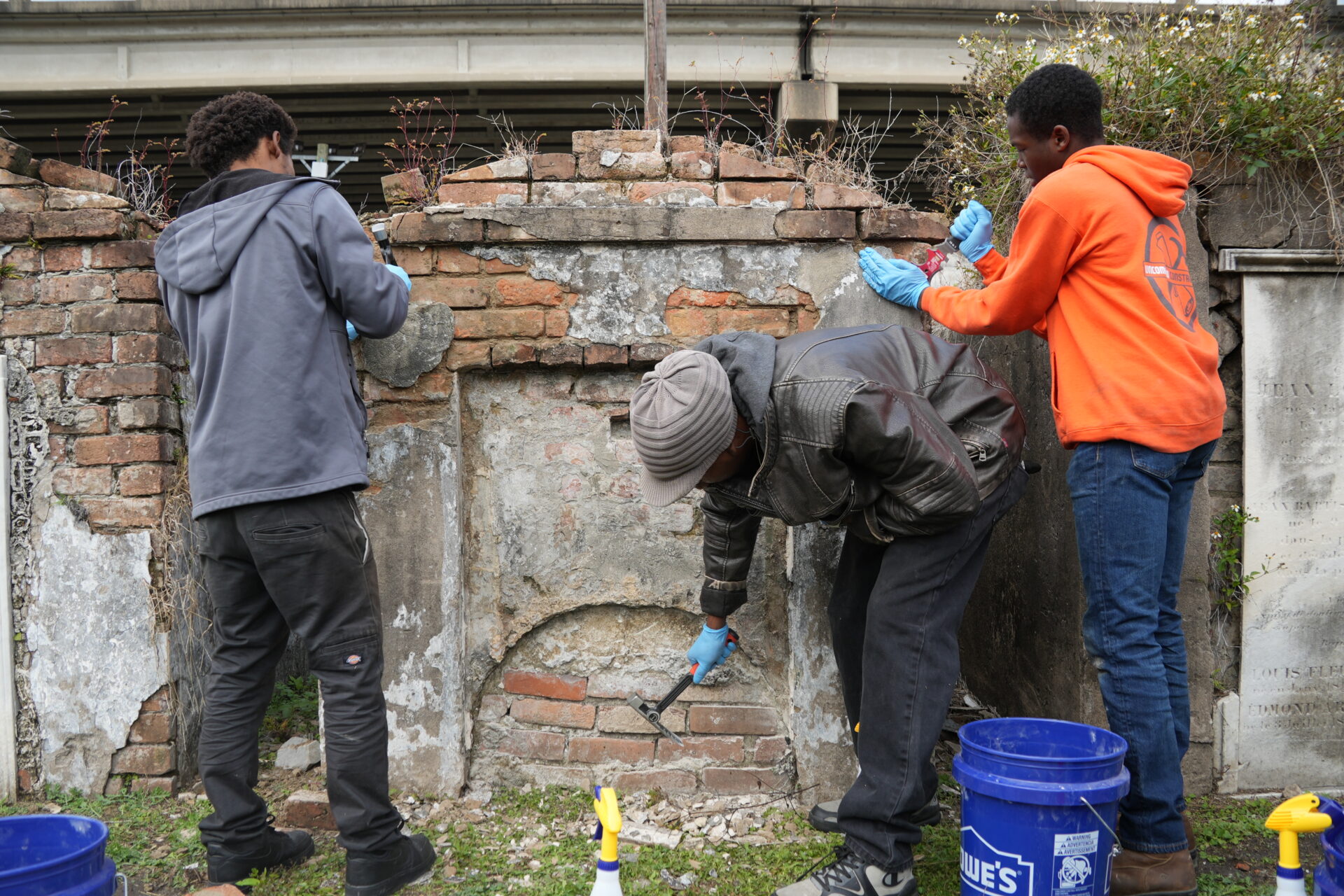
Built in 1850, the Eagle Saloon stands as a nationally significant early jazz landmark — one of the last survivors of “Black Storyville” along South Rampart Street. This sacred ground witnessed the musical genesis of legends like Buddy Bolden and Joe “King” Oliver, while serving the diverse “Back of Town” neighborhood that shaped Louis Armstrong’s youth. Despite its 2002 National Register designation, the Eagle Saloon remains shamefully neglected: vacant, deteriorating and forgotten. Redevelopment of other buildings in this jazz corridor are complete or underway. The Eagle Saloon must be prioritized for renovation.

Historic Interiors
Citywide
Threat: Removal of Historic Heritage
Contemporary taste for open floor plans and stark minimalism permanently removes much of our architectural heritage. Historic homes with lovingly restored exteriors are being brutally gutted and transformed into sterile white boxes that obliterate authentic character. Fireplaces, molding, trim, pocket doors, flooring and sometimes entire walls are all sacrificed to appeal to the most generic market possible. While buildings may need updates for modern use, stripping away historic character doesn’t necessarily improve functionality — it creates bland spaces devoid of the warmth, history and authentic New Orleans charm that once defined them.
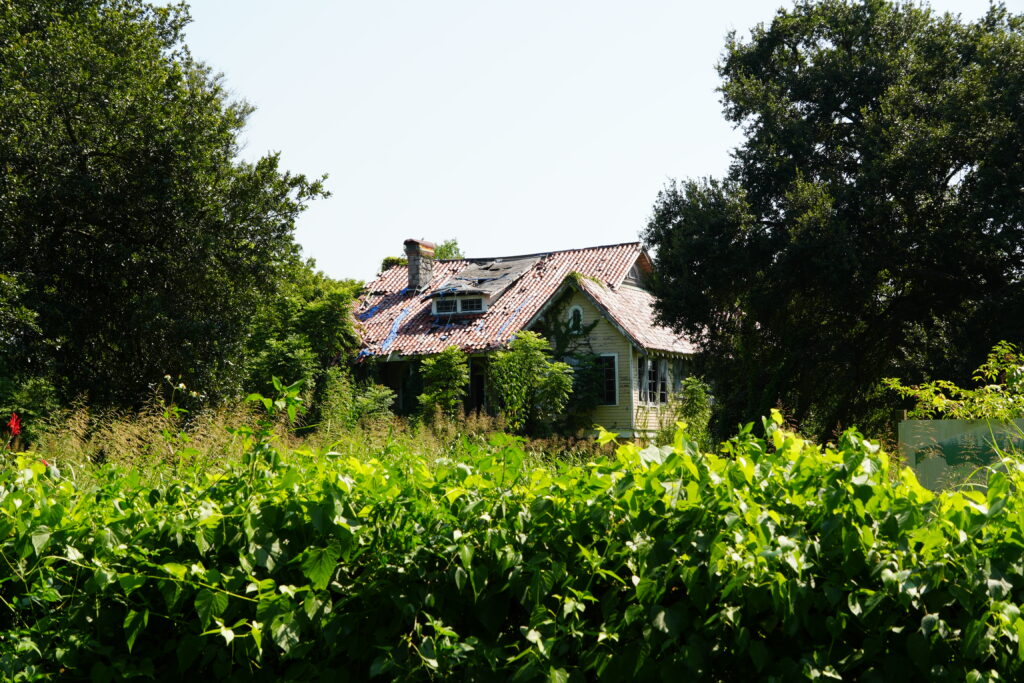
Dr. Alfred and Minnie King House
Address: 2020 Farragut St., Algiers
Threat: Demolition by Neglect
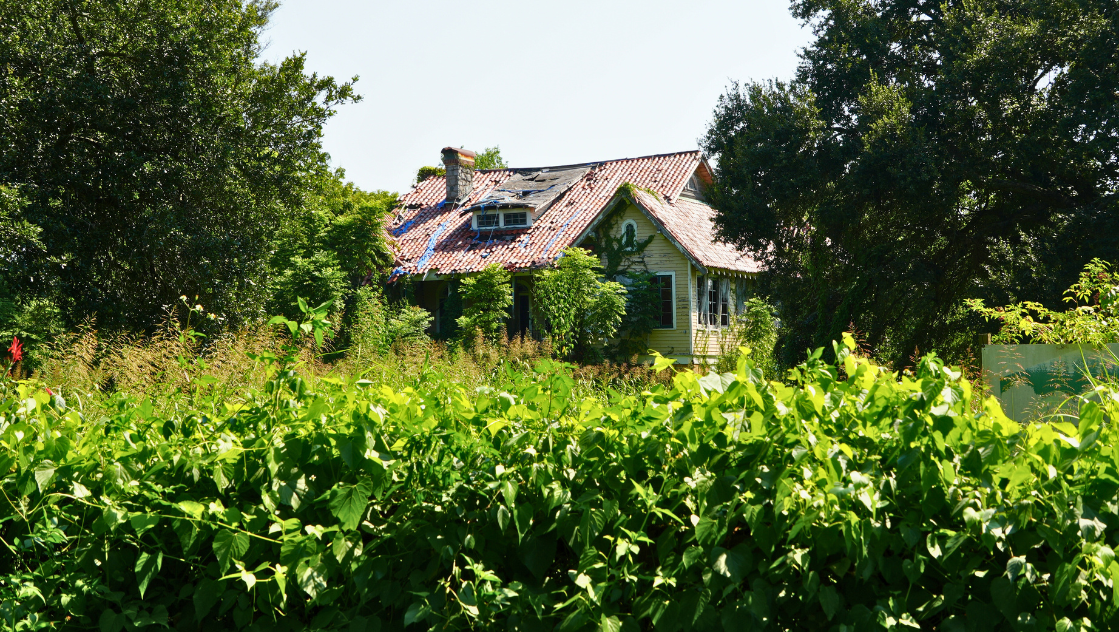
In 1932, Dr. Alfred King acquired an expansive parcel near the Algiers Naval Station, where he and his wife built an idiosyncratic interpretation of a Colonial Revival-style raised cottage. Dr. King died in 1933, and his widow lived on the property until 1951, cultivating celebrated gardens. From 1952 until 1970, Dr. King’s nephew, Vernon Lee Davis, and his wife, both horticulturists, maintained this country home in the city. Today, the abandoned cottage is perilously dilapidated, obscured by vegetation. Although a developer acquired 2020 Farragut and the grounds of the demolished 2030 Farragut in 2017, neglect continues.

Excessive Industrialization
9th Ward
Threat: Uncoordinated Over-Industrialization
Excessive industrial intensification in the 9th Ward threatens the area’s hard-won post-Katrina recovery. The proposals for a grain train route through residential streets, demolition of the historic St. Claude Bridge, creation of a Florida Avenue truck route, and replacement/relocation of the Industrial Canal lock prioritize industrial uses over neighborhood safety and sustainability. These projects sacrifice residential quality of life and local economies for expansion by non-local industries. They will devastate property values and drive out residents through increased noise, decade-plus construction, traffic, pollution and flood risks. This uncoordinated hodgepodge approach lacks comprehensive planning and risks undoing decades of rebuilding efforts.

Code Enforcement Citing “Imminent Dangerous Conditions”
Citywide
Threat: Demolition by Code Enforcement
The city’s Code Enforcement employs overly aggressive demolition practices by rebranding “Imminent Danger of Collapse” as the vague “Imminent Dangerous Conditions.” This circumvents Historic District Landmarks Commission and City Council review. Since early 2024, 203 of 216 IDC demolition permits have been granted, with the others under review. Structurally sound buildings now become “emergency” demolitions without transparent criteria, rationale or process. Minor violations escalate to demolition before exploring alternatives, leaving vacant lots where historic architecture — key to the city’s appeal — once stood. Code Enforcement prioritizes speed and numbers over preservation, destroying irreplaceable heritage while undermining community input and setting dangerous precedents.
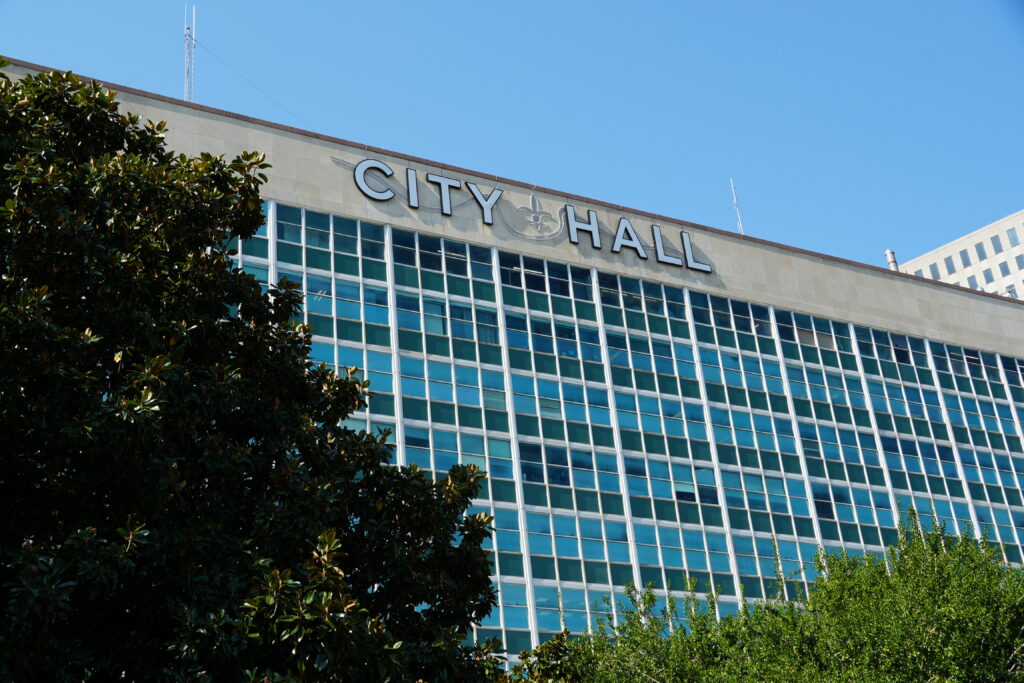
The Rule of Law
Citywide
Threat: Lack of Open, Transparent, Accountable City Government
The rule of law is under attack by the city administration through systematic violations of public record laws, open meetings laws, zoning regulations, public notice and altering public documents. This administration has undermined transparent governance and is now threatening the authority of the Master Plan. Public confidence in city institutions and the consistent application of the law has eroded in the face of cronyism, where laws, regulations and permits are applied based on the applicant’s connections rather than legal merit and fair process. The result is ever more contentious public hearings, divisive politics, resentment and circumvention of regulations.
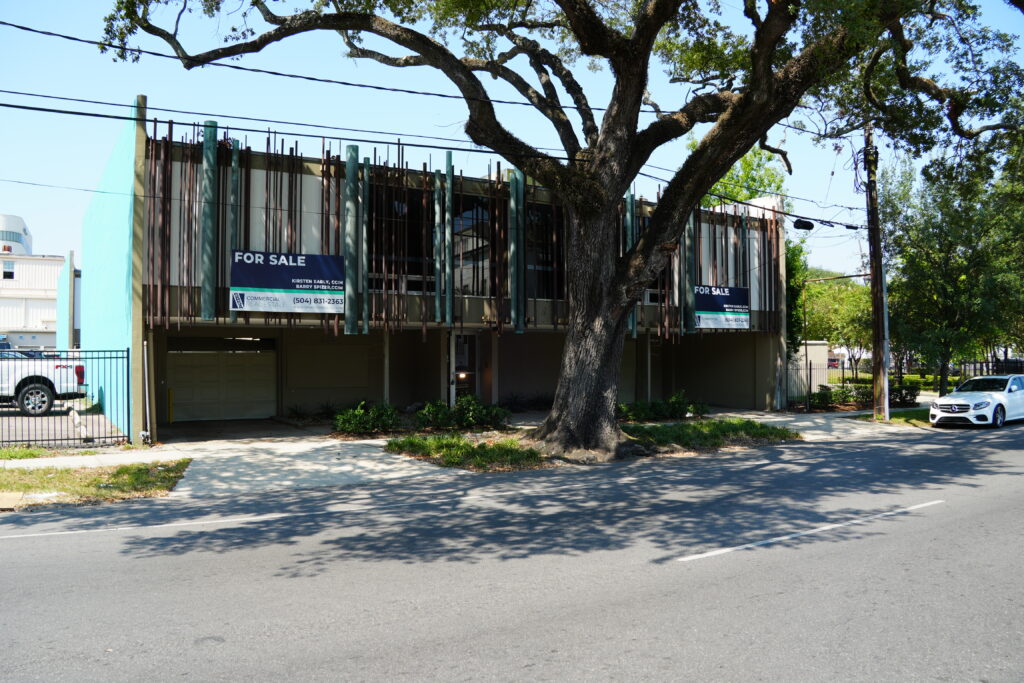
Midcentury Modern Buildings
Citywide
Threat: Lack of Appreciation and Protection
From the 1930s to the 1970s, New Orleans witnessed a robust and lauded modernist movement that transformed the city’s skyline. However, midcentury modern buildings are often dismissed as untraditional in New Orleans. The Historic District Landmark Commission cannot protect most of these buildings because they were constructed after the National Register-defined periods of significance for historic districts, which determines if a building contributes and must be regulated. Since the wave of midcentury modern demolitions following Hurricane Katrina, a troubling pattern has emerged where buildings from this era are labeled non-historic and unworthy of preservation.

St. Claude Corridor
St. Claude Avenue
Threat: Lack of Planning and Investment
St. Claude Avenue, once a thriving business corridor, has experienced disinvestment and blight since the 2005 flood. Empty storefronts, blighted buildings, graffiti, trash and dangerous traffic conditions reinforce the downward spiral. The lack of planning and public investment in the corridor to restore city services, beautify the neutral ground and calm traffic discourages new investments while driving businesses like bars and restaurants into adjacent residential neighborhoods, where they come into conflict with residents. As a state highway, the city does not have full jurisdiction and will need cooperation from the state legislature to enact improvements.