


Tour this and other stunning private homes in the historic Garden District during the PRC’s 50th annual Holiday Home Tour presented by McEnery Residential on Dec. 13 & 14.
Click here for tickets and tour details.
The two-story Greek Revival house at St. Charles Avenue and Philip Street stands out not only for its beauty and architectural significance but also for its unique place in New Orleans history.
In 1856, Lavinia Celles Dabney purchased a double lot on St. Charles Avenue to build her home. While women in New Orleans could own property through various means at the time, few were doing so in the Garden District—especially unmarried women without a father, brother or husband to represent them.
Dabney’s independence continues to inspire the home’s current owners. “It feels good to live in the home of someone who was ambitious and, quite frankly, accomplished something quite extraordinary at that time,” one co-owner said.
Dabney bought the property for $8,600 and began construction in late 1856 or early 1857. She hired James Gallier Jr. of Gallier and Turpin to design a Greek Revival, two-story, side-hall, double-gallery dwelling with a separate kitchen, privy, and cistern. Gallier used yellow pine, cypress, and Welsh slate and English ridge tiles on the roof.
The rose-pattern cast-iron railings on the front and side verandas match those on Gallier’s own Royal Street home, and the cast-iron fence was made by the William Ebert firm. According to the Library of Congress, the residence is “one of the few remaining houses in New Orleans that can be considered the design of James Gallier Jr.”
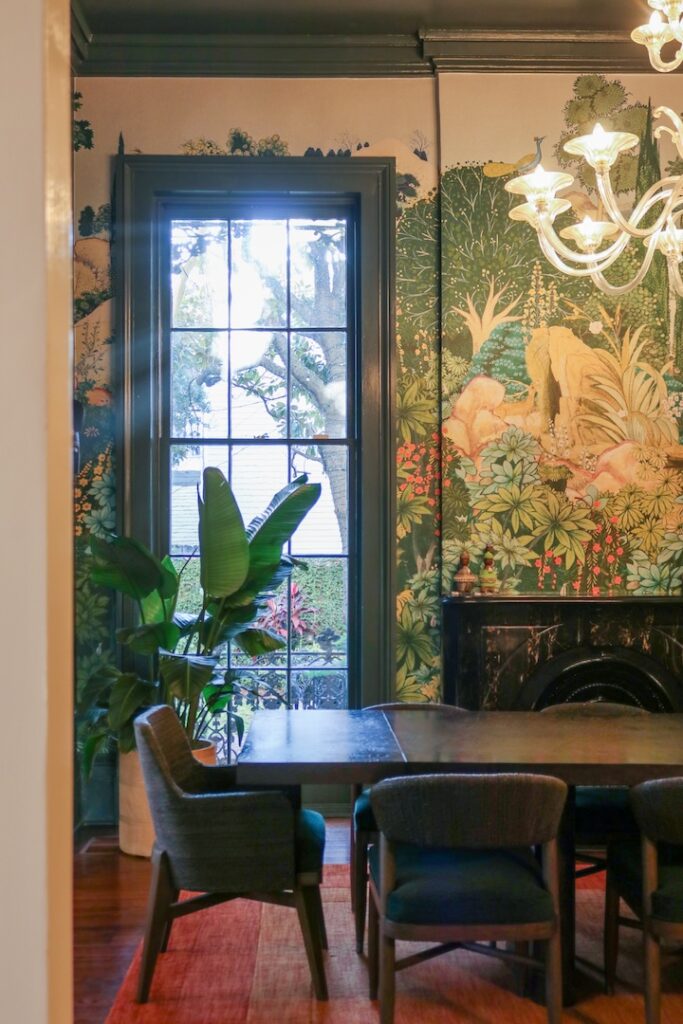
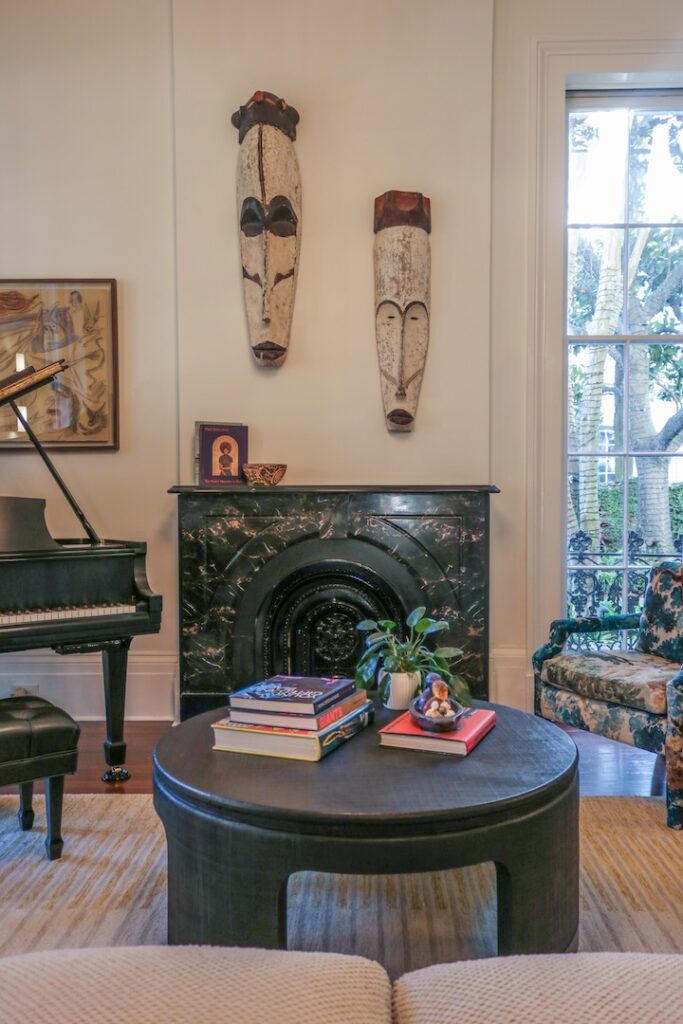
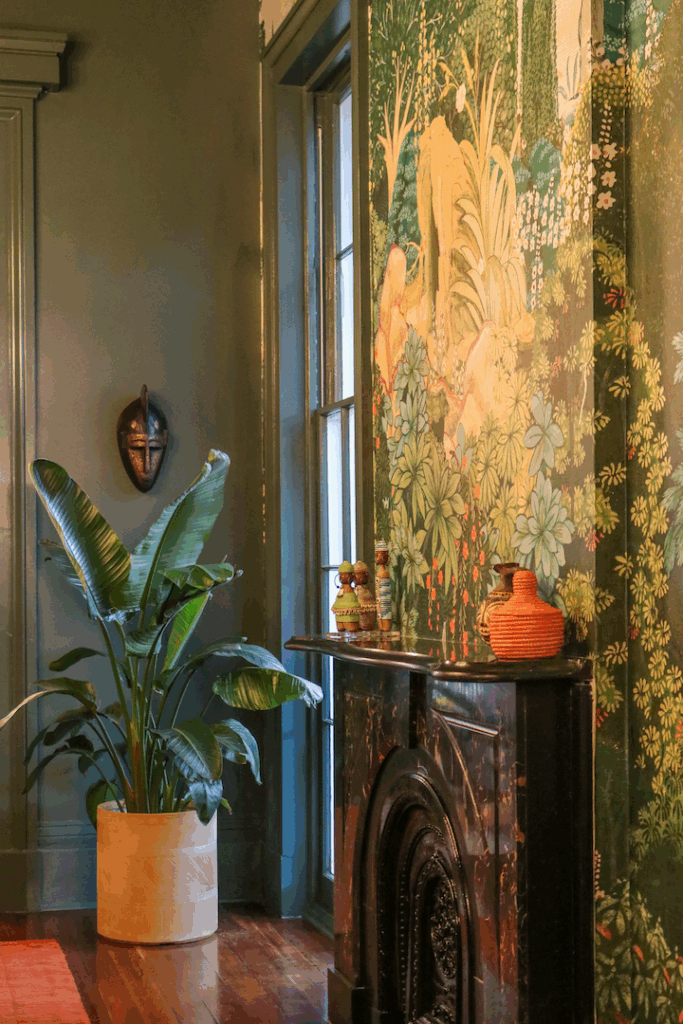
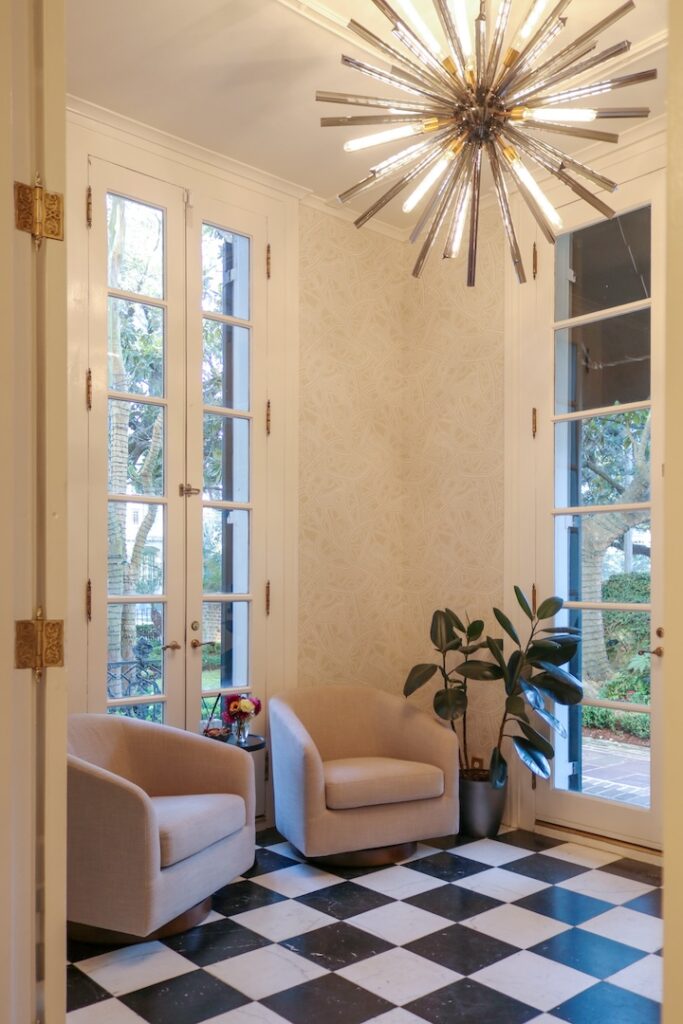
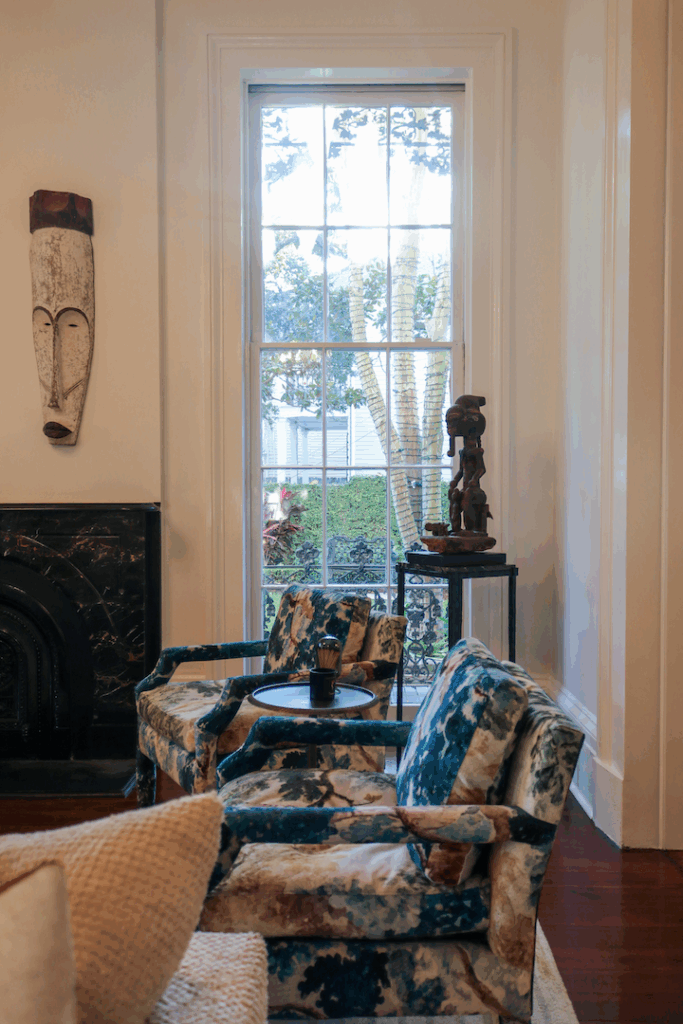
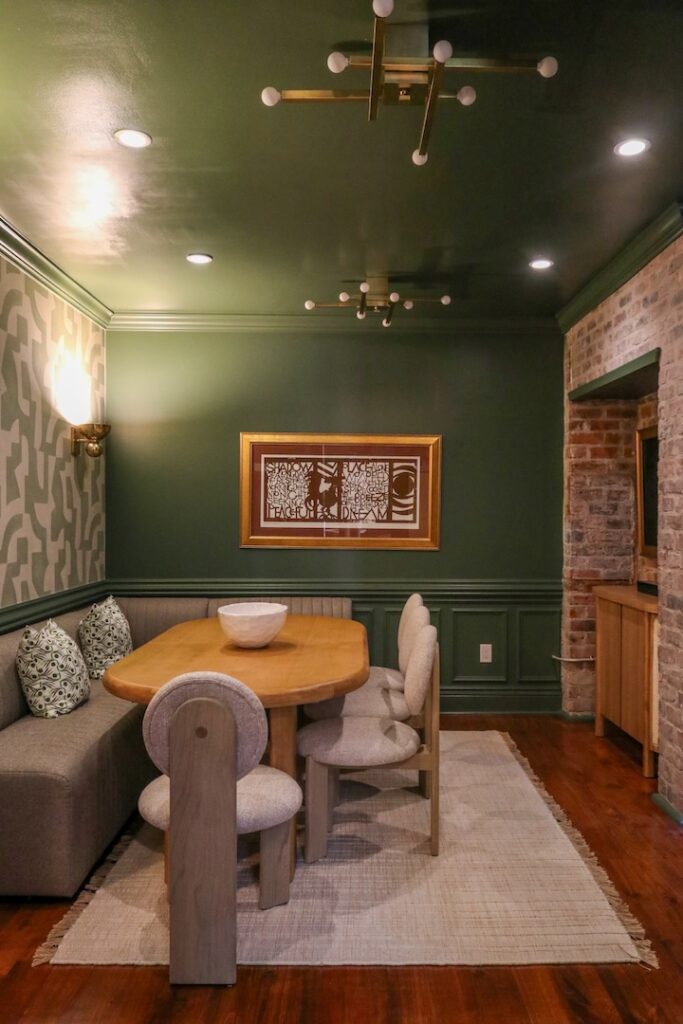
Photo by Liz Jurey/PRC
Photo by Liz Jurey/PRC
Photo by Liz Jurey/PRC
Photo by Liz Jurey/PRC
Photo by Liz Jurey/PRC
Photo by Liz Jurey/PRC
In 1859, Robert W. Boyd, a federal surveyor, bought the property for $16,000. He sold it in 1872 to Frederick Duffel of Donaldsonville, who sold it a year later to Wallace Ogden, a New York broker. Ogden’s widow sold it at auction in 1890 to James Sweeney, who later lost it in a sheriff’s sale in 1893.
The buyer was Jonas U. Rosenthal, a German-born real estate agent, who paid $16,500. It remained in the family until 1952, when it was sold to the Diocese of the Episcopal Church for $38,500. The diocese, which owned it until 1972, added the side gallery.
After several additional owners, Stephen Murray Jr. bought the home in 2004, donating its façade to the Preservation Resource Center’s easement program, ensuring its preservation in perpetuity. Murray sold the house in 2010.
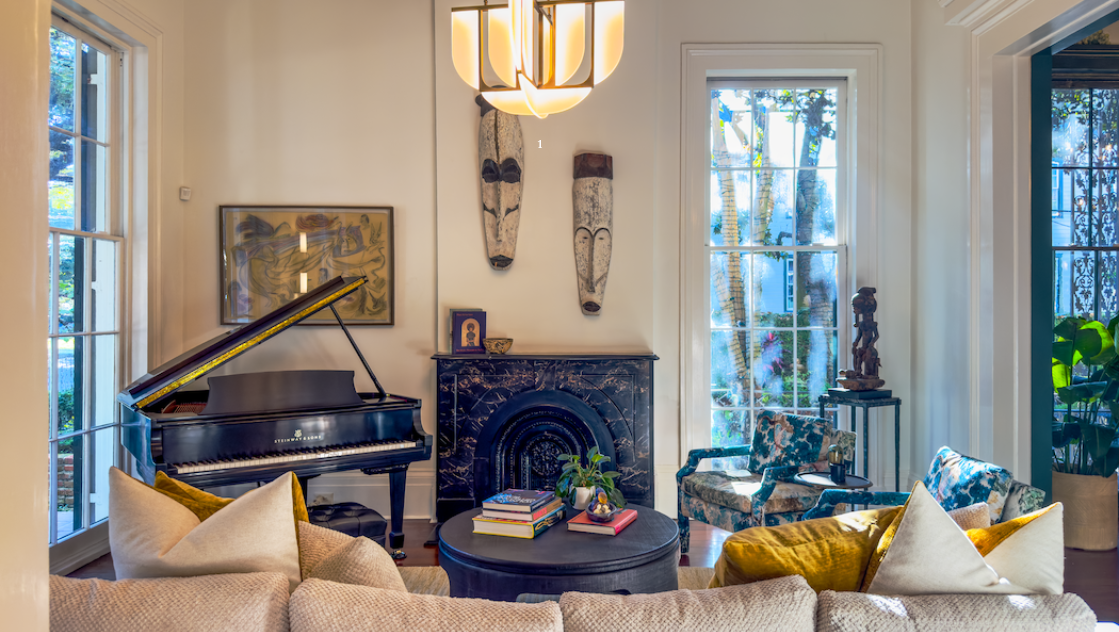
The current owners, who purchased the home in 2024, made only minor renovations to “make it comfortable for a family of five.” Among their favorite aspects are an existing Venetian chandelier and mural wallpaper in the dining room, the latter of which was suggested by designer Penny Francis of Eclectic Home. The outside is just as appealing.
“We love spending time in the garden. The children play, and my husband and son, a dynamo duo, love to tag-team grilling and cooking on the weekends,” the owner said.
The family also treasures their growing art collection, showcased throughout the house. A Steinway & Sons baby grand piano, which the children — and the owner, whose father is a musician — are learning to play is another important item.
Music also fills the house during Carnival, when it becomes a gathering place for family and friends. “It’s become a real tradition for us to share the magic of Mardi Gras with our friends from here and across the country,” the owner said.