


By Danny Monteverde and MaryNell Nolan-Wheatley
Voters will head to the polls Saturday, Oct. 11, to elect a new mayor and City Council members. A runoff election will be Saturday, Nov. 15.
To get an idea of where candidates stand on issues that directly affect the city’s historic neighborhoods, the Preservation Resource Center contacted all 38 candidates running for mayor and the council to ask about historic preservation, economic development, blight reduction and public safety, affordable housing and more.
Three of the seven City Council seats have an incumbent seeking reelection: At-Large Division 2, District C and District D. (District B Councilwoman Lesli Harris was re-elected without opposition.)
While the mayor sets an agenda for his or her administration and works with the council, it’s the district councilmembers who make important decisions about land use matters in the city’s neighborhoods. Still, both branches of government are vital, especially as the city prepares to pick a new mayor for the first time in eight years.
The following pages include verbatim answers to select questions from the 14 City Council candidates who responded by press time. Answers to select questions from Royce Duplessis, Helena Moreno and Oliver Thomas, the mayoral candidates who are leading in recent polls, are included as well.
All the candidates for the City Council were asked the same six questions:
- If elected to the City Council, how would you view your role in preserving historic buildings, neighborhoods, and the cultural identity of New Orleans?
- Neglected buildings present significant safety concerns and the collapse of several buildings has highlighted that recently. What are ways that the city can help to ensure people maintain their buildings before they become blighted and dangerous?
- What role can preservation play in addressing the affordable housing shortage in New Orleans?
- When decisions of the Vieux Carre Commission or the Historic District Landmarks Commission are appealed to the City Council, what would be your criteria when considering whether to overturn a VCC or HDLC decision?
- What do you see as the connection between preservation and the city’s economy?
- New Orleans continues to face significant threats from extreme weather. What are some things you would like to see the city do to act on climate directly?
Candidates for mayor were asked the same questions as above except for the fourth question since the mayor has no say in appeals of VCC or HDLC decisions.
Full, verbatim answers from every candidate who responded are below.
Mayoral Candidates
- “Manny Chevrolet” Bruno — No party
-
If elected mayor, how would you view your role in preserving historic buildings, neighborhoods, and the cultural identity of New Orleans?
I love this city and I will do everything in my power to preserve the Historic French Quarter to the Garden District and to the potholes that have been around for 100 years.
Neglected buildings present significant safety concerns and the collapse of several buildings has highlighted that recently. What are ways that the city can help to ensure people maintain their buildings or get them into the hands of a responsible owner before they become blighted and dangerous?
I will bring the Amish down to help bring the neglected properties up to code with the help of the owners. They can build a house without electricity so this should be a easy fix.
What role can preservation play in addressing the affordable housing shortage in New Orleans
We can stop preserving houses that are too old and build new houses that are affordable.
What do you see as the connection between preservation and the city’s economy?
I see a disconnect. Preservation is expensive, time consuming and a tax burden. Not everyone can own The Pontalba apartment.
New Orleans continues to face significant threats from extreme weather. What are some things you would like to see the city do to act on climate directly?
You can’t control the climate use more modern materials
- Eileen Carter — No party
-
If elected mayor, how would you view your role in preserving historic buildings, neighborhoods, and the cultural identity of New Orleans?
I first connected with the Preservation Resource Center in my 20s, tagging along with my sister who was active in the work. I remember wondering how anyone could want to erase such vital history. That early exposure stayed with me and is one reason I’m running for mayor. After eight years of leadership without deep local roots, we cannot afford eight more. Some say New Orleans is “the city that care forgot” — I plan to restore that care. Our historic buildings, neighborhoods, and culture aren’t just relics — they’re part of who we are. I will steward them with care, ensuring preservation is community-led and culturally rooted. That means supporting neighborhood protections, growing partnerships with the PRC, and investing in both our infrastructure and the city workforce that sustains it. New Orleans has been neglected, but she’s still standing — and I’m ready to deliver the leadership and love she deserves.
Neglected buildings present significant safety concerns and the collapse of several buildings has highlighted that recently. What are ways that the city can help to ensure people maintain their buildings or get them into the hands of a responsible owner before they become blighted and dangerous?
Neglected buildings are a major safety risk, and recent collapses have made that clear. In my first 90 days, I’ll deliver a full “State of the City” reset — including a focus on Code Enforcement. We must streamline enforcement, hold property owners accountable, and create clear, community-informed pathways to transfer abandoned properties to responsible hands. I want to partner with residents, preservationists, and developers to set that plan together. You won’t just have a voice — you’ll have a seat at the table. Together, we’ll protect our neighborhoods before blight becomes danger.
What role can preservation play in addressing the affordable housing shortage in New Orleans?
Preservation can play a key role in addressing New Orleans’ affordable housing crisis by restoring existing housing stock rather than letting it sit vacant or deteriorate. Many historic homes, doubles, and multi-family units can be brought back into commerce and made affordable with the right incentives, code flexibility, and public-private partnerships. Preservation doesn’t mean pricing people out —it can mean keeping people in. By working with organizations like the Preservation Resource Center and expanding programs that help low- and moderate-income homeowners repair and stay in their homes, we can protect both our culture and our communities. Preservation and affordability must go hand in hand.
What do you see as the connection between preservation and the city’s economy?
Preservation is a powerful economic engine for New Orleans. Restoring historic buildings supports local jobs — carpenters, masons, roofers, artists — and keeps money circulating in our communities. It fuels tourism, one of our largest industries, by maintaining the unique architecture and culture that draw people here. Preservation can also be a driver for a youth initiative, where young residents learn skilled trades and enter the workforce through hands-on training. By connecting preservation with workforce development, we can grow our local construction industry, keep talent in the city, and position New Orleans to lead the region in both cultural and economic revitalization.
New Orleans continues to face significant threats from extreme weather. What are some things you would like to see the city do to act on climate directly?
New Orleans must take bold, direct action to address climate challenges. I want to expand our glass recycling program — especially in the French Quarter, where glass use is high — building on innovative efforts like Glass Half Full to make our city a world leader in sustainable glass reuse. Strengthening regional and federal partnerships will help us secure the resources we need for resilience. We also need a comprehensive tree-repopulation plan to combat heat and flooding, upgraded emergency alert systems, and a robust outreach campaign to educate residents about climate risks. Sadly, we prepare better for Mardi Gras than for hurricane season — and that has to change.
- Royce Duplessis — D
-
If elected mayor, how would you view your role in preserving historic buildings, neighborhoods, and the cultural identity of New Orleans?
New Orleans would not be New Orleans without our historic buildings. They draw visitors who come for our food, music, culture, and our architecture. Protecting these buildings isn’t just about heritage; it’s essential to our economy and housing future. We must bring vacant properties back into commerce and help families stay in their historic homes. Our Opportunity Agenda highlights programs like the PRC’s Revival Grants, which support generational homeowners. We need to build on this model as a way to support our senior citizens and working-class neighbors. We’ll also confront the insurance crisis by promoting fortified roofs, water retention infrastructure, and other resilience measures that protect homes while preserving their character. And we will enforce short-term rental rules so that our neighborhoods remain for the people who live and work here.
Neglected buildings present significant safety concerns and the collapse of several buildings has highlighted that recently. What are ways that the city can help to ensure people maintain their buildings or get them into the hands of a responsible owner before they become blighted and dangerous?
It’s unfair and dangerous to let residential and commercial buildings fall into disrepair. When we lose a historic building, we lose part of our identity. Blighted or neglected properties also threaten health and drag down our economy. We’ll use both incentives and penalties to tackle this issue. We should build upon programs like Revival Grants to help historic homeowners, and continue to support state and federal historic tax credits that encourage responsible renovation. At the same time, we’ll give code enforcement the tools and resources to address blight aggressively and ensure historic commission rules and decisions are applied fairly and consistently.
What role can preservation play in addressing the affordable housing shortage in New Orleans?
The fastest way to grow our housing stock is to bring vacant units back into commerce. New Orleans faces one of the nation’s highest shares of vacant dwellings alongside a severe shortage of affordable housing. Our administration will aggressively tackle high insurance costs, spur economic growth, and direct resources to restore these properties. We’ll provide incentives for landlords, support repairs through grants and low-cost loans, and enforce short-term rental rules. New construction alone is too costly and slow to solve our housing issues. Preserving and reactivating historic properties must be part of the solution.
What do you see as the connection between preservation and the city’s economy?
The New Orleans economy is inseparable from preservation. It’s about more than saving buildings; it’s about protecting the culture that makes us who we are. Our people, music, food, and traditions grow organically from neighborhoods defined by their homes, businesses, and historic architecture. These buildings aren’t just backdrops; they’re where families live, work, worship, and gather. Preservation attracts visitors, but more importantly, it sustains the communities that make New Orleans unique. We can’t talk about affordable housing, transportation, or supporting culture bearers without ensuring the places our people have called home for generations are preserved for them.
New Orleans continues to face significant threats from extreme weather. What are some things you would like to see the city do to act on climate directly?
Too many leaders in Washington and Baton Rouge ignore the reality of climate change, but in New Orleans, it’s about survival, not politics. Our residents feel it every day through skyrocketing insurance rates, flooded cars, and hurricanes that threaten lives and homes. Katrina showed us what happens when the government fails to protect us from natural disasters. Yet too many leaders are failing to act on the climate crisis, and we remain vulnerable to subsidence, flooding, wetland loss, and extreme heat. I worry about the city my daughter will inherit. Local leaders must push state and federal partners to act, but we can’t wait. My Opportunity Agenda invests in fortified roofs, expands green infrastructure to manage water, and grows renewable energy.
Additional comments:
As a state lawmaker, I fought to protect the state historic tax credit when it was under attack and helped strengthen incentives for fortified roofs. As mayor, I will build on that record by investing in programs that help residents maintain and preserve their homes.
I will work closely with the preservation community, respect the expertise of the HDLCs and VCC, and ensure that building codes and zoning laws are enforced fairly and equitably. At the same time, we must make our city less vulnerable to natural disasters by strengthening resilience in our housing stock.
Protecting our historic character while safeguarding our future will be a core priority of my administration.
- Helena Moreno — D
-
If elected mayor, how would you view your role in preserving historic buildings, neighborhoods, and the cultural identity of New Orleans?
I have long supported historic preservation, whether it was through my work with Councilmembers Harris and King to catalyze the restoration of Canal Street, the city’s most storied commercial corridor. Or through my restoration tax abatements overhaul, which helped secure the program and ensure it is used appropriately to preserve property and promote equity.
I was the one who helped lead the legislation to secure $24 million to restore the historic Lincoln Beach. I led the effort to preserve Municipal Auditorium, dedicating tens of millions of dollars for roof repairs and remediation, while pushing back hard against the administration’s misguided efforts to convert the auditorium into city hall.
As mayor, I will dedicate further attention to Armstrong Park in partnership with the entire Treme community to preserve this sacred ground, while opening it up as a true family destination for the neighborhood, thereby returning it to its historic use as a gathering place.
I also led the effort to establish the zoning district around the Fairgrounds. Thereby protecting this New Orleans landmark from the 1830s.
At the end of the day, the main reasons people want to live and visit here are due to our beautiful, historic buildings and deep culture. Historic buildings and homes, especially, are a massive asset for the city, and the mayor must protect them, not out of some asinine interest in obscure architecture, but as an economic necessity.
Neglected buildings present significant safety concerns and the collapse of several buildings has highlighted that recently. What are ways that the city can help to ensure people maintain their buildings or get them into the hands of a responsible owner before they become blighted and dangerous?
We cannot forget the deadly and disastrous collapse of the Hard Rock. We never reckoned with what happened, nor have we made much progress, as shown by various other building collapses or demolitions-by-neglect that have occurred throughout the city.
I will prioritize addressing the fundamental failures of the oversight functions of Safety & Permits and Code Enforcement to prevent further building collapses. We are faced with a simple choice: pay a small amount now for more inspectors, better technology, and oversight, or pay 100x that amount when a building collapses.
I will also ensure that our efforts to fight the blight don’t inadvertently destroy our greatest asset, our heritage. Remembering that our historic homes are a key reason why people want to live here. We’ve worked hard to provide avenues to hold property owners accountable, even criminally, to ensure blight gets fixed. This is an especially important tool to confront owners of big blight. Yet, there is a lot of grey area, and a balance must be struck because no one should have to live next to a dangerous, blighted property, even if it is an old one. Some may recall the community accountability effort known as BlightStat. I will restart that work, making sure that historic preservation is a key consideration.
What role can preservation play in addressing the affordable housing shortage in New Orleans?
It must play a major role. We need to build more affordable housing, which is why I supported, and the voters approved millions in city funds being dedicated to the Housing Trust Fund. This can be a game-changer if leveraged correctly through a united citywide effort working through a new consolidated Economic Development Corporation I would form, which can own, lease, and develop large-scale affordable housing using existing public property. At the same time, a Community Land Trust model can consolidate vacant or dilapidated properties into a single entity. Then, it turns around to offer grants to first-time homebuyers, with a particular focus on those engaged in service (e.g., teachers, nurses, first responders).
Some of this will be new construction, but due to the significant environmental remediation and other considerations, it may be more expensive and is often of lower quality. The fact is, much of our current housing is historic, so any plan must include fixing up these homes that have fallen into disrepair.
What do you see as the connection between preservation and the city’s economy?
There is a very significant connection. Historic buildings and homes are what set us apart. It is a vital driver of our real estate market and an essential contributor to New Orleans’ economic prosperity. The magnificent historic homes we sometimes take for granted are our greatest asset, and our historic neighborhoods are our greatest joy.
New Orleans continues to face significant threats from extreme weather. What are some things you would like to see the city do to act on climate directly?
We need to implement a rapid transition toward clean and renewable energy, away from fossil fuels. New Orleans must be a leader in greenhouse gas reductions because there is no other place in the world more vulnerable to the climate crisis.
We need to set an example. That means increased energy efficiency in city buildings, lower-emission vehicles for the city fleet, and higher standards for Entergy – all laws I wrote as a Councilmember and policies I’ll implement as mayor. Overall, emphasizing historic preservation is also a good method to reduce greenhouse gas emissions associated with the production of new construction materials.
We also need to ensure that our drainage and flood mitigation plans are up to date and that the relevant laws are followed. New Construction MUST be thoughtful about water management, and we need all city infrastructure to be responsive to water and URBAN HEAT mitigation measures from the start.
- Oliver Thomas — D
-
If elected mayor, how would you view your role in preserving historic buildings, neighborhoods, and the cultural identity of New Orleans?
New Orleans is a city of culture, creativity, and connection. Preserving our historic buildings, neighborhoods, and cultural identity means protecting the very soul of our city. These places are more than landmarks—they’re where neighbors gather, where music fills the air, and where our shared stories live on.
As Mayor, I’ll continue to be present in these spaces: neighborhood meetings, churches, historical sites, playgrounds, and community centers. Everyone should have a seat at the table—culture-bearers, small business owners, and neighborhood institutions alike. Together, we won’t just sit at the table; we’ll build it from the ground up. That’s how we honor our history while creating a city that truly works for everyone.
Neglected buildings present significant safety concerns and the collapse of several buildings has highlighted that recently. What are ways that the city can help to ensure people maintain their buildings or get them into the hands of a responsible owner before they become blighted and dangerous?
Neglected buildings aren’t just eyesores—they endanger our community. When a building collapses, it erodes safety and trust. Too often, inaction turns small issues into tragedy. As Mayor, I won’t wait for harm before acting. My plan is rooted in accountability, transparency, and partnership. We’ll strengthen the rental registry with proactive inspections, license suspensions for unsafe landlords, and protections so tenants can speak up. Complaints won’t sit in limbo—we’ll set timelines and create a public tracker so neighbors see progress. Chronic offenders, especially corporate landlords, will face suits, fines, liens, or foreclosure. But we’ll also support small landlords with repair loans and grants tied to affordability. Abandoned properties will be moved quickly into responsible hands, using NORA and partners to create safe housing. This is about more than buildings—it’s about revitalizing neighborhoods and protecting people with stronger enforcement, transparency, and opportunity.
What role can preservation play in addressing the affordable housing shortage in New Orleans?
Affordable housing shouldn’t be a dream—it’s a promise this city must keep. Too many essential workers can’t afford to live where they serve, and that’s unsustainable. As Mayor, I’ll build and preserve 10,000 units in eight years by combining new construction with restoring historic public buildings. We’ll use public land, partner with NORA to land-bank blight, and transfer sites to trusted builders and nonprofits. I’ll bring back soft-second mortgages to help families buy homes and stay rooted. With $17M annually from the Housing Trust Fund starting in 2026, we’ll preserve rentals, build new units, and expand ownership—managed transparently with community oversight. For abandoned and corporate-owned properties, I’ll push to shorten legal timelines so the city can act faster. Vacant buildings will be repurposed for entrepreneurs, and residents will gain easier paths to rehab homes—building family wealth while revitalizing blocks. Housing is about culture, stability, and keeping New Orleanians home.
What do you see as the connection between preservation and the city’s economy?
Preservation isn’t just about saving old buildings—it’s an economic engine for New Orleans. The connection between preservation and our economy is direct:
- Drives tourism by protecting the very spaces visitors come to experience.
- Creates good-paying, local jobs and keeps dollars circulating in our communities.
- Strengthens neighborhoods, boosting property values and preventing blight.
- Keeps our culture intact, ensuring that growth doesn’t come at the expense of identity.
Restored homes raise property values, attract new residents, and strengthen the tax base without pushing out the culture that makes neighborhoods special. By encouraging adaptive reuse of historic buildings, we can often build more affordably and sustainably than with new construction, all while keeping local tradespeople employed.
When we protect our past, we also secure our future—building an economy rooted in the people, culture, and neighborhoods that make New Orleans unlike any other city in the world.
New Orleans continues to face significant threats from extreme weather. What are some things you would like to see the city do to act on climate directly?
Climate change is here—felt in every sweltering afternoon, flooded street, and powerful storm. Meeting this reality requires bold action to protect our people, neighborhoods, and future. I’ll launch a citywide climate resilience and emissions-reduction strategy rooted in justice, equity, and community participation.
Preservation will anchor this work. We’ll restore historic homes and convert vacant buildings into affordable housing, keeping families rooted while cutting costs and waste. Older buildings will be retrofitted with storm-resistant windows, rooftop solar, and efficient systems—lowering bills, keeping residents safe, and creating green jobs in preservation, solar, and sustainable construction. Adaptive reuse will transform abandoned schools, warehouses, and commercial sites into resilience hubs that provide power, shelter, and resources during crises. I’ve already advanced this through Get Lit, Stay Lit & Community Lighthouse, which turned restaurants, churches, and community centers into solar-powered lifelines.
We’ll also reinvent water management, guided by the Urban Water Plan. Green infrastructure—rain gardens, bioswales, permeable streets, and living shorelines—will protect vulnerable neighborhoods. Projects like Mirabeau Water Garden and Claiborne Stormwater Park prove we can live with water, not against it.
Beyond preservation, we’ll modernize energy and transit—expanding rooftop solar, EV chargers, and hybrid/electric buses, while building shaded sidewalks, safe bike lanes, and walkable streets. Every solar panel, stormwater park, and restored home creates jobs and keeps wealth in our communities. By pairing preservation, housing, and resilience, we’ll protect New Orleans’ soul, grow our economy, and lead the nation toward a safe, sustainable, and just future.
- Richard Twiggs Jr. — No party
-
If elected mayor, how would you view your role in preserving historic buildings, neighborhoods, and the cultural identity of New Orleans?
As mayor, I would treat preservation as both a cultural duty and an economic strategy. My platform is called: The Prosperity and Cultural Preservation Plan. New Orleans’ history and architecture are not relics, but living foundations of our identity, tourism, and community pride. My role would be to protect historic neighborhoods from unchecked development, expand preservation funding, and enforce accountability for negligent property owners.
At the same time, we must empower residents, especially long-time families priced out of their communities. to remain stewards of these neighborhoods. Preservation must go hand in hand with affordable housing, infrastructure investment, and cultural support, ensuring our heritage remains alive, accessible, and led by the people who built it.
Neglected buildings present significant safety concerns and the collapse of several buildings has highlighted that recently. What are ways that the city can help to ensure people maintain their buildings or get them into the hands of a responsible owner before they become blighted and dangerous?
The city must move from reactive demolition to proactive stewardship. First, we need strict but fair enforcement that compels absentee owners to repair or sell neglected properties before they reach collapse. Second, we can expand land banking programs to transfer abandoned properties into community trusts, nonprofits, or responsible buyers committed to restoration. Third, require every residential apartment and multifamily landlord to post a maintenance bond. If they fail to keep their property safe, the city can claim the bond to make repairs or, if noncompliance continues, take possession of the building to protect tenants and the community. Alongside this, we must offer grants, low-interest loans, and tax incentives for families to maintain their homes. Finally, transparency is key: create a public dashboard that tracks neglected buildings, timelines for compliance, and ownership status so residents can hold both the city and property owners accountable.
What role can preservation play in addressing the affordable housing shortage in New Orleans?
Preservation can be a powerful tool for addressing the housing crisis. Thousands of vacant and blighted historic properties sit idle while families struggle to find affordable homes. By restoring these buildings through tax incentives, maintenance bonds, and partnerships with land trusts we can convert them into safe, affordable housing rather than letting them decay. Rehabilitation is often cheaper and faster than new construction, and it strengthens neighborhoods by keeping cultural identity intact. Preservation also prevents displacement: when we reinvest in existing housing stock, long-time residents can remain in their communities. Done right, preservation means affordable housing rooted in history, not erasure.
What do you see as the connection between preservation and the city’s economy
Preservation is one of the strongest economic engines New Orleans has. Our historic architecture, music halls, and cultural neighborhoods are the backbone of tourism, which drives billions in revenue. But preservation isn’t just about visitors it fuels local jobs in construction, restoration, and skilled trades while stabilizing property values and attracting investment.
Revitalizing symbols like Charity Hospital, Lindy Boggs, and our neighborhood schools turns abandoned landmarks back into anchors of community life, while keeping their history alive. Instead of letting them decay, we can restore them into housing, healthcare, and education hubs that serve residents today.
By protecting our neighborhoods’ culture and symbols, we preserve the identity that makes people want to live, work, and build businesses here. Preservation is not nostalgia it’s economic common sense and a pathway to renewal.
New Orleans continues to face significant threats from extreme weather. What are some things you would like to see the city do to act on climate directly?
New Orleans cannot afford to treat climate as a distant issue; it’s our daily reality. First, we must harden infrastructure: elevate roads, upgrade drainage, and fortify levees while using green infrastructure like rain gardens, permeable pavement, and wetlands restoration to absorb floodwaters. Second, we should transition to clean energy by taking over Entergy New Orleans, investing in hydropower, microgrids, and battery banks so neighborhoods stay online during storms. Third, merge S&WB with Public Works and create scholarship programs to get our community labor ready to fix the streets, pumps, etc. Finally, establish a real-time climate and storm readiness network to ensure residents have accurate, localized information to prepare and evacuate. Climate action is survival for New Orleans.
No response: Joseph “Joe” Bikulege Jr., Russell J. Butler, Renada Collins, Frank Robert Janusa, Frank M. Scurlock
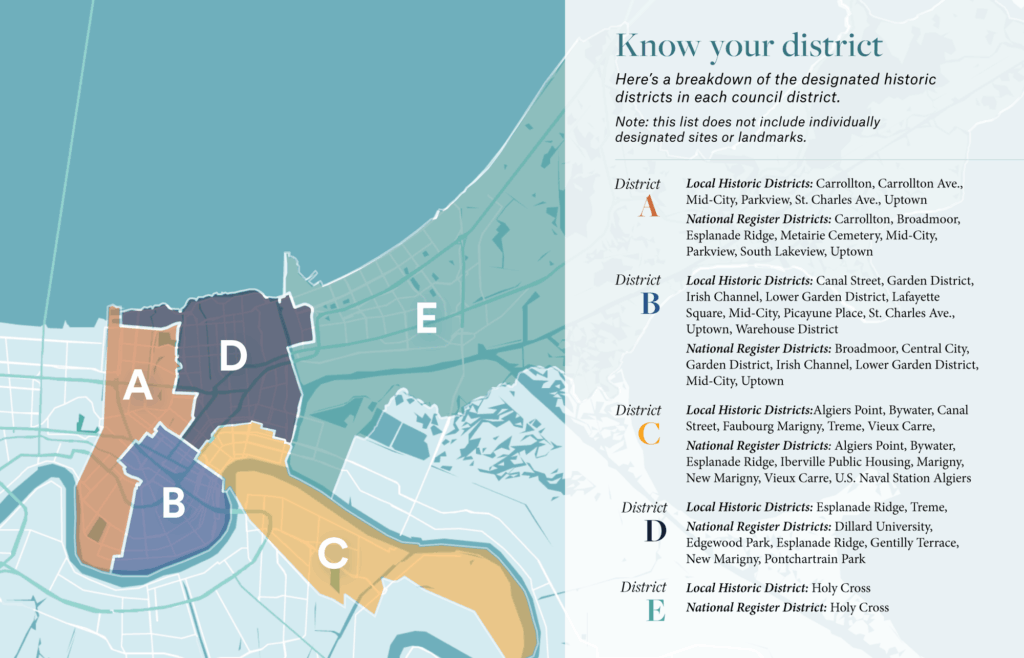
Not sure of your City Council district? Click here to find it.
City Council At-Large Candidates (Division 1 & Division 2)
- Division 1: Matthew “Matt” Hill — R
-
If elected to the City Council, how would you view your role in preserving historic buildings, neighborhoods, and the cultural identity of New Orleans?
If elected to the City Council, I will serve as both a steward of New Orleans’ history and a builder of its future. Our historic buildings, neighborhoods, and cultural identity are not relics — they are the backbone of our economy and the soul of our city. Preserving them means more than nostalgia; it’s about protecting the very assets that make New Orleans unique. I will hold developers accountable, strengthen incentives for restoration, and ensure zoning respects neighborhood character instead of encouraging generic development. But culture is more than bricks and mortar — it lives in our music, second lines, food, and the people who create them. Protecting culture means keeping New Orleans affordable so artists, musicians, and working families can stay here. My role will be to make sure preservation and progress go hand in hand, because we cannot build a stronger future if we erase the very things that make New Orleans worth fighting for.
Neglected buildings present significant safety concerns and the collapse of several buildings has highlighted that recently. What are ways that the city can help to ensure people maintain their buildings or get them into the hands of a responsible owner before they become blighted and dangerous?
Neglected buildings are more than eyesores — they are safety hazards that put neighbors at risk. The city must act earlier and more aggressively. First, we need proactive inspections and real enforcement of code violations, not years of delays. Second, provide incentives and support for small property owners to make repairs, so they aren’t forced to walk away. Third, expand land banking and fast-track the transfer of long-abandoned or tax-delinquent properties into the hands of responsible owners, nonprofits, or developers committed to restoration. Finally, prioritize partnerships with neighborhood groups so communities have a voice in how blighted properties are repurposed. If we treat neglect as both a safety issue and an opportunity, we can prevent collapses, preserve our historic fabric, and create housing that strengthens neighborhoods instead of endangering them.
What role can preservation play in addressing the affordable housing shortage in New Orleans?
Preservation can help tackle New Orleans’ affordable housing shortage by turning neglected buildings into livable homes. Restoring historic properties is often quicker and more sustainable than new construction, and it keeps neighborhood character intact. The city should expand incentives, tax credits, and low-interest loans so small owners can rehab properties, while also moving blighted buildings into the hands of responsible owners. By pairing preservation with affordability requirements and innovative programs like Earned Equity Housing, we can give renters the chance to build wealth while staying in their communities. Preservation isn’t just about saving architecture — it’s about protecting people, stabilizing neighborhoods, and creating pathways to affordable, long-term housing in the city we love.
When decisions of the Vieux Carre Commission or the Historic District Landmarks Commission are appealed to the City Council, what would be your criteria when considering whether to overturn a VCC or HDLC decision?
When appeals from the VCC or HDLC come before the City Council, my criteria would balance respect for their expertise with accountability to the public. These commissions exist to protect our historic architecture and cultural identity, and their decisions should not be overturned lightly. I would only consider reversal if there is clear evidence of inconsistency, bias, or failure to apply established standards. At the same time, I would weigh broader community impact — including safety, affordability, and neighborhood integrity — to ensure decisions serve both preservation and the people who live here. My role is not to substitute politics for preservation, but to make sure the process is fair, transparent, and aligned with the long-term interests of New Orleans.
What do you see as the connection between preservation and the city’s economy?
Preservation and the economy in New Orleans are inseparable. Our historic neighborhoods, architecture, and culture are the very foundation of our tourism industry, which drives billions into the city each year. But preservation is more than tourism — it creates jobs in construction, restoration, and skilled trades while keeping dollars circulating locally. Restoring historic buildings can also expand affordable housing and support small businesses, especially when paired with programs like Earned Equity Housing. By protecting our unique character, we not only honor our past but also secure long-term economic growth. A city that loses its history loses its competitive advantage — preservation is both cultural stewardship and smart economic policy.
New Orleans continues to face significant threats from extreme weather. What are some things you would like to see the city do to act on climate directly?
New Orleans must take bold, direct action on climate. I want to see us invest in porous roads with catch basins so water is absorbed and managed before it floods our streets. We should expand green infrastructure — permeable pavement, rain gardens, and urban tree planting — to reduce runoff and heat. At the same time, we need to modernize pumps and drainage systems, harden the power grid to withstand storms, and hold contractors accountable for resilient construction. Climate resilience isn’t optional in New Orleans — it’s survival. Every dollar we put into smarter infrastructure now saves us from devastating losses later. By combining innovation with accountability, we can control water, protect neighborhoods, and lead the Gulf South in climate solutions.
- Division 1: Matthew Willard — D
-
If elected to the City Council, how would you view your role in preserving historic buildings, neighborhoods, and the cultural identity of New Orleans?
Our neighborhoods are what make New Orleans unique. I was born and raised in Gentilly. I still live in Gentilly. My neighborhood is part of my story and has powerfully contributed to who I am today. But we’re at risk of losing all of that if we don’t change our priorities and start doing things the right way. People are leaving our city—about 5,000 a year—and part of reversing that trend is ensuring our neighborhoods remain vibrant, safe, and livable. That means addressing blight, redeveloping existing housing before building new, and making sure our streets, drainage, and city services function like they should. Preservation is tied directly to that work, because maintaining the fabric of our historic neighborhoods also protects our culture and strengthens our identity as a city.
Neglected buildings present significant safety concerns and the collapse of several buildings has highlighted that recently. What are ways that the city can help to ensure people maintain their buildings or get them into the hands of a responsible owner before they become blighted and dangerous?
Blight abatement is one of the core responsibilities our city government has failed to manage successfully. If we are going to grow out of our problems, we have to grow into a new drive to improve, and it really has to start with getting the basics done right. Code enforcement and Safety and Permits need to both be fully staffed, better trained, more accountable, and, simply put, do a better job.
Additionally, the City needs to step up and be willing to use every tool in their tool box up to and including adjudication and sheriff’s sales. Preferably, more robust operations from code enforcement paired with ongoing tax savings benefits offered through the RTA program should incentivize redevelopment of existing blighted housing in a right-sized, historically appropriate way. But ultimately, City Hall must make sure that neglected properties don’t become long-term hazards for our neighborhoods.
What role can preservation play in addressing the affordable housing shortage in New Orleans?
Well, to put it in the simplest of economic terms, if by maintaining and preserving our historical houses and residential structures we are able to increase our housing supply and demand stays static, the price of housing should decrease.
The purpose of the Housing Trust Fund is to make housing in New Orleans more affordable and I strongly believe that should apply to blight and historical preservation where there is a demonstrated and cost effective public benefit.
When decisions of the Vieux Carre Commission or the Historic District Landmarks Commission are appealed to the City Council, what would be your criteria when considering whether to overturn a VCC or HDLC decision?
My default position on this as it is with most matters is to trust the experts, so the appellant is going to have to make a hell of a case for me to go against the VCC or HDLC.
In this City, it seems like there’s always a tension between neighborhoods/historic preservation and modernization/commercialization. I love my Gentilly neighborhood. As Joni Mitchell famously said, “You don’t know what you got till it’s gone.” We can’t recreate our City’s architectural history once it’s torn down. We have to do what we can to keep what’s left of our City’s character.
What do you see as the connection between preservation and the city’s economy?
Well, per the answer above, there couldn’t be tension between the two if they weren’t connected!
Look at the French Quarter – I firmly believe that if we simply let bar owners and developers run amok, do whatever they want, violate noise and permitting restrictions, the residential charm and historical character of the Quarter would vanish and it would ultimately cease to be a destination for tourists.
It’s the preservation of the Quarter AS AN HISTORIC that makes it a destination and a boon for our economy. However, the Quarter has become a smaller and smaller neighborhood. I am interested in reversing that trend and seeing it regain its population, especially with artists and craftsmen and women.
New Orleans continues to face significant threats from extreme weather. What are some things you would like to see the city do to act on climate directly?
Our city has become too accustomed to things not working the way they should—flooded streets, busted streetlights, rising utility bills, and trash piling up. My focus will be on building a city that works for everyone, and that means prioritizing sustainability and resilience. We need to spend the federal dollars already on the table before they’re clawed back, and fight to ensure that FEMA, HUD, and other funding sources remain available.
We must also take practical steps, like making homes more energy-efficient, improving drainage and water management, and supporting programs that harden our power grid and infrastructure. Sustainability is not just an environmental issue—it’s about affordability, public health, and keeping New Orleans livable for future generations.
Additional comments:
Preservation is a vital component of New Orleans. It is linked to our history, as well as our walkability as a city, and our interest to tourists. However, if our neighborhoods were thriving, we would not have people leaving or investors ignoring New Orleans. You are an important part of making New Orleans work again, and I promise to work with you to bring back our city, block by block, in a manner that respects our properties and our people.
- Division 2: Kenneth Cutno — D
-
If elected to the City Council, how would you view your role in preserving historic buildings, neighborhoods, and the cultural identity of New Orleans?
As your City Council, I see preservation as a sacred duty to protect the soul of New Orleans. Our historic buildings and neighborhoods are living testaments to resilience, artistry, and cultural legacy—from the Creole cottages of Tremé to the shotgun homes of the 7th Ward. I will strengthen enforcement against neglect and blight, support restoration with grants, tax incentives, and technical help for low‑income homeowners and small businesses, and champion equitable, community‑led preservation that centers residents and cultural bearers. I will respect our heritage commissions while ensuring fairness and transparency in appeals. Preservation is not just about the past—it’s about building a future rooted in pride, equity, and authenticity, ensuring New Orleans remains New Orleans for generations to come.
Neglected buildings present significant safety concerns and the collapse of several buildings has highlighted that recently. What are ways that the city can help to ensure people maintain their buildings or get them into the hands of a responsible owner before they become blighted and dangerous?
The city must take a proactive, compassionate approach to prevent buildings from becoming hazards. As Councilmember, I’ll champion a multi‑pronged strategy to keep properties safe and vibrant: strengthen code enforcement with targeted inspections, clear violation tracking, and meaningful fines for chronic neglect; create a public registry of vacant/at‑risk properties for transparency; expand repair loans, grants, and tax abatements for seniors and low‑income owners; partner with CDCs, nonprofits, and neighborhood groups for technical support and façade upgrades; streamline transfers of abandoned buildings to vetted, preservation‑minded developers; and launch outreach on owner responsibilities, resources, and reporting. This balanced approach will prevent blight, protect residents, and preserve our city’s heritage.
What role can preservation play in addressing the affordable housing shortage in New Orleans?
Preservation can be a driver of affordable housing by restoring New Orleans’ historic housing stock—shotguns, doubles, and small apartment buildings, many built for working families. Rehabilitation and adaptive reuse of vacant or underused historic homes, schools, while retaining neighborhood character. I support pairing restoration incentives, grants, low‑interest loans, and tax credits, with affordability covenants to prevent displacement. Streamlined permitting, partnerships with nonprofits, and prioritizing local residents will ensure preservation strengthens cultural identity while expanding housing options that everyday New Orleanians can afford.
When decisions of the Vieux Carre Commission or the Historic District Landmarks Commission are appealed to the City Council, what would be your criteria when considering whether to overturn a VCC or HDLC decision?
When considering an appeal of a VCC or HDLC decision, I would begin by respecting the expertise and mission of these commissions to safeguard our historic and cultural assets. I would review the full record, including staff reports, public testimony, and applicable guidelines, to ensure the decision was consistent, transparent, and grounded in preservation standards. My criteria would include: whether due process was followed; whether the decision aligns with adopted design guidelines and the public interest; whether there is clear evidence of error, bias, or disproportionate impact; and whether reasonable accommodations can be made without undermining historic integrity. Any overturning must balance preservation with fairness, equity, and the long‑term cultural and economic vitality of New Orleans.
What do you see as the connection between preservation and the city’s economy?
Preservation is a cornerstone of New Orleans’ economy. Our historic architecture and cultural landscapes are the foundation of a tourism industry that supports thousands of local jobs and small businesses. Restoring and reusing historic buildings stimulates the local economy through skilled trades, materials sourcing, and neighborhood revitalization. Preservation attracts investment, increases property values, and strengthens commercial corridors, while maintaining the authenticity that sets New Orleans apart in a competitive global market. By pairing preservation with equitable development, we ensure that economic benefits flow to local residents, artisans, and entrepreneurs. Protecting our historic fabric is not just about honoring the past—it’s an economic development strategy that fuels sustainable growth, fosters community pride, and keeps New Orleans’ unique identity at the heart of its prosperity.
New Orleans continues to face significant threats from extreme weather. What are some things you would like to see the city do to act on climate directly?
New Orleans must lead on climate action to protect lives, property, and our future. I support investing in resilient infrastructure—stormwater management, green spaces, and stronger levees—to reduce flooding. We should expand renewable energy use, incentivize solar and energy‑efficient retrofits, and modernize building codes for climate resilience. The city must restore and protect wetlands as natural storm buffers, strengthen tree canopy coverage, and improve drainage maintenance. I would champion equitable climate policies that prioritize vulnerable neighborhoods, ensuring resources for preparedness, recovery, and adaptation. Acting now safeguards our people, preserves our culture, and strengthens our economy against the growing threat of extreme weather.
- Division 2: J.P. Morrell — D (Incumbent)
-
If elected to the City Council, how would you view your role in preserving historic buildings, neighborhoods, and the cultural identity of New Orleans?
There are multiple avenues available to a city councilmember to preserve historical and cultural dignity throughout the city. I see my role in preservation, as a Councilmember At-Large in particular, is to assess the city as a whole and address policy matters from a citywide perspective. During my tenure on the Council, I have authored numerous pieces of legislation to preserve our neighborhoods and buildings, including but not limited to: changing the definition of blight, creating platform accountability for the short-term rental industry, and introducing the Healthy Homes Ordinance to protect both renters and property standards.
Neglected buildings present significant safety concerns and the collapse of several buildings has highlighted that recently. What are ways that the city can help to ensure people maintain their buildings or get them into the hands of a responsible owner before they become blighted and dangerous?
Deferred maintenance is a significant contributor to blight. Oftentimes, property owners ignore or put off necessary home repairs because they simply lack the money needed to perform necessary repairs. One way the City can help property owners is by tasking the Department of Code Enforcement with developing, maintaining, and disseminating a list of resources for property owners.
For instance, the City already partners with non-profits to provide free recycled paint to residents. Publicizing this resource will help address the common maintenance issue of peeling paint.
There are also programs and organizations that help with home repairs for qualifying Orleans Parish property owners. Currently, there is not a central hub that maintains a list of the programs and requirements.
By compiling and maintaining lists of rehab and repair resources, the City can help property owners invest in maintenance. The list of resources could also be included with all violation notices sent by Code Enforcement. Equity and fairness require that Code Enforcement look beyond fines to address blight; It’s we need to give property owners in need the resources to address the deferred maintenance.
What role can preservation play in addressing the affordable housing shortage in New Orleans?
The reuse and adaptation of existing buildings is a win-win. Reusing historic buildings like schools, offices, medical facilities, and even sacred places for housing conversion not only puts more housing units on the market, but it also ensures the continued maintenance and use of historic architecture. Reusing existing buildings requires lower financing costs, less material usage, and shorter time frames for construction. The Jackson, at the site of the former Sara Mayo hospital, is an excellent example of the reuse of a historic structure for housing. Preserving our structures requires that we find a modern use of the building; we can’t expect property owners to rehab structures just to let them sit vacant.
When decisions of the Vieux Carre Commission or the Historic District Landmarks Commission are appealed to the City Council, what would be your criteria when considering whether to overturn a VCC or HDLC decision?
First and foremost, life safety issues should always be a paramount concern. If a modification is necessary to ensure safety, that modification should be considered.
The reason for the appeal is an important consideration. For instance, in 2023, the Council overturned an HDLC decision to allow a school teacher to place solar panels on her home. Solar panels provided a significant reduction in utility costs and ultimately, savings that the teacher would be able to put back into the historic home for maintenance and repairs of the structure. In this case, allowing a small modification of solar panels ensured the continued affordability of a historic home.
What do you see as the connection between preservation and the city’s economy?
New Orleans’ economy is almost completely centered around the tourism industry, which stems from the rich traditions and history of our city. Further, the hub of that tourism industry is located in the French Quarter, one of the oldest neighborhoods in the country. Preserving historical legacy in the city means ensuring a steady economy across the city.
New Orleans continues to face significant threats from extreme weather. What are some things you would like to see the city do to act on climate directly?
Southern Louisiana has been on the front line of climate change for years, and it’s not slowing down. This Council has taken concrete steps to immediately address sustainability concerns, such as securing $17M in funding for the future SWBNO substation. For long-term climate mitigation, we need to have an honest conversation about drainage so that we can continue to live in our city.N
No response: Delisha Boyd, Gregory Manning
City Council District A
- Holly Friedman — D
-
If elected to the City Council, how would you view your role in preserving historic buildings, neighborhoods, and the cultural identity of New Orleans?
I see preservation as a core responsibility of the Council. Our historic neighborhoods and architecture are the backbone of New Orleans’ identity and economy. In my four years as Constituent Services Director for Councilmember Joe Giarrusso, I worked daily with residents to resolve issues in historic districts, balancing growth with respect for history. As Councilmember, I will make sure preservation is accessible, practical, and transparent. I will help property owners while protecting the culture that defines our city.
Neglected buildings present significant safety concerns and the collapse of several buildings has highlighted that recently. What are ways that the city can help to ensure people maintain their buildings or get them into the hands of a responsible owner before they become blighted and dangerous?
The City must be proactive in addressing dangerous and neglected properties before they collapse or spread blight. At the District Attorney’s Office, I helped implement the criminal blight statute, which holds negligent property owners accountable when their inaction endangers public safety. As Councilmember, I will build on that experience by streamlining code enforcement, enforcing stronger timelines for remediation, and expanding partnerships to bring properties back into commerce. This combination of enforcement and support will reduce hazards, improve safety, and strengthen neighborhoods.
What role can preservation play in addressing the affordable housing shortage in New Orleans?
Preservation and affordability can go hand-in-hand. Restoring older homes creates opportunities for affordable rentals and ownership while maintaining neighborhood character. In my work with residents on housing and quality-of-life issues, I’ve seen how rehabilitation prevents displacement and stabilizes communities. The City can expand incentives for preservation (tax credits, grants, and partnerships with community land trusts) so that preservation strengthens affordability, reduces blight, and keeps families rooted in New Orleans.
When decisions of the Vieux Carre Commission or the Historic District Landmarks Commission are appealed to the City Council, what would be your criteria when considering whether to overturn a VCC or HDLC decision?
My criteria would be fairness, consistency, and respect for the integrity of historic districts. Having worked in city government, I know residents need confidence that decisions are transparent and equitable. I would only consider overturning preservation commission rulings when there is clear evidence of procedural error, inequitable treatment, or new facts that merit review. The Council’s role should be to ensure accountability, not undermine preservation.
What do you see as the connection between preservation and the city’s economy?
Preservation is economic development. Our historic neighborhoods and cultural landmarks drive tourism, support local jobs, and attract investment. In my experience helping residents navigate city services, I’ve seen how well-maintained historic districts stabilize property values and foster neighborhood pride. Preservation sustains the culture (music, food, second lines) that fuels our economy. Investing in historic assets is not just about saving buildings, it’s about building prosperity for all New Orleanians.
New Orleans continues to face significant threats from extreme weather. What are some things you would like to see the city do to act on climate directly?
The City must integrate climate resilience into preservation. That means updating building codes to include stormwater management, flood protection, and energy efficiency while respecting historic character. In city government, I’ve worked on infrastructure and drainage issues that directly affect our resilience. As Councilmember, I will push for green infrastructure, expanded stormwater capacity, and stronger disaster planning to protect historic sites. Climate action is essential to safeguarding both our neighborhoods and cultural identity.
Additional comments:
Preservation should never be seen as a barrier — it is a bridge between our past and our future. My experience at both the DA’s Office and in City Council gives me the tools to make preservation practical, transparent, and fair. By holding negligent owners accountable, supporting residents with resources, and planning for climate resilience, we can protect what makes New Orleans unique while ensuring our neighborhoods remain vibrant, affordable, and safe.
- Aimee McCarron — D
-
If elected to the City Council, how would you view your role in preserving historic buildings, neighborhoods, and the cultural identity of New Orleans?
Our unique neighborhoods and historic buildings are the reason why people visit and live here and preservation is incredibly important. Each and every land use issue that comes before the council is also unique and needs to be taken with care to both preserve our history, while also allowing for development to happen. I would make sure that each case in District A is thoroughly vetted through the process and all parties are heard before making any decisions.
Neglected buildings present significant safety concerns and the collapse of several buildings has highlighted that recently. What are ways that the city can help to ensure people maintain their buildings or get them into the hands of a responsible owner before they become blighted and dangerous?
It all comes down to safety inspections and enforcement. Both safety and permits and code enforcement are severely understaffed and overworked. We have also seen what can happen when we rely on third party inspectors to do this work – there is not enough coordination and that is how accidents happen. We must start a robust hiring and training program to have more inspectors in house and incorporate better technology to help.
What role can preservation play in addressing the affordable housing shortage in New Orleans?
It can and should play a significant role in the affordable housing shortage and with the help of the Housing Trust Fund, this should be leveraged. I believe this could also be a great opportunity to see an expanded role for New Orleans Building Corporation to help develop affordable housing units on City-owned property and near job centers.
When decisions of the Vieux Carre Commission or the Historic District Landmarks Commission are appealed to the City Council, what would be your criteria when considering whether to overturn a VCC or HDLC decision?
Growing up here as a born and bred New Orleanian, I have a deep understanding of the historic nature of our city and understand there is a delicate balance between preservation and development. First thing I am going to consider is what the community needs and wants. Second, I am going to rely on the experts in this field, including preservation experts in that conversation, to ensure I understand the reasoning behind the decisions presented to me. As a data driven person, I want to make sure we leverage the local expertise in conversations like these, including carefully reviewing those comments from our highly-experienced city staff and knowledgeable community organizations. This should be a collaborative process between council, neighbors, developers and experts and I will carefully consider each request.
What do you see as the connection between preservation and the city’s economy?
The connection is significant. We all know visitors come to New Orleans because of our historical value and the rest is just bonus. This is why it is very important we work to preserve, especially in our major tourist areas, and take care with ensuring the history is preserved and continues on for the next generation.
New Orleans continues to face significant threats from extreme weather. What are some things you would like to see the city do to act on climate directly?
As regulators of the utilities, it is our role to enact policies that directly address these threats. Things like Community Solar, building codes with increased energy efficiency standards, and lower-emission vehicles for city vehicles, school buses, and public transportation are all vital to helping this issue. Beyond budgeting we need to implement climate adaptation, which includes heat and water mitigation efforts in all city projects.
- Alexandra Mossing — D
-
If elected to the City Council, how would you view your role in preserving historic buildings, neighborhoods, and the cultural identity of New Orleans?
Preservation is about more than protecting buildings. It’s about safeguarding the cultural identity and livability of our neighborhoods. As a councilmember, I would ensure policies balance historic preservation with affordability and accessibility, so longtime residents are not displaced. I will support resources for homeowners and small businesses to maintain historic properties while strengthening accountability for redevelopment that respects neighborhood character.
Neglected buildings present significant safety concerns and the collapse of several buildings has highlighted that recently. What are ways that the city can help to ensure people maintain their buildings or get them into the hands of a responsible owner before they become blighted and dangerous?
The city must take a proactive role in preventing neglect from escalating to crisis. This includes consistent enforcement of property maintenance codes, expanded access to repair grants and low-interest loans for homeowners (ideally using our newly appointed housing trust fund), and faster legal pathways for transferring truly abandoned properties to responsible owners. Blight reduction should focus on safety, accountability, and preserving neighborhood fabric, not just demolition.
What role can preservation play in addressing the affordable housing shortage in New Orleans?
It is both more affordable and sustainable to rehabilitate existing housing stock than to clear sites and build new construction. Additionally, existing housing stock is often made of high quality materials (such as barge board, cypress, older bricks, etc.) that are difficult to source today and are likely to continue to hold up to our unique environment over time. By investing in existing structures as affordable housing units, we can address ongoing issues of blight and the affordable housing crisis at the same time, while also preserving and enhancing the character of existing neighborhoods.
When decisions of the Vieux Carre Commission or the Historic District Landmarks Commission are appealed to the City Council, what would be your criteria when considering whether to overturn a VCC or HDLC decision?
My criteria would prioritize transparency, consistency, and community impact. I would defer to the expertise of VCC and HDLC unless there is clear evidence of error, bias, or a failure to weigh broader community needs. Council review should not weaken preservation standards but ensure fairness, equity, and alignment with the city’s long-term vision for both cultural preservation and economic vitality.
What do you see as the connection between preservation and the city’s economy?
New Orleans is an important city in the United States because of its unique history and culture. When visitors travel to the city, they want to see this history for themselves, and preservation of our neighborhoods and specific architectural styles is one aspect of our tourism culture. Beyond that, businesses choosing to operate in our city do so with similar intent: to conduct operations in the context of this particular city, often because of a longstanding connection to a particular industry. In that way, it makes sense for us to preserve historic commercial buildings and to the greatest extent possible, to see them continue in a similar use pattern (as would be the case with many buildings near the river for port-based operations), or to be put into use for more modern uses – as is true of the conversion of the old bohn brothers building on broad and its conversion to a healthcare facility.
New Orleans continues to face significant threats from extreme weather. What are some things you would like to see the city do to act on climate directly?
I would like to see the city begin investing in infrastructure upgrades to both mitigate the impacts of climate change and to create more resilience within specific neighborhoods. Because we know that our century-old pumping system is unlikely to keep up with more frequent and more intense rain events, we need to build complementary green and blue systems to further contain volumes of stormwater that overwhelm the pumps. We should incentivize communities and individuals to implement solutions like rain barrels, bioswales, and other water retention/detention features, as well as planting trees that are especially suited to flood conditions like cypress, willows, poplars, and alder. Separately, we should invest in community-based solar hubs so that in the event of power loss, residents have a place to go to charge electronics, cool off in air conditioned spaces, and access electricity for devices like oxygen machines that sustain life.
- Bob Murrell — No party
-
If elected to the City Council, how would you view your role in preserving historic buildings, neighborhoods, and the cultural identity of New Orleans?
I was born at Charity and lived here almost my entire life, and the fabric of our city has been stretched and torn since Katrina. The “Disneyification” of New Orleans is a result of shock doctrine practices, increased policing, and prioritizing business development over people that live here. I will create programs to expand cultural preservation, build grassroots organizing block by block to defend our neighborhoods, and I will serve in the capacity of protecting the character of New Orleans with all the tools available to City Council to ensure the soul of New Orleans outlives me.
Neglected buildings present significant safety concerns and the collapse of several buildings has highlighted that recently. What are ways that the city can help to ensure people maintain their buildings or get them into the hands of a responsible owner before they become blighted and dangerous?
Having inspections where the inspector actually visits the building is critical, so we need to ensure oversight and transparency for safety & permits if they want adequate funding (the power of the purse from City Council). Too often the assessor’s office follows sales chasing tactics, which result in an incentive for bad owners to have their property deteriorate instead of rehabilitating it. I will codify tax assessments to match all other Louisiana parish assessors. I will create a rental registry for residential properties to ensure they meet healthy homes standards.
What role can preservation play in addressing the affordable housing shortage in New Orleans?
40,000 units is what the latest study says we’re missing for affordable housing, and unfortunately many only see that as “build build build”. We have thousands of empty units, as well as thousands more being used for Short Term Rentals. Preserving our older housing stock is critical because 1) at times it can be cheaper than demolition and development, 2) the character of the neighborhood is retained, and 3) the construction is less invasive or detrimental to the neighbors. I applaud the efforts of small affordable housing developers who revitalize properties and release them specifically for affordable housing in Hollygrove and Gentilly, and I think it’s important that we’re reducing barriers they face such as parking minimums and density restrictions so that we can ultimately have affordable and safe housing for everyone who needs it.
When decisions of the Vieux Carre Commission or the Historic District Landmarks Commission are appealed to the City Council, what would be your criteria when considering whether to overturn a VCC or HDLC decision?
I want to ensure we utilize the Neighborhood Participation Program more than its currently being used, because it’s the most democratic vessel for public participation that we have at our disposal. I want to make sure neighbors have significantly more input of decisions being made by VCC and HDLC, and I would support overturning any of their decisions so long as 1) their ruling is counter to the will of the community, and 2) their ruling sets a precedent for other neighborhoods that has not been debated openly for the entire City Council.
What do you see as the connection between preservation and the city’s economy?
I’d be remiss if I didn’t mention the City’s recent talks of “historic preservation as economic development”. Whether we like it or not, tourism is the dominant industry locally, and our cultural economy has its own failing infrastructure, including aged properties. If the City and the people feel this is what we need to invest our efforts and tax dollars, then we must ensure this effort is equitable and doesn’t disproportionately help the rich. Having good paying jobs for restoration and preservation construction projects and creating opportunities for workers to startup worker owned cooperatives are vital to having an economy that works for all people in New Orleans and not just wealthy owners.
New Orleans continues to face significant threats from extreme weather. What are some things you would like to see the city do to act on climate directly?
We need to restore our tree coverage to absorb rain water and provide shade to reduce our heat map. We need to dramatically expand water and solar retention on city properties and all new developments, as well as develop blue/green infrastructure for drainage and water collection. I want to build on NOLA Ready’s alert system to have more targeted outreach for zip codes/neighborhoods impacted by localized heat/storms, and to enhance our storm preparation and response with NOHSEP to include evacuation preparedness, expanding community lighthouses, and help communities get organized block by block to respond to storms more holistically so that we can systemically ensure no one is at risk.
No response: Bridget Neal
District B
- Lesli Harris
-
Re-elected without opposition.
District C
- Eliot Barron — Green
-
If elected to the City Council, how would you view your role in preserving historic buildings, neighborhoods, and the cultural identity of New Orleans?
Considering that District C includes the cultural heart of New Orleans, the role of its council person is key to upholding the cultural identity of the city. When I am elected to the city council, I will sponsor and support efforts to preserve historic buildings and the nature and character and charm of neighborhoods all across town, but especially in my district. As an occupant of an old creole cottage in the New Marigny (ca. 1835), I can appreciate what it takes to maintain the buildings, the streets, the trees and the like. Understanding that people are trying to make a buck does not cloud my view of the importance of scale and quality of design and craftsmanship, let alone highest and best use of properties for the enjoyment of everyone.
Neglected buildings present significant safety concerns and the collapse of several buildings has highlighted that recently. What are ways that the city can help to ensure people maintain their buildings or get them into the hands of a responsible owner before they become blighted and dangerous?
Without getting into the weeds of legal language or allocation of monies, let it suffice to say that code enforcement and financial support are two ways the city can help to ensure people maintain their buildings and lots. Neglect is real. It is negligent to overlook overgrowth and disrepair, and increasing safety concerns – not just fire and collapse but criminal activity and/or squatting. And that’s just what meets the eye! With all due respect for property rights and clear title, the city needs leverage to hold landowners accountable and to return sites to commerce. While this creates other issues in safety and permitting, let us strive for compromise with responsible owners.
What role can preservation play in addressing the affordable housing shortage in New Orleans?
Naturally, in a city devastated by disaster and the ravages of time, not to mention broadly based economic challenges, affordable housing is in short supply. Without quibbling over the definition of affordable housing, between inflationary interest rates and rising utilities – on top of the cost of material and skilled labor – every one is feeling the cost of living going up. People talk about building more new units. Still, this can be in keeping with the values of preservation. I understand these values to include sensitivity to surroundings, care and concern for impact and quality of life for residents and neighbors, attention to detail in design development and construction. In the context of adaptive reuse and straight historic preservation, yes, there too is a role that people can play addressing the affordable housing crisis while cherishing the natural fibre of our community.
When decisions of the Vieux Carre Commission or the Historic District Landmarks Commission are appealed to the City Council, what would be your criteria when considering whether to overturn a VCC or HDLC decision?
Criteria to overturn decisions made by the VCC or the HDLC must be firmly established in principles of clarity, consistency, context, cultural equity, and compromise. I appreciate that the debate around planning and zoning and issues of authority and oversight are endless and expensive to litigate. I acknowledge a level of friction over rules and regulations and social order, so my criteria on the council will include lubricating the wheels of government in order to minimize burn from the friction of slow moving struggle. My goal will be to keep the conversation going while making decisions on actionable items.
What do you see as the connection between preservation and the city’s economy?
The city’s economy. Let that sink in for minute. I’m not looking at the numbers right now, but we’re lagging a bit. As a hub for law fare, banking, and industry we have history on our side. Similarly, as a center for creativity and exchange New Orleans has always been a market. More a market than a product. While it is tempting to preserve the look and feel of old times, as if in a snow globe, and to sell that snow globe like crazy, I caution against yielding to temptation. Instead, we might promote preservation in the form of trade work. Handicraft. Having just returned from Morocco, I have a fresh outlook on cultural preservation that includes contemporary expressions of ancient cultural manifestations in architectural detail, even art and fashion (yes – music and food). Give a man a fish, he’ll eat for day. Take him fishing, he’ll eat for a week. Teach him to fish, he’ll feed himself for life.The connection between preservation and economy? Ain’t nothing to it but to do it.
New Orleans continues to face significant threats from extreme weather. What are some things you would like to see the city do to act on climate directly?
As recently as the commemorative events surrounding the twenty year mile marker we just passed, experts in coastal living and water conservationists and civic leaders et alia have gathered to share their insights and findings on our climate and climate action. I am onboard. I would like to see the city through its relative fame be known for leadership in problem solving – so if we can move past fights to the death around trash pick up to waste management best practices, that would be good. I’d like to see the power lines buried. I’d like storm water runoff managed more better. More infill, less blight. I’m anti pollution. People polluting themselves and others. But we could in our families and in our schools transition from despoiling mentalities to sustainable practices.
Additional comments:
This is where I give thanks and praise to the PRC for the work it has undertaken in my lifetime. My own family is defined by over 100 years of the practice of design and construction. Values of authenticity and integrity, materiality which are vital to the preservation of community standards and the built environment. In me, the Preservation Resource Center has a friend and ally and I hope to realize that on the dais in the chambers as your next council member from District C. Thank you. Kudos.
- Kelsey Foster — D
-
If elected to the City Council, how would you view your role in preserving historic buildings, neighborhoods, and the cultural identity of New Orleans?
Preservation is not just about buildings—it’s about protecting the people, culture, and neighborhoods that make New Orleans unique. As a council member, I would champion policies that safeguard historic assets while ensuring equity and affordability so residents are not displaced. My goal is to uphold strong preservation standards, provide clarity surrounding development rules and regulations, ensure fair and transparent decision-making, and align preservation with broader goals like affordable housing, workforce opportunities, and neighborhood revitalization.
Neglected buildings present significant safety concerns and the collapse of several buildings has highlighted that recently. What are ways that the city can help to ensure people maintain their buildings or get them into the hands of a responsible owner before they become blighted and dangerous?
The City must move from reactive to proactive. A stronger, fully staffed office of code enforcement and a streamlined blight remediation process are critical, but so is supporting homeowners with grants, loans, or tax incentives to make necessary repairs—especially for low- and moderate-income families and senior citizens. For abandoned properties, the City should pursue the newly established criminal blight option as aggressively as possible against large-scale bad actors to ensure we can return properties to commerce and set a clear standard that slumlords will not be tolerated in New Orleans.
What role can preservation play in addressing the affordable housing shortage in New Orleans?
Preservation can expand affordable housing by restoring older homes and adaptively reusing historic buildings for new housing opportunities. By promoting policies like historic tax credits and the strategic expansion of cultural districts, we can pair existing preservation incentives with affordability requirements, ensuring that restored homes remain accessible to working families by ensuring that small-scale property owners can afford to restore housing at an affordable price point. Preservation also stabilizes neighborhoods, helping residents stay in place and protecting them from displacement as markets shift.
When decisions of the Vieux Carre Commission or the Historic District Landmarks Commission are appealed to the City Council, what would be your criteria when considering whether to overturn a VCC or HDLC decision?
The expertise of the VCC and HDLC should be respected, and their recommendations should generally stand. I would only consider overturning decisions in rare cases where there is clear evidence of inconsistency, inequity, or broader community harm. My focus would be on balancing preservation standards with fairness, transparency, and the long-term well-being of neighborhoods. I am frustrated by land use by special-favor exemptions, and am running to return a sense of fairness, predictability and rule of law to decision making.
What do you see as the connection between preservation and the city’s economy?
Preservation is a cornerstone of New Orleans’ cultural economy, just like our music and food. Our historic architecture draws millions of visitors, sustains tourism, and supports small businesses. Preservation also fuels local jobs in construction, skilled trades, and crafts. Protecting our historic neighborhoods strengthens property values, stabilizes communities, and generates tax revenues, making preservation both an economic development tool as well as a cultural imperative.
New Orleans continues to face significant threats from extreme weather. What are some things you would like to see the city do to act on climate directly?
We must invest in resilience. That includes upgrading stormwater infrastructure, incentivizing green building practices, protecting tree canopy and green space, and helping residents fortify historic homes against flooding and storms. Preservation and climate action must go hand in hand, ensuring our historic neighborhoods survive future storms while staying livable for residents today.
Additional comments:
I believe that conversations about historic preservation as a barrier to efficient permitting, affordable housing, or anti-displacement work present a false narrative. I believe that with thoughtful policy and strong public administration reform, we can exist in a New Orleans that allows for the preservation of our unique architectural heritage while also ensuring that business can operate effectively for New Orleanians of all walks of life.
Preservation is essential to protecting New Orleans’ identity, but it must be linked with equity, affordability, and resilience. I believe preservation should serve people as much as buildings—keeping longtime residents in their neighborhoods, protecting culture-bearers, and ensuring that historic New Orleans thrives for generations to come.
- Freddie King — D (Incumbent)
-
If elected to the City Council, how would you view your role in preserving historic buildings, neighborhoods, and the cultural identity of New Orleans?
My role is to be a protector and partner. District C is home to the city’s most important historic and cultural treasures, from the French Quarter to Algiers Point to Tremé. I’ve worked to balance economic development with protecting neighborhood character and cultural identity, because once we lose that, we lose what makes New Orleans unique. Preservation is not just about buildings; it’s about protecting the people, traditions, and culture inside of them. My role on the Council is to ensure that development decisions respect those values and that city policies support long-term preservation.
Neglected buildings present significant safety concerns and the collapse of several buildings has highlighted that recently. What are ways that the city can help to ensure people maintain their buildings or get them into the hands of a responsible owner before they become blighted and dangerous?
I supported legislation that called for the hiring of a structural engineer to look into how to improve structural performance reviews. I’ve worked with neighbors and neighborhood associations in District C to bring attention to neglected and blighted properties. These buildings are more than eyesores; they are real safety risks. The city needs stronger enforcement of code violations, a streamlined process for transferring abandoned properties, and more support for responsible owners who want to do the right thing. I’ve supported efforts to improve the adjudication process so that properties don’t sit in limbo for years. I also believe in working with community land trusts and nonprofits that can stabilize properties and return them to productive use while keeping housing affordable.
What role can preservation play in addressing the affordable housing shortage in New Orleans?
Preservation and housing go together. Restoring existing housing stock is often faster and more cost-effective than new construction, and it protects the character of our neighborhoods. I’ve supported investments that connect preservation with affordability, including programs that help homeowners make critical repairs and stay in their homes. This program should be expanded to capture more residents in need of assistance to fix their home. We need to use historic tax credits and other tools in ways that keep rents affordable and prevent displacement. In District C, I’ve seen firsthand how restoring historic doubles and small apartment buildings can provide affordable units while keeping our neighborhoods intact.
When decisions of the Vieux Carre Commission or the Historic District Landmarks Commission are appealed to the City Council, what would be your criteria when considering whether to overturn a VCC or HDLC decision?
The commissions were created to protect our city’s unique character and I respect their expertise. My job is to weigh fairness, transparency, and consistency in the process. If there is clear evidence that a decision was arbitrary, inconsistent with guidelines, or in conflict with city policy, I would consider an appeal. But I will not support overturning decisions simply because of political pressure. The preservation of our historic districts must remain a priority.
What do you see as the connection between preservation and the city’s economy?
Preservation drives our economy. Our architecture and cultural identity attract millions of visitors each year and support small businesses in neighborhoods like Algiers Point, Tremé, and the French Quarter. I’ve seen how investing in historic corridors brings jobs, improves safety, and strengthens neighborhood pride. Preservation also helps maintain property values and encourages reinvestment. As Councilmember, I will continue to support preservation as an economic development strategy because it benefits residents as much as it does visitors.
New Orleans continues to face significant threats from extreme weather. What are some things you would like to see the city do to act on climate directly?
As a Councilmember, I supported investments in stormwater management and backed projects that reduce flooding in our neighborhoods. I believe we need to scale up those efforts — more green infrastructure, more drainage improvements, and more support for homeowners adapting historic properties to withstand flooding and extreme heat. I’ve also supported energy efficiency and renewable energy programs that make homes more affordable to live in while cutting emissions. Climate action and preservation should work together so that our historic neighborhoods remain both protected and resilient.
Additional comments:
Each neighborhood in District C has its own identity, architecture, and cultural traditions, and together they tell the story of our city. Protecting that history is not only about saving buildings but also about preserving the people and culture that make these neighborhoods thrive. I am committed to ensuring that preservation policies respect the uniqueness of each community while also making our neighborhoods safe, affordable, and resilient for the future.
No response: Jackson Kimbrell
District D
- Eugene Green — D (Incumbent)
-
If elected to the City Council, how would you view your role in preserving historic buildings, neighborhoods, and the cultural identity of New Orleans?
As the New Orleans City Councilmember, I would view my role as a steward and advocate for preserving the city’s unique historic buildings, neighborhoods, and cultural identity. Collaborating with preservation organizations, and residents to ensure that all stakeholders guide decisions related to historic areas. This means actively supporting policies and initiatives that protect architectural heritage and foster community engagement while balancing growth and modernization.
Neglected buildings present significant safety concerns and the collapse of several buildings has highlighted that recently. What are ways that the city can help to ensure people maintain their buildings or get them into the hands of a responsible owner before they become blighted and dangerous?
The City of New Orleans has multiple approaches to help residents maintain buildings or get them into the hands of responsible owners to prevent blight and dangerous conditions such as a detailed Code Enforcement process where residents can report blight via NOLA 311, where inspectors check properties, and violations are documented. Owners are notified and hearings held, with fines, liens, and potentially foreclosure or, in worse case scenarios, demolition as consequences to enforce compliance and transfer problem properties to responsible owners.
What role can preservation play in addressing the affordable housing shortage in New Orleans?
Preservation organizations such as Preservation Resource Center (PRC) play a significant role in addressing the affordable housing shortage in our city by helping maintain and rehabilitate existing historic homes, allowing long-term residents to stay in their neighborhoods and preventing displacement. The PRC’s Revival Grant, is an example, where the grant can provide free home repair assistance to low-income homeowners in historic districts, preserving both the cultural heritage and affordable housing stock in New Orleans.
When decisions of the Vieux Carre Commission or the Historic District Landmarks Commission are appealed to the City Council, what would be your criteria when considering whether to overturn a VCC or HDLC decision?
As the New Orleans City Councilmember my criteria whether to overturn a decision by the Vieux Carre Commission or the Historic District Landmarks Commission on appeal would include a reasonable control and preservation mandate, a balance of interest and impact, a historical context and community input, and compliance with guidelines and procedures.
The New Orleans City Council’s decisions must respect the mandate to preserve the district’s integrity and not exempt parts arbitrarily from regulation. Overturning a decision may occur if the VCC failed to uphold this mandate or if the regulation is deemed unconstitutional or improperly applied.
As the New Orleans City Councilmember, I may use a balance test considering if the VCC or HDLC decision causes problems such as public safety concerns, discriminatory impacts, or potential destruction of historic property that outweigh the benefits of the commission’s decision.
Consideration of the historical importance of the property, the role it plays in the district’s aesthetic and architectural value, and community input is important. Each case is often reviewed on its unique merits, including issues of utility, economics, and public welfare.
Also, whether the commissions followed their own administrative rules, guidelines, and local laws in reviewing applications, especially regarding permits, structural assessments, and the preservation criteria, can influence my decision to overturn the VCC or the HDLC on appeal.
Overall, as a New Orleans City Councilmember, I would weigh the preservation mandates, potential impact on public safety and community, adherence to guidelines, and the individual circumstances of each case when deciding whether to overturn VCC or HDLC decisions on appeal. My approach balances historic preservation with practical and community concerns.
What do you see as the connection between preservation and the city’s economy?
The connection between preservation and the city of New Orleans’ economy is strong and multifaceted. Historic preservation is a critical economic development strategy for New Orleans, leveraging the city’s unique inventory of historic architecture and neighborhoods as a vital draw for tourism and attracting business and investment.
Preservation efforts create local jobs, support local businesses, and help maintain the city’s tax base. Additionally, historic preservation enhances the quality of life, which is important for attracting and retaining residents, workers and businesses. Also, historic preservation supports sustainability by promoting adaptive reuse of buildings and reducing energy consumption associated with new construction.
New Orleans continues to face significant threats from extreme weather. What are some things you would like to see the city do to act on climate directly?
The city has developed a community-wide Climate Action for a Resilient New Orleans plan with 27 actions to reduce greenhouse gas emissions by 50% by 2030. This includes expanding local solar power, moving to 100% low-carbon power, electrifying public transportation, and boosting nonfossil-fuel-powered trips to 50% by 2030. Increasing waste diversion from 5% to 50% by 2030 is also a key target. One example is the solar farm at Gordon Plaza, which I helped to spearhead, that will help reach the City of New Orleans’ previously stated goal of net zero emissions.
Adaptation strategies include planting 40,000 trees to mitigate urban heat island effects and expanding green infrastructure such as parks and wetlands that absorb stormwater, filter pollutants, and provide flood protection. These efforts help address flooding vulnerabilities intensified by land subsidence and climate change-driven heavier precipitation. An example is when I partnered with Sustaining Our Urban Landscape (SOUL) to plant hundreds of trees in the New Orleans City Council District D area.
Social equity initiatives under “Resilient New Orleans” invest in the most vulnerable neighborhoods, offering emergency funds, financial incentives for home risk reduction, workforce development, and improving public health through better air and water quality.
The city is collaborating with partners in projects that leverage green infrastructure and GIS planning to prioritize multi-benefit climate resilience solutions, especially for vulnerable communities. Innovative urban stormwater management techniques, including bioswales and managed stormwater runoff systems, along with amphibious architecture to cope with flooding, are being deployed. An example of this type of activity that I supported, is with the Gentilly Resilience District’s Blue & Green Corridors to manage stormwater along major streets, the Dillard Wetlands for habitat restoration and water management, the Mirabeau Water Garden to store and treat stormwater, and the Pontilly Neighborhood Stormwater Network, which adds green infrastructure like rain gardens and detention ponds in the Pontchartrain Park and Gentilly Woods areas.
Despite challenges such as federal funding freezes, New Orleans continues to pursue updated climate action and resilience plans that include clean energy transitions, storm resiliency upgrades, and equitable community led climate projects.
Additional comments:
As the New Orleans City Councilmember, I would welcome any conversations with preservation or resilience organizations on how we can partner together on policy development, supportive funding, and community engagement efforts aimed at protecting our city’s historic architecture, culture, and increasing climate resilience.
- Leilani Heno — No party
-
If elected to the City Council, how would you view your role in preserving historic buildings, neighborhoods, and the cultural identity of New Orleans?
New Orleans’ history and culture are what make us who we are, and as a councilmember I would see preservation as protecting both our buildings and the people who live in them. That means enforcing rules that keep our historic neighborhoods intact, while also making sure longtime residents and small businesses are supported so they are not pushed out. Preservation cannot just be for tourists, it has to serve the community. Our cultural identity is our greatest asset, and I will work to make sure it is safeguarded in every decision we make.
Neglected buildings present significant safety concerns and the collapse of several buildings has highlighted that recently. What are ways that the city can help to ensure people maintain their buildings or get them into the hands of a responsible owner before they become blighted and dangerous?
Neglected buildings are a serious safety risk, and the city needs to act before they become dangerous. That means enforcing clear standards, doing regular inspections, offering incentives for repairs, and imposing real consequences for neglect.I also believe in making it easier for buildings to get into the hands of responsible owners, through streamlined sales or auctions with oversight to ensure proper maintenance. By tracking city services like blight response, trash pickup, and code enforcement by neighborhood, we can identify problems early and use data to prioritize resources where they are most needed. This way, we protect neighborhoods, preserve property values, and keep our communities safe.
What role can preservation play in addressing the affordable housing shortage in New Orleans?
Preservation and affordable housing may seem like separate issues, but they are deeply connected in New Orleans. Protecting historic buildings and neighborhoods keeps communities intact and prevents displacement, which is a major driver of rising housing costs. By investing in the rehabilitation of older buildings for affordable housing, we can expand options without losing the character and culture that make our city unique. Preservation can also be paired with incentives for landlords and developers to maintain affordable units, ensuring that long-time residents have a place to stay in their own neighborhoods.
When decisions of the Vieux Carre Commission or the Historic District Landmarks Commission are appealed to the City Council, what would be your criteria when considering whether to overturn a VCC or HDLC decision?
When decisions from the Vieux Carré Commission or the Historic District Landmarks Commission are appealed to City Council, I would carefully weigh the preservation goals against the interests of the community. My criteria would include whether the decision preserves the historic character and cultural identity of the property, whether it aligns with established preservation rules, and whether it considers the impact on the surrounding neighborhood. I would also look at whether the applicant has exhausted alternatives that meet preservation standards before asking for an exception. Transparency, fairness, and consistency would guide every decision to make sure appeals are resolved in a way that balances preservation with practical community needs.
What do you see as the connection between preservation and the city’s economy?
Preservation and the city’s economy are deeply connected because our historic neighborhoods and cultural landmarks are a major part of what drives tourism, small business growth, and property values in New Orleans. When we protect and maintain these assets, we attract visitors, create jobs, and support local businesses that rely on the unique character of our city. Preservation also helps keep neighborhoods stable, which encourages long-term investment and prevents displacement. By investing in our history and culture responsibly, we are not just protecting the past, we are building a stronger, more sustainable economic future.
New Orleans continues to face significant threats from extreme weather. What are some things you would like to see the city do to act on climate directly?
Extreme weather is a constant threat to New Orleans, and the city must act proactively. That means investing in resilient infrastructure, like improved drainage, stormwater systems, and levees, while expanding natural infrastructure such as parks, urban trees, and permeable surfaces. I also support programs for renewable energy and energy-efficient buildings. Equity must guide all these efforts so that vulnerable neighborhoods get the protection and resources they need. By combining smart planning, sustainable solutions, and fairness, we can keep our city safer and stronger for everyone.
No response: Belden “Noonie Man” Batiste
District E
- Cyndi Nguyen — D
-
If elected to the City Council, how would you view your role in preserving historic buildings, neighborhoods, and the cultural identity of New Orleans?
If elected to the City Council, I will view my role in preserving historic buildings, neighborhoods, and cultural identity as both a responsibility and an opportunity to protect what makes New Orleans unique. Our history, architecture, and culture are the foundation of our community and the driver of our economy. I will champion policies that balance preservation with sustainable growth, ensuring that historic neighborhoods are protected from neglect, displacement, and overdevelopment. This means working with preservation groups, cultural leaders, and residents to safeguard landmarks, support local traditions, and invest in revitalization that honors the city’s character. By doing so, we not only protect our heritage but also strengthen community pride, tourism, and generational wealth for families who call New Orleans home.
Neglected buildings present significant safety concerns and the collapse of several buildings has highlighted that recently. What are ways that the city can help to ensure people maintain their buildings or get them into the hands of a responsible owner before they become blighted and dangerous?
Neglected buildings not only threaten the character of our neighborhoods but also create serious safety hazards, as recent collapses have shown. To prevent this, the City can: (1) Strengthen code enforcement with proactive inspections and clear timelines for necessary repairs. (2) Offer incentives and support for owners to maintain properties, such as low-interest loans, grants for repairs, or technical assistance programs. (3) Engage community stakeholders to identify at-risk properties early and connect them with nonprofit partners or developers committed to revitalization.By combining enforcement with support and community collaboration, the City can ensure properties are preserved safely and returned to productive use, protecting both residents and the integrity of our neighborhoods.
What role can preservation play in addressing the affordable housing shortage in New Orleans?
Preservation can play a critical role in addressing New Orleans’ affordable housing shortage by keeping existing housing stock safe, livable, and accessible. By restoring and maintaining historic homes and buildings, we can provide quality housing without the high costs of new construction. Preservation initiatives can also be paired with incentives for affordability, such as low-interest renovation loans, tax credits, or programs that prioritize housing for working-class families. Protecting our historic neighborhoods while making them attainable ensures that residents can remain rooted in their communities, maintaining both cultural identity and housing stability.
When decisions of the Vieux Carre Commission or the Historic District Landmarks Commission are appealed to the City Council, what would be your criteria when considering whether to overturn a VCC or HDLC decision?
When considering appeals from the Vieux Carré Commission (VCC) or the Historic District Landmarks Commission (HDLC), my criteria would focus on balancing preservation, public safety, and community impact. I would carefully review whether the original decision aligns with the city’s historic preservation standards, ensures the structural and safety integrity of the property, and respects the surrounding neighborhood’s character. Additionally, I would consider input from property owners, neighbors, and preservation experts to make a decision that protects our city’s heritage while allowing for reasonable use and development. Any decision to overturn a VCC or HDLC ruling would be made transparently, fairly, and with the long-term interests of the community in mind.
What do you see as the connection between preservation and the city’s economy?
Preservation and the city’s economy are deeply connected because historic buildings and neighborhoods are a major driver of tourism, small business growth, and property values. Maintaining our architectural and cultural heritage attracts visitors, supports local jobs, and creates opportunities for creative industries. Preservation also encourages investment in revitalization projects, which can stabilize neighborhoods, increase property tax revenue, and provide affordable housing opportunities, all while keeping New Orleans’ unique character intact.
New Orleans continues to face significant threats from extreme weather. What are some things you would like to see the city do to act on climate directly?
New Orleans faces growing threats from extreme weather, and the city must take proactive steps to protect residents and infrastructure. I would like to see the city invest in resilient infrastructure, such as improved levees, stormwater management systems, and flood-resistant public facilities. We should also expand green spaces and urban forestry to reduce heat and manage rainfall, support community-based climate preparedness programs, and ensure equitable access to resources for neighborhoods most vulnerable to climate impacts. By embedding climate resilience into all city planning and development, we can protect lives, homes, and our economy while preparing for future challenges.
Additional comments:
I am deeply committed to serving the people of New Orleans with integrity, transparency, and a focus on equity. My work has always centered on listening to residents, collaborating across sectors, and creating tangible solutions that improve quality of life. From preserving our neighborhoods and cultural heritage to expanding educational and economic opportunities, I believe in policies that empower families, protect our most vulnerable, and strengthen our community for generations to come. I look forward to continuing this work with dedication, accountability, and an unwavering commitment to the residents of District E.
No response: Richard Bell Sr., Kimberly Burbank, Danyelle Christmas, Jason Hughes, Nathaniel Jones, Willie Morgan, Gavin Richard, Jonathan Anthony Roberts