

by Bailey Hall, National Register Coordinator
This story appeared in PRC’s Preservation in Print magazine. Interested in getting more preservation stories like this delivered to your door? Become a member of the PRC for a subscription!
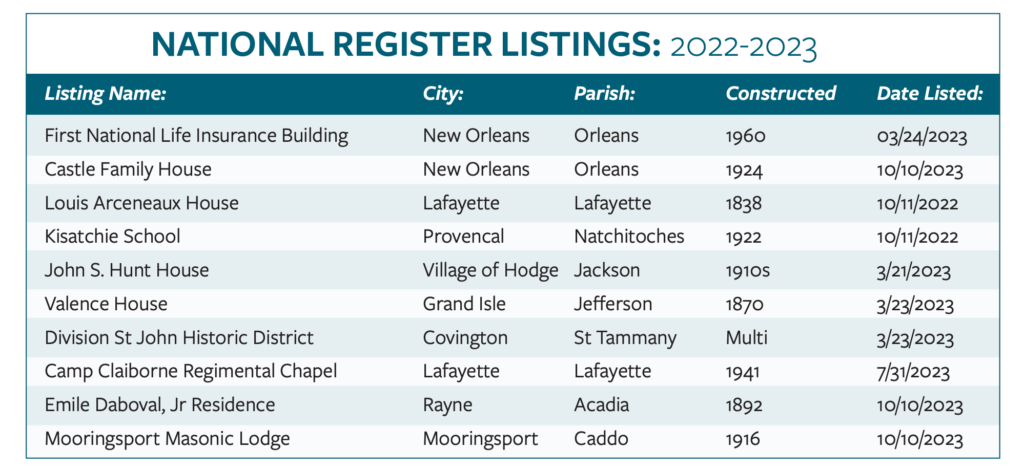
Between mid-2022 and early 2023, the National Park Service listed 10 historic Louisiana resources in the National Register of Historic Places. These resources — which include nine individual buildings and one historic district boundary increase — range in age and architectural style and cover a wide variety of Louisiana’s unique cultural and architectural history in rural and urban communities.
In New Orleans, there were two listings:
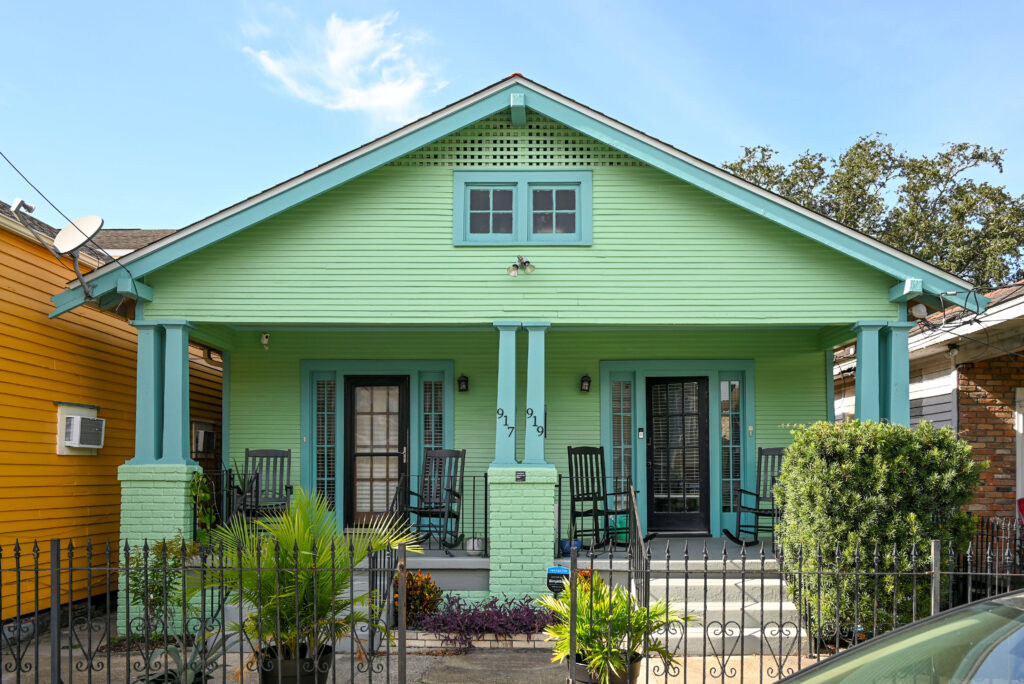
- The Castle Family Home was the site of the founding headquarters of the New Orleans chapter of the Congress on Racial Equality, or CORE organization, which was a leader in the fight for civil rights. The property is locally significant under the National Register Criterion A under the areas of Social History and Ethnic Heritage: Black.
- The First National Life Insurance Building is an example of Modernist architecture in New Orleans. It is locally significant under Criterion C in the area of architecture.
Elsewhere in Louisiana, there were eight listings, including seven individual buildings and one historic district:
- The Louis Arceneaux House is locally significant under Criterion C in the area of Architecture as an example of the Greek Revival style.
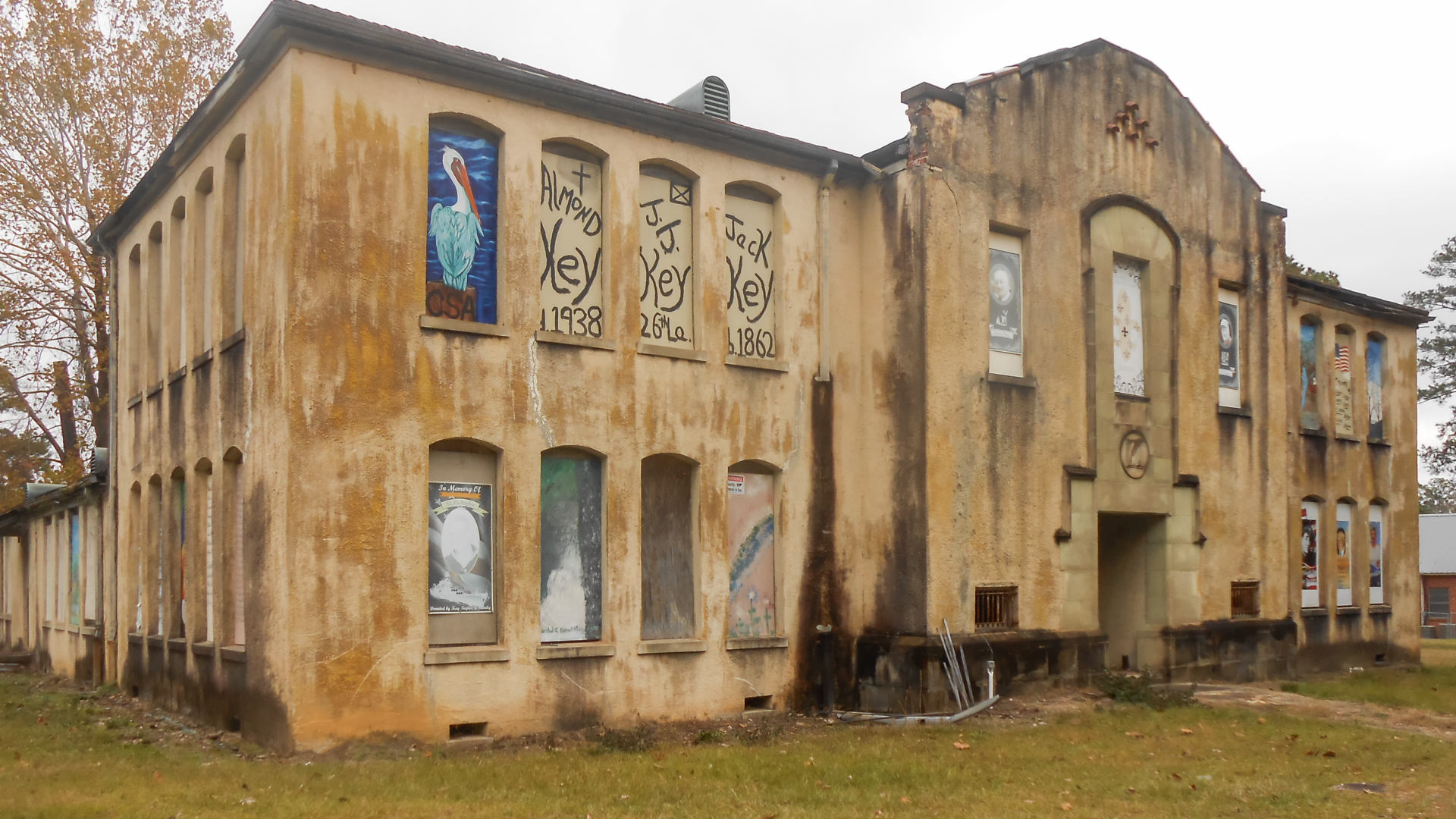
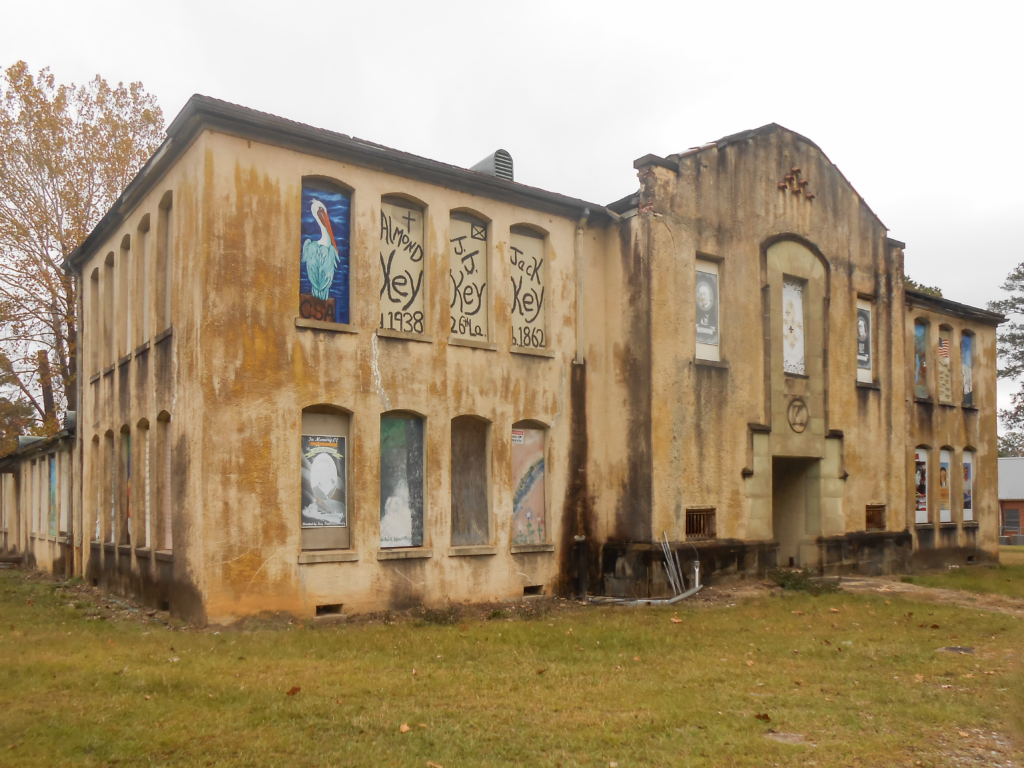
- The Kisatchie School is significant under Criterion A in the area of Education and Criterion C for Architecture as an example of the Mission/Spanish Colonial Revival style.
- The John S. Hunt House is locally significant under Criterion B for Hunt’s contributions to the areas of Industry and Exploration/Settlement in the Village of Hodge.
- The Valence House is locally significant under Criterion C in the areas of Architecture as an example of Louisiana coastal vernacular type.
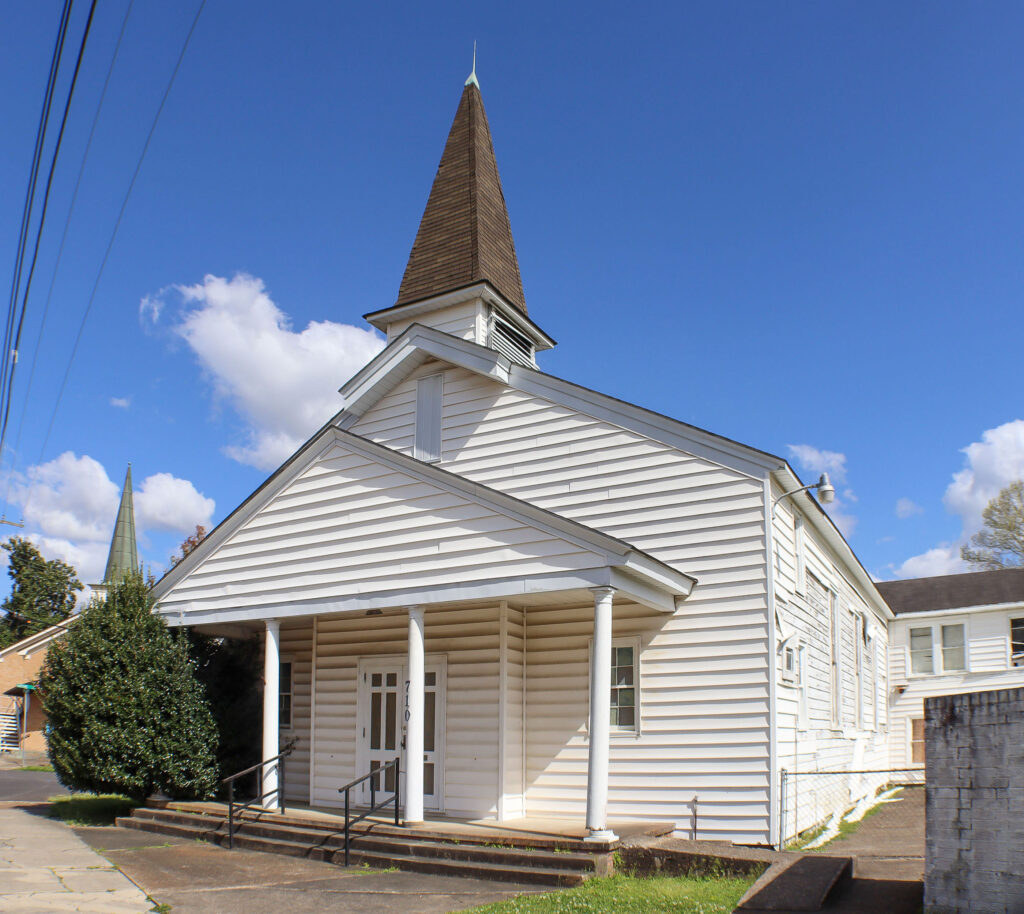
- The Camp Claiborne Regimental Chapel has local and statewide significance under Criterion C in the area of Architecture as an example of building technologies used in World War II military mobilization construction.
- The Emile L. Daboval Jr. Residence is locally significant under Criterion C in the area of Architecture as an example of the Victorian Eastlake style.
- The Mooringsport Masonic Lodge is locally significant under Criterion C in the area of Architecture as an example of the Early Classical Revival style.
- The Division of Saint John Historic District is locally significant under Criteria A and C in the areas of Architecture, Commerce and Community Planning. The district received a boundary increase that added an additional 180 contributing resources to the previously listed 168 historic resources.
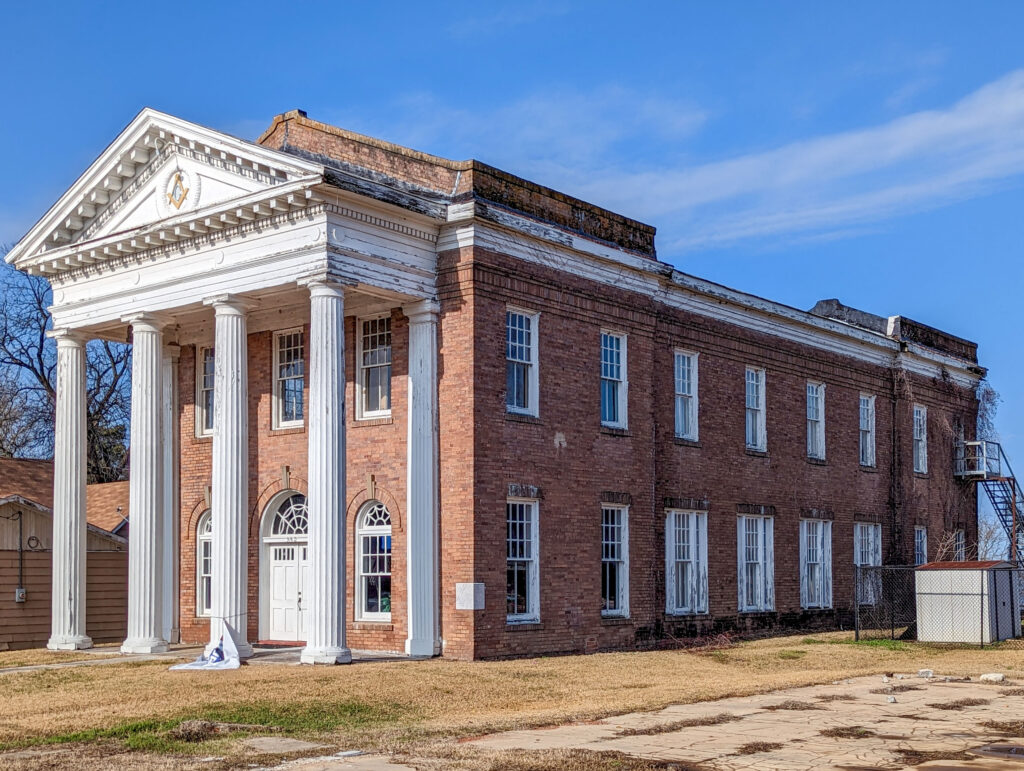
The Mooringsport Masonic Lodge was constructed in 1916 by renowned architect Edward F. Neild, Sr. and stands as an example of Early Classical Revival architecture. Original blueprints showcase how the building has retained its historic integrity through several of its original features. Photo courtesy of the Louisiana Division of Historic Preservation.
The Camp Claiborne Regimental Chapel serves as a surviving example of a 700 series CH-1 regimental chapel that retains its architectural and historic integrity despite being moved from its original location. Photo courtesy of the Louisiana Division of Historic Preservation.
The Kisatchie School is an example of the School Consolidation Movement and public education in Natchitoches Parish. It served as the primary provider of elementary and high school education for the rural community of Kisatchie from 1922 until 1962. Photo courtesy of the Louisiana Division of Historic Preservation.
The Castle Family House is locally significant for the vital role the Castle Family and their home played in the civil rights movement in New Orleans. It served as a meeting place, a shelter, and a safe house and became the founding headquarters of the CORE chapter of New Orleans. Photo courtesy of the Louisiana Division of Historic Preservation.
Of the 10 recently listed resources, at least two are in the process of or will be pursuing rehabilitation tax incentives. This drives home the close relationship that the National Register and tax incentive programs maintain as well as how successful the partnership between the two programs has been.
The Louisiana Office of Cultural Development’s Division of Historic Preservation is located in Lieutenant Governor Billy Nungesser’s Department of Culture, Recreation & Tourism. More information on each of these nominations can be found in the Louisiana Division of Historic Preservation’s National Register Database at www.crt.state.la.us/dataprojectsVS/NRHP. For more information about the National Register process in Louisiana, visit www.louisianahp.org and click National Register.
The Louisiana Office of Cultural Development’s Division of Historic Preservation is located in Lieutenant Governor Billy Nungesser’s Department of Culture, Recreation & Tourism. More information on each of these nominations can be found in the Louisiana Division of Historic Preservation’s National Register Database at www.crt.state.la.us/dataprojectsVS/NRHP. For more information about the National Register process in Louisiana, visit www.louisianahp.org and click National Register.