
NEW ORLEANS, LA – June 30, 2026: Preservation Resource Center of New Orleans is proud to announce that the City of New Orleans has been named to Irreplaceable America, a new list from World Monuments Fund (WMF) recognizing 10 historic places across the United States whose preservation is essential to the richness and complexity of American history as the nation approaches the 250th anniversary of the Declaration of Independence. From landmarks of public health and colonial architecture to sites central to Black history, Indigenous heritage, and artistic experimentation, the initiative spotlights places facing urgent preservation needs.
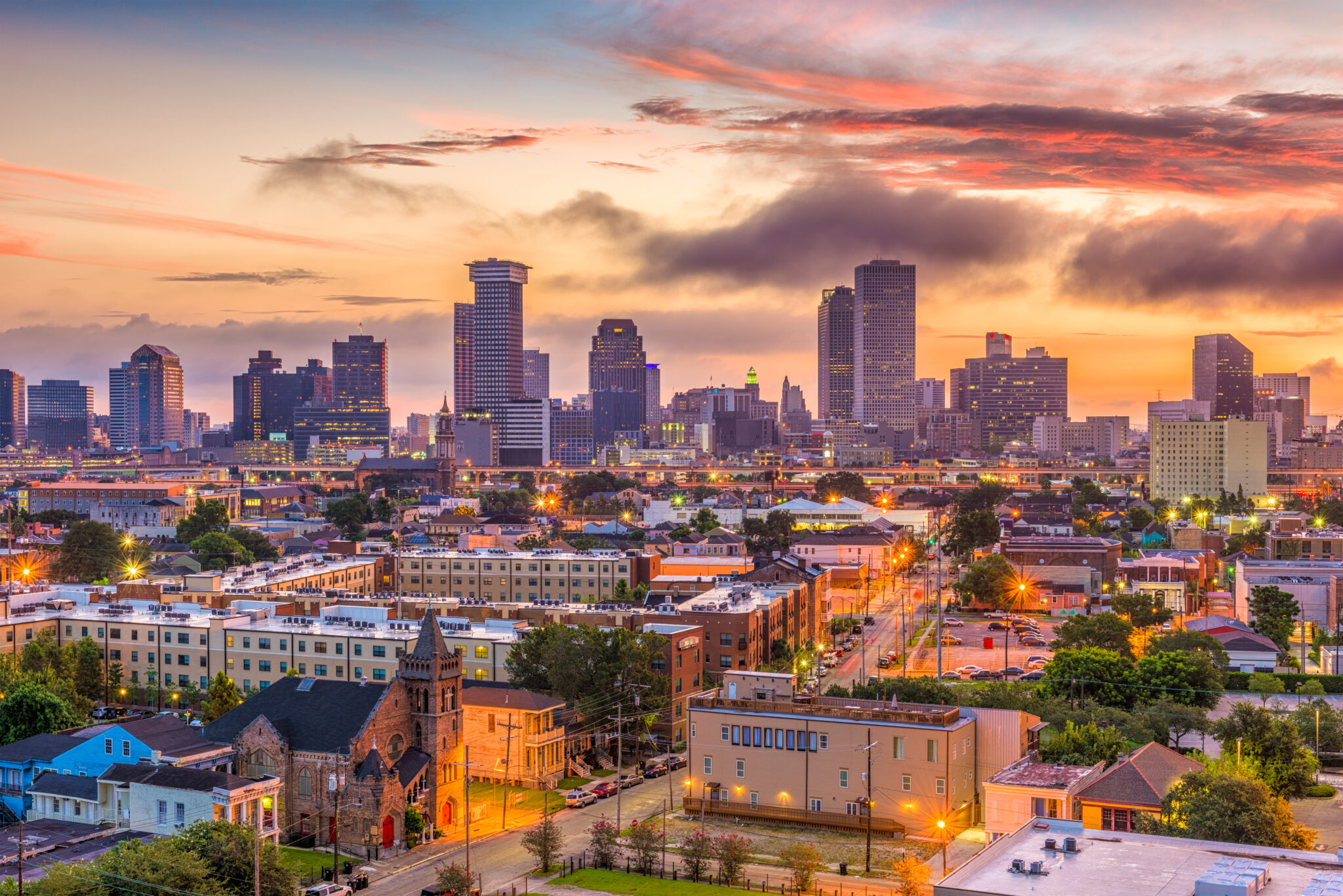
New Orleans is the only city included on the 2026 Irreplaceable America list. Rather than highlighting a single landmark, the nomination frames the city as an irreplaceable living cultural landscape: a place where historic neighborhoods, vernacular architecture, public traditions, water, culture and daily life are inseparable.
The local nomination was initiated by PRC Executive Director Kristin Gisleson Palmer to make the case that the entire city — not a single monument, building or district — is the irreplaceable site. PRC worked with the Historic Preservation program in Tulane’s School of Architecture and Built Environment, Louisiana Landmarks Society, The Ella Project and The Water Collaborative to develop the submission and highlight the relationship among architecture, culture, water, community stability and traditional skills.
“PRC initiated this nomination because New Orleans itself is irreplaceable — not just one building, one district or one monument, but the entire living city,” said Kristin Gisleson Palmer, Executive Director of the Preservation Resource Center of New Orleans. “Our historic neighborhoods, architecture, music, foodways, spiritual traditions and street life are all connected, and they are all vulnerable. Severe weather, flooding, land loss, aging infrastructure, displacement, rising insurance costs and population decline are not abstract future concerns for New Orleans. They are already reshaping the city and threatening the people and places that make it unlike anywhere else in this country.”
“Our challenge and opportunity is to invest in the city’s future in ways that give communities the tools and resources to remain, thrive and shape their own futures; help historic buildings adapt to changing conditions; and sustain cultural traditions in the places where they were created,” said Heather Veneziano, Director of Historic Preservation at Tulane School of Architecture and Built Environment. “By bringing preservation, climate planning, infrastructure investment and workforce development together, New Orleans can offer a powerful model for how coastal cities protect not only their physical fabric, but the living identity that makes them irreplaceable”
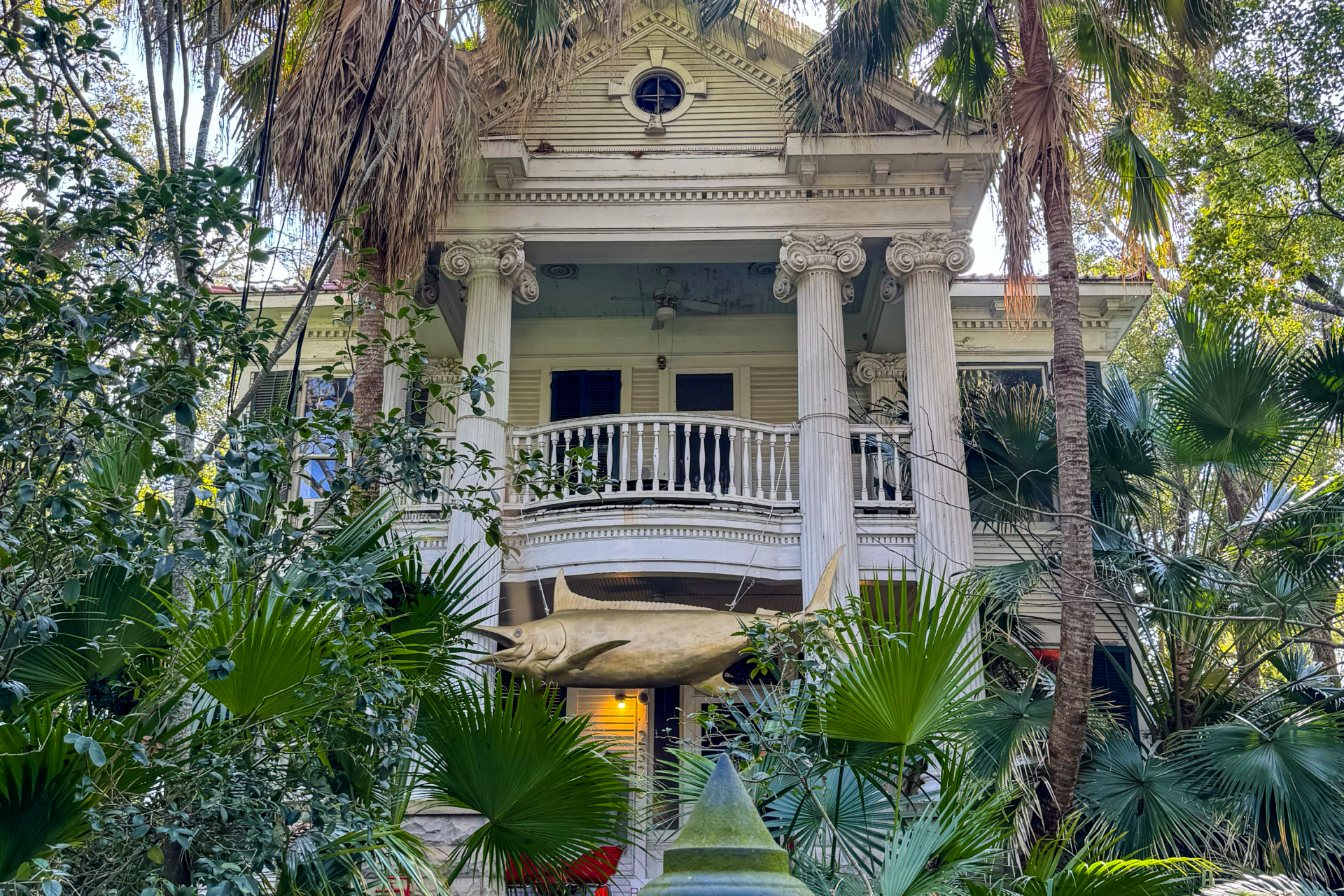
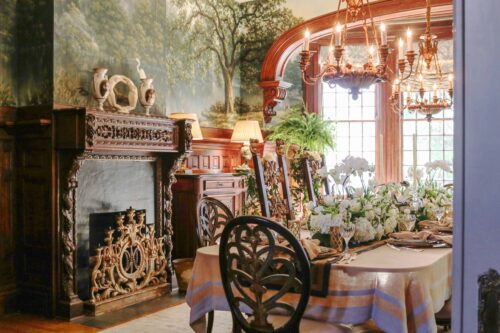
Established in 1718 along a bend in the Mississippi River, New Orleans developed as a global port and crossroads of Indigenous, African, Caribbean and European influences. Historic neighborhoods including the French Quarter, Tremé, Marigny, Central City and the Seventh Ward are defined by Creole cottages, shotgun houses, front porches, corner stores, churches, social halls and other everyday places that continue to support cultural traditions with national and global resonance, from music and foodways to neighborhood celebrations and community life.
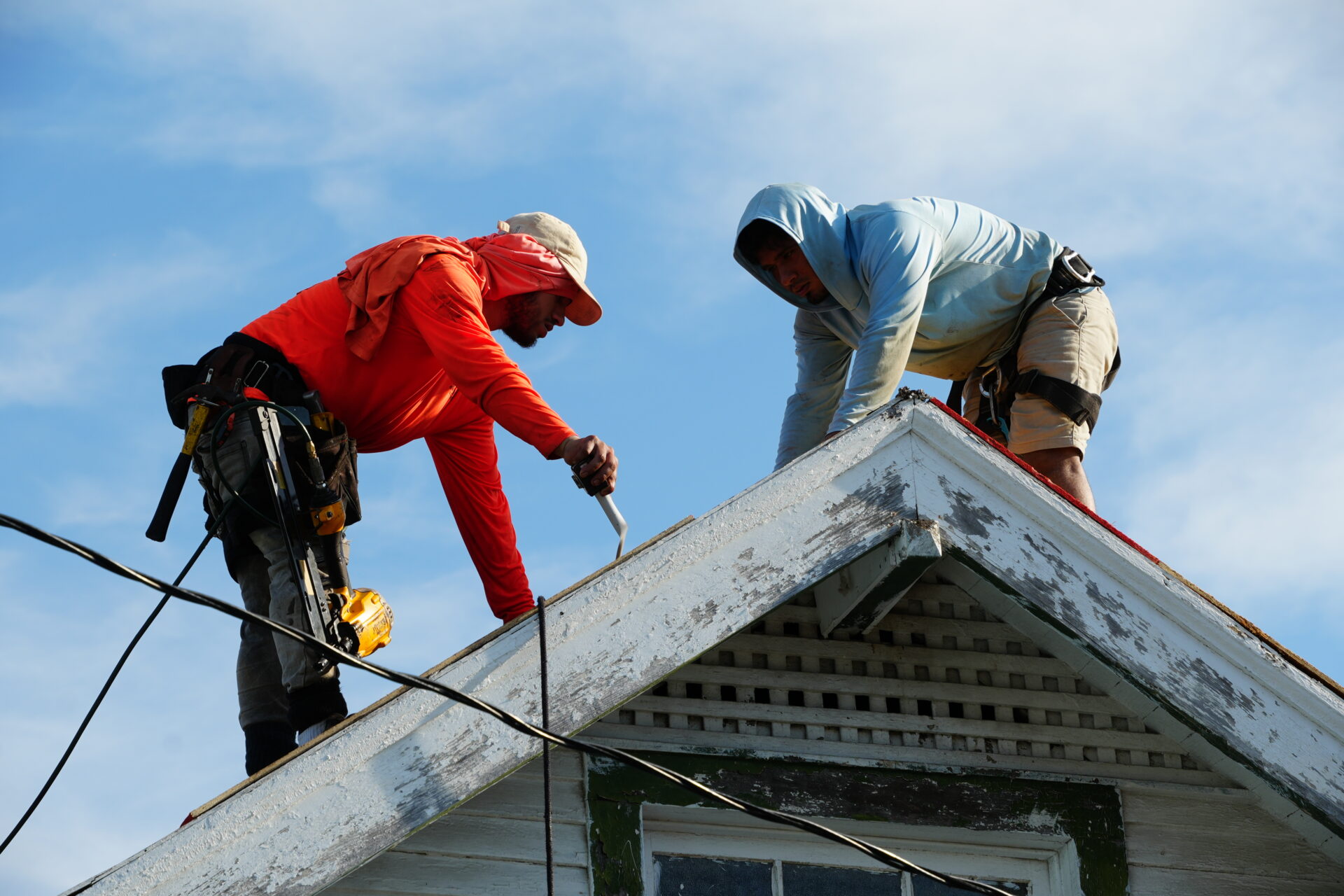
Today, New Orleans’ historic neighborhoods and cultural landscape face urgent and interconnected preservation challenges. Rising housing and insurance costs, population loss, economic pressure, vacancy, deferred maintenance, flooding, storms, land loss and increasingly severe rainfall all threaten the buildings and communities that sustain the city’s cultural identity. Addressing those challenges will require preservation, climate adaptation, infrastructure planning, workforce development and support for residents and culture bearers.
“We hope this recognition brings national attention to the urgency of this moment,” Palmer said. “If we want New Orleans to remain New Orleans, preservation must be part of the response — not only preserving buildings, but protecting the people, traditions and skills that keep those places alive.”
“The United States was built by people from every corner of the globe, shaped by Indigenous nations, early settlers, immigrant communities, and generations of cultural exchange,” said Bénédicte de Montlaur, President and CEO of World Monuments Fund. “That complexity gave rise to some of America’s most enduring contributions, from colonial heritage to jazz and hip-hop and the Wright brothers’ invention of powered flight. After decades of work at more than 700 sites in 112 countries, WMF has seen what communities gain when they can protect the places that matter and what is lost when they cannot. As the nation approaches its 250th anniversary, Irreplaceable America is a call to protect the places that reflect the richness of that history, and the role heritage plays in education, community memory, and civic life.”
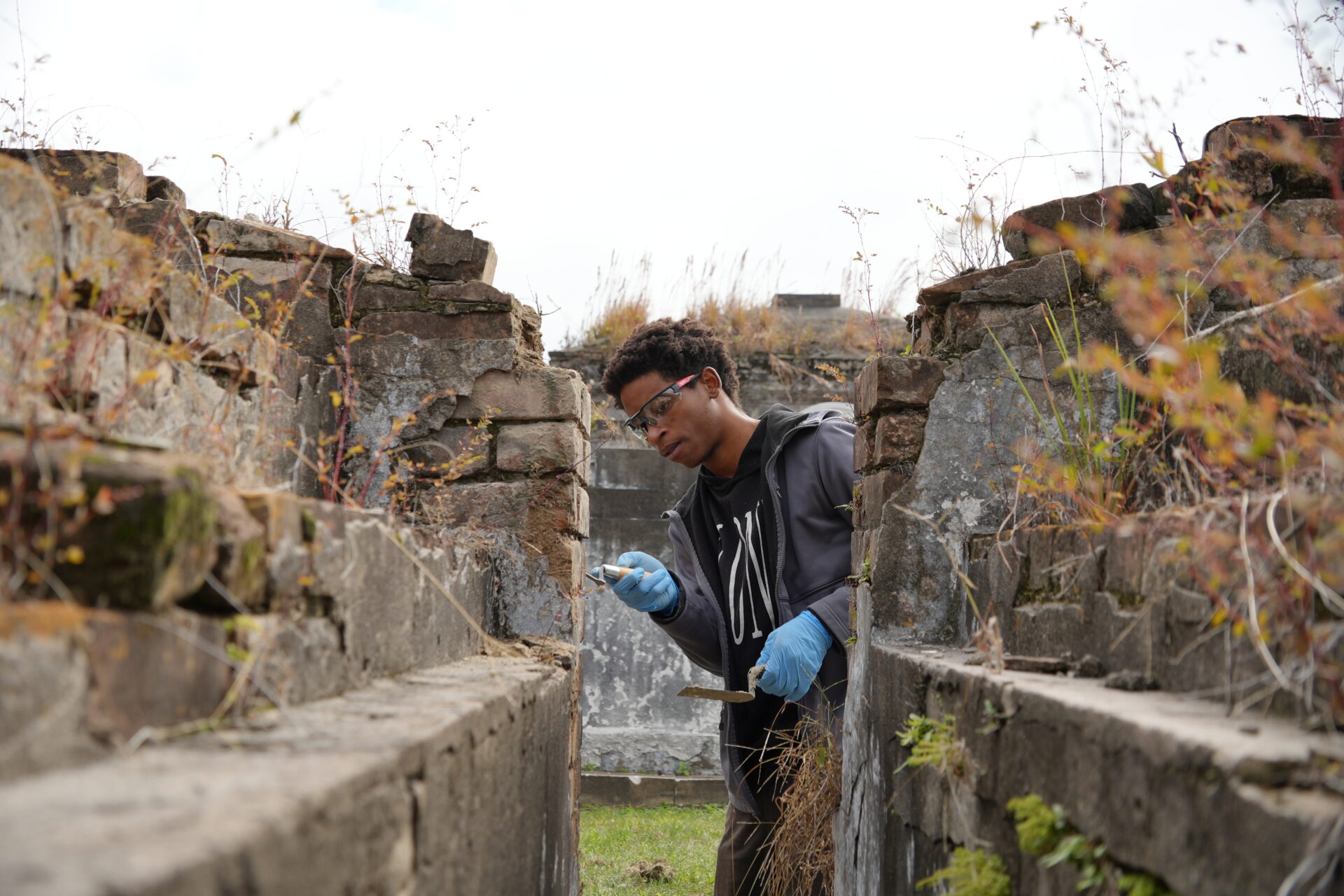
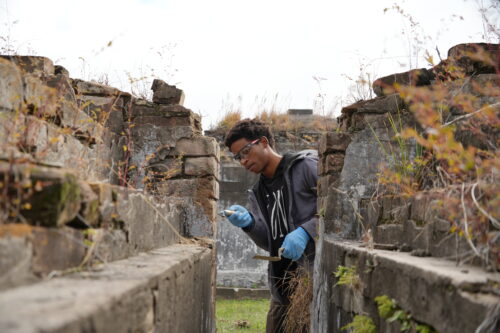
Following the announcement, PRC will work with its partners and WMF to help build a year-long awareness effort focused on why New Orleans is irreplaceable and what is required to sustain it. Programming and storytelling are expected to explore historic neighborhoods, climate and water, cultural continuity, affordability, traditional building trades and public stewardship.
“By investing in communities, historic buildings, infrastructure, and traditional skills, the city can help residents remain, shape their own futures, and sustain the traditions that make New Orleans irreplaceable,” Veneziano said.
City of New Orleans appears on the list alongside nine other places reflecting both the breadth of American history and the range of preservation challenges that many historic sites face. The full 2026 Irreplaceable America list is: New York Smallpox Hospital Ruin, New York; Bartram’s Garden, Philadelphia, Pennsylvania; Black Mountain College Studies Building, North Carolina; African Meeting House, Boston, Massachusetts, Massachusetts; City of New Orleans, Louisiana; Colonial Homes of Newport, Rhode Island; Dallas City Hall, Texas; Mission Churches of Acoma and Laguna Pueblos, New Mexico; Watts Towers, Los Angeles, California; and the Wright Brothers Sites in Dayton, Ohio. In addition, WMF and the external jury extended a special recognition to the National Park Service in support of the institution’s central role in shaping preservation standards and stewarding more than 430 sites across the United States.
The nationwide open call for nominations resulted in 75 submissions, which underwent a structured internal review and were then evaluated by an independent expert panel. Nominations were assessed based on cultural significance, urgency of conservation needs, and the potential community benefit of preservation. The panel included Charles A. Birnbaum, President and CEO of The Cultural Landscape Foundation; Charles L. Davis II, Associate Professor of Architectural History and Criticism and Program Director of the architecture PhD program at the University of Texas at Austin; Paul Goldberger, American author and architecture critic; Anthea M. Hartig, Elizabeth MacMillan Director of the National Museum of American History; Frank Sanchis, retired Regional Director for North America at World Monuments Fund; and Francisco Uviña‑Contreras, Professor of Architecture and Planning and Director of the historic preservation and regionalism graduate certificate program at the University of New Mexico.
For more information about Irreplaceable America, visit wmf.org. To learn more about PRC’s work in New Orleans, visit prcno.org.
About Preservation Resource Center of New Orleans
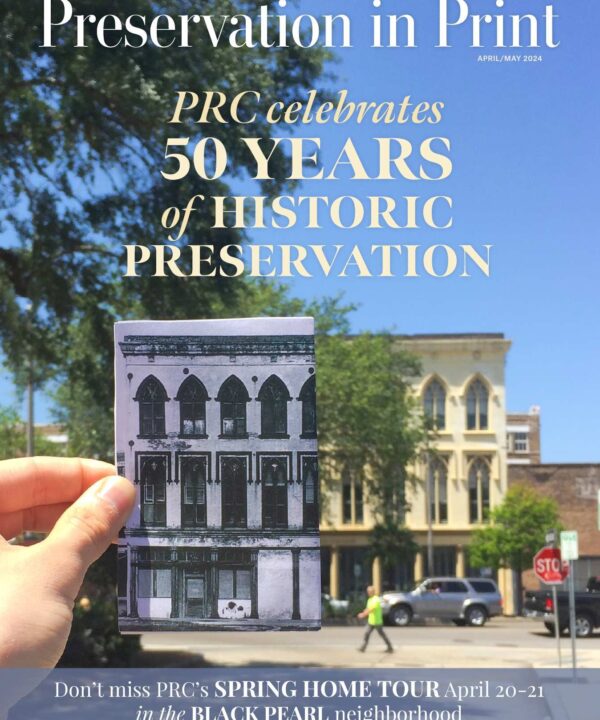
Founded in 1974, the Preservation Resource Center of New Orleans preserves the city’s historic architecture, neighborhoods, and cultural identity through advocacy, education, and community engagement. PRC works with residents, preservationists, tradespeople, public agencies, and partners to protect New Orleans’ historic built environment and promote preservation as a tool for neighborhood stability, sustainability, and economic opportunity.
About World Monuments Fund
World Monuments Fund (WMF) is the leading independent organization devoted to safeguarding the world’s most treasured places to enrich people’s lives and build mutual understanding across cultures and communities. The organization is headquartered in New York City with offices and affiliates in Cambodia, China, France, India, Italy, Peru, Portugal, Spain, and the United Kingdom. Since 1965, our global team of experts has preserved the world’s diverse cultural heritage using the highest international standards at more than 700 sites in 112 countries. Partnering with local communities, funders, and governments, WMF draws on heritage to address some of today’s most pressing challenges: climate adaptation, inclusive heritage, balanced tourism, and post-crisis recovery. With a commitment to the people who bring places to life, WMF embraces the potential of the past to create a more resilient and inclusive society.
Media Contacts
Keaton Ramjit
Senior Manager, Media Relations
World Monuments Fund
[email protected]
Clint Durrett
Director of Communications,
Preservation Resource Center of New Orleans
[email protected]