
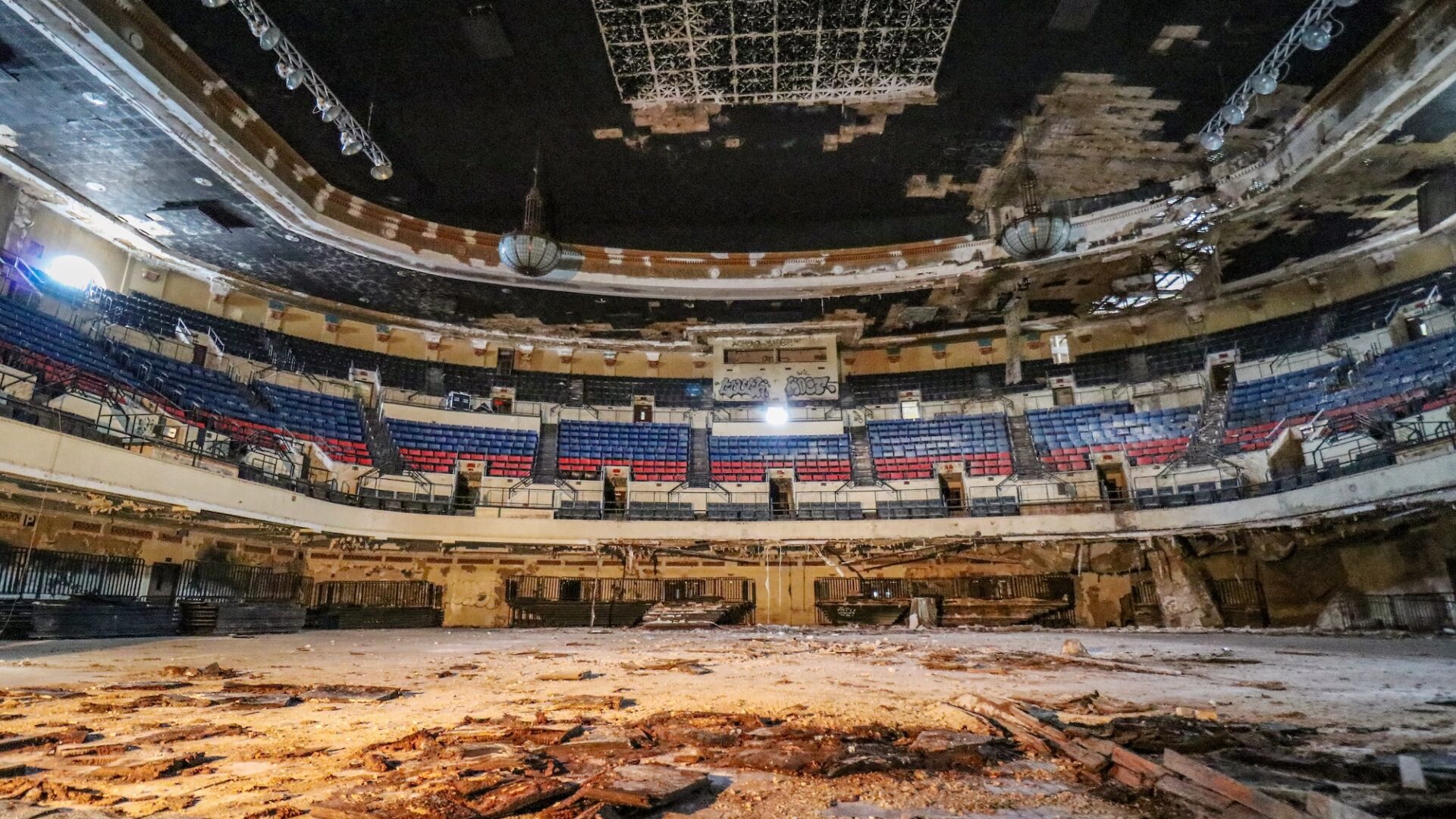
Head through the freight entrance — the same path elephants trod when they lumbered into Municipal Auditorium to cavort in the Shrine Circus — and enter a vast realm that is dark, empty, silent and, on a recent summer morning, breathlessly hot and muggy. No air stirs.
The immense arena, where as many as 7,800 people could gather in three tiers, has been stripped bare. The innards of smashed 1990s-vintage computer terminals sprawl atop a platform. Cables snake along the corridors; visitors must step carefully to avoid stumbling in the gloom as they pass walls where paint has peeled. Cracked ceiling tiles litter the floor.
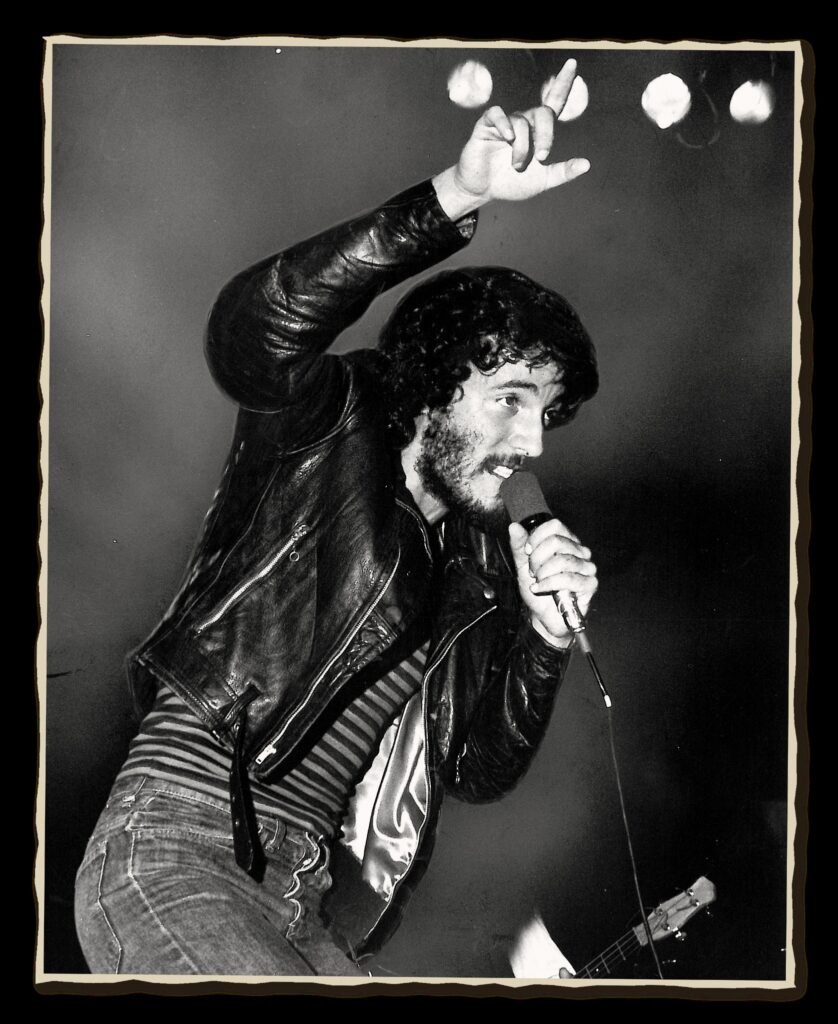
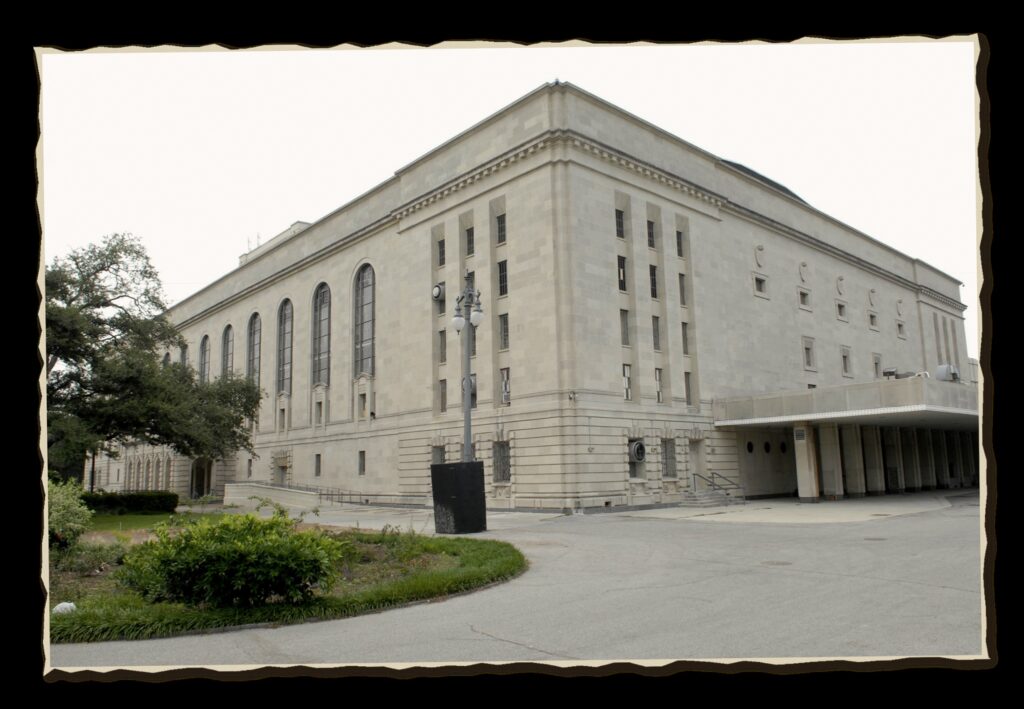
Welcome to Municipal Auditorium, the 96-year-old colossus that was the venue for mega-events in the years before Caesars Superdome, Smoothie King Center and the Ernest N. Morial Convention Center appeared on the skyline. It was where Bolshoi ballerinas pirouetted, Bruce Springsteen sweated mightily through three-hour concerts, opera divas hit high C’s, and thousands of debutantes and the Duke and Duchess of Windsor paid homage over the years to make-believe royalty.
No more. Those days ended on Aug. 29, 2005, when Hurricane Katrina roared through and floodwaters covered 80 percent of New Orleans. The auditorium has been closed since then.
“It’s very grim in there,” said Jonah Gilmore, Mayor Helena Moreno’s communications director. “It’s a derelict building.”
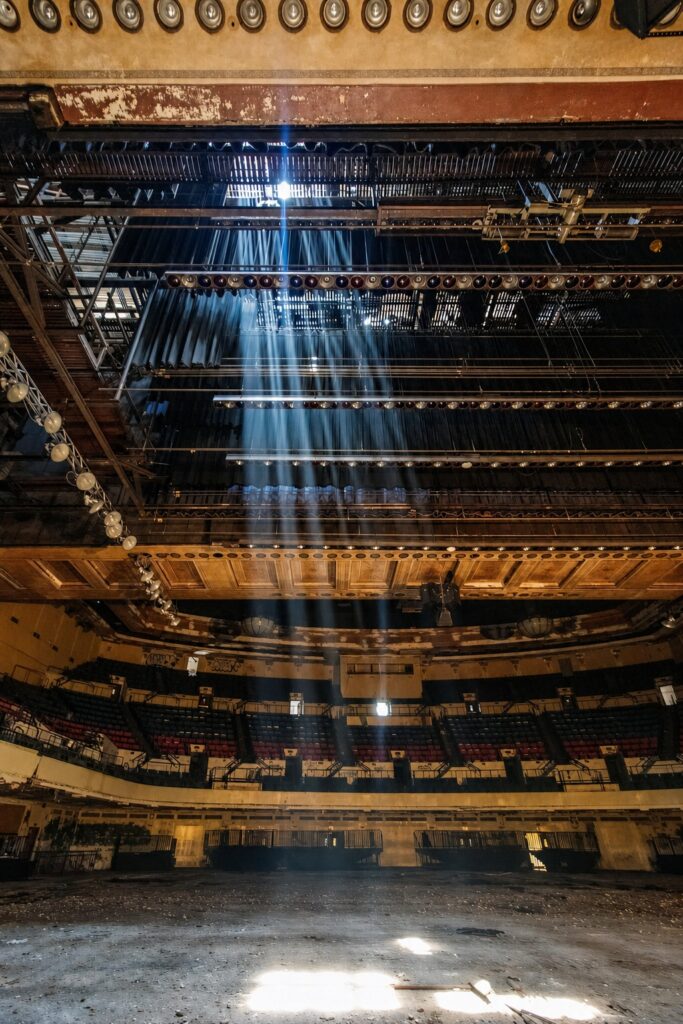
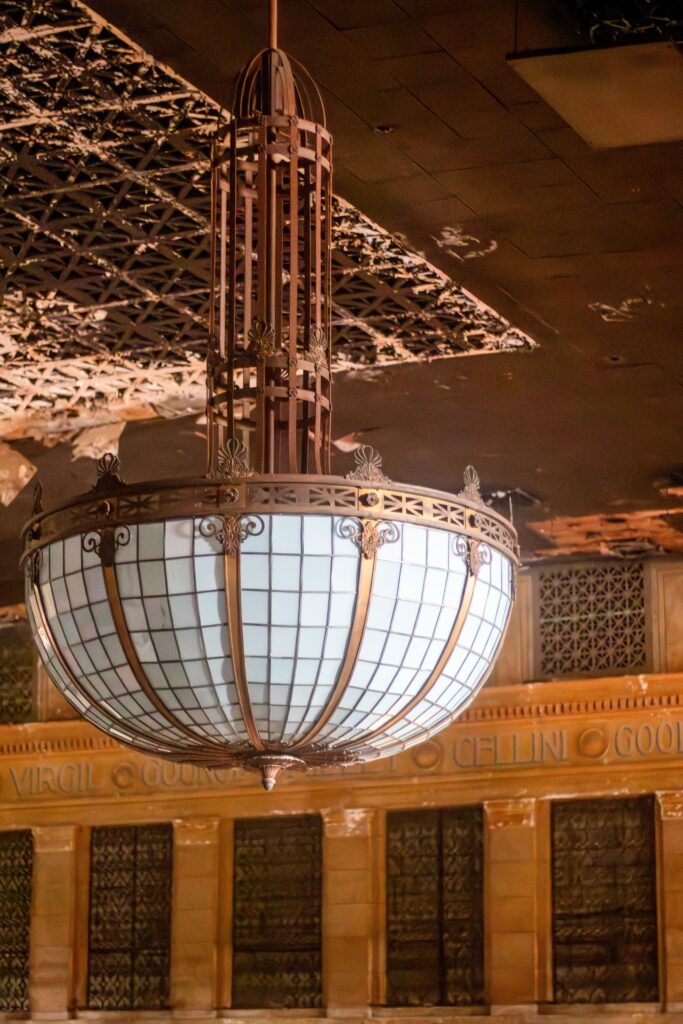
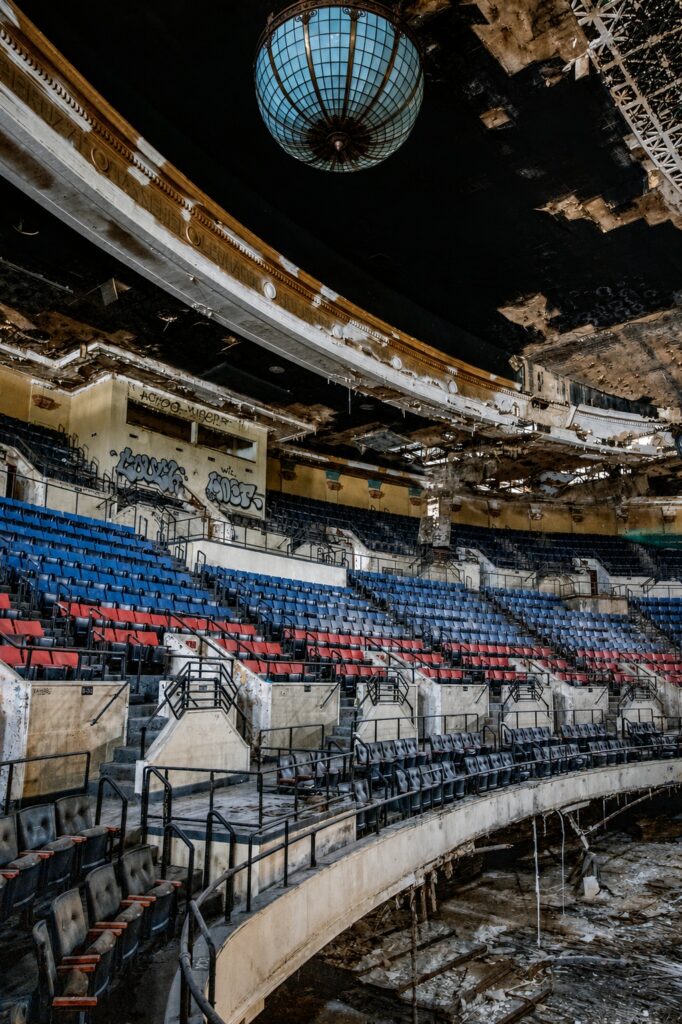
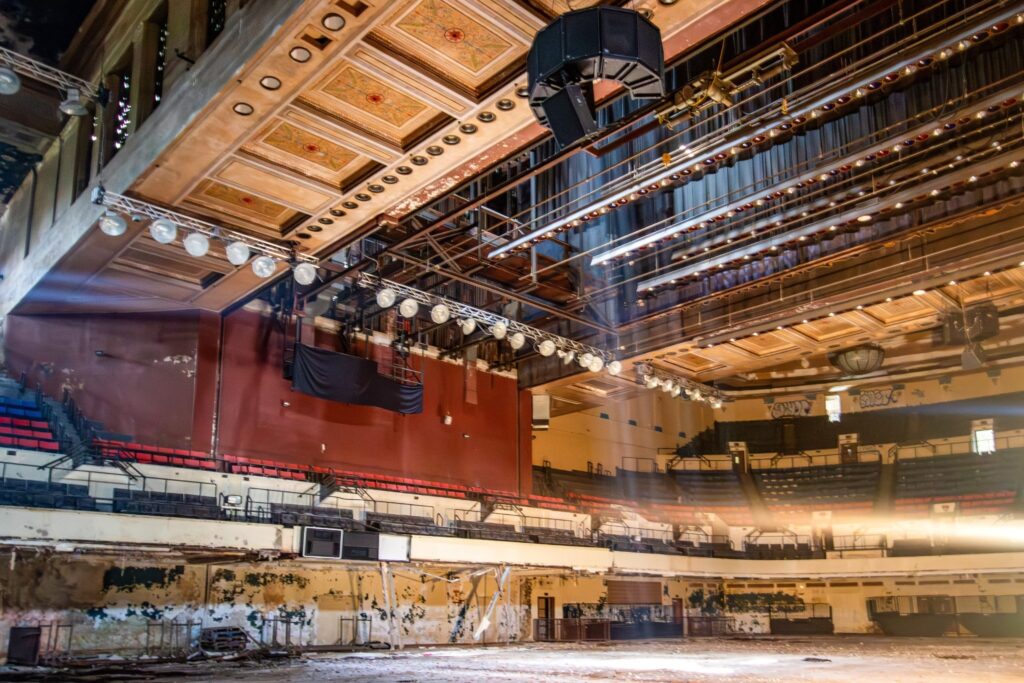
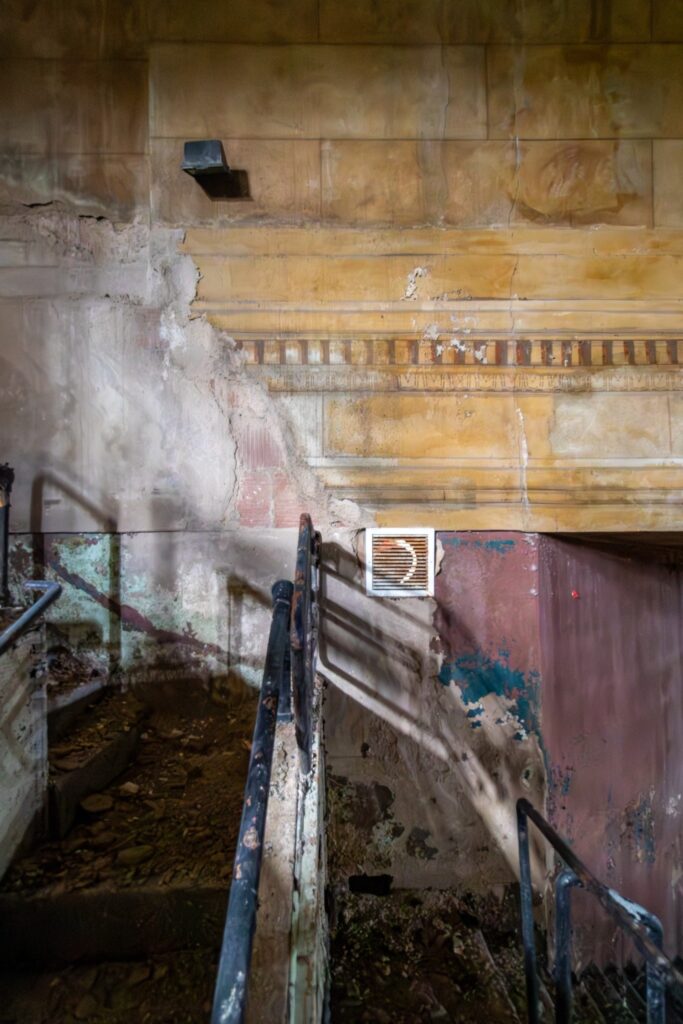
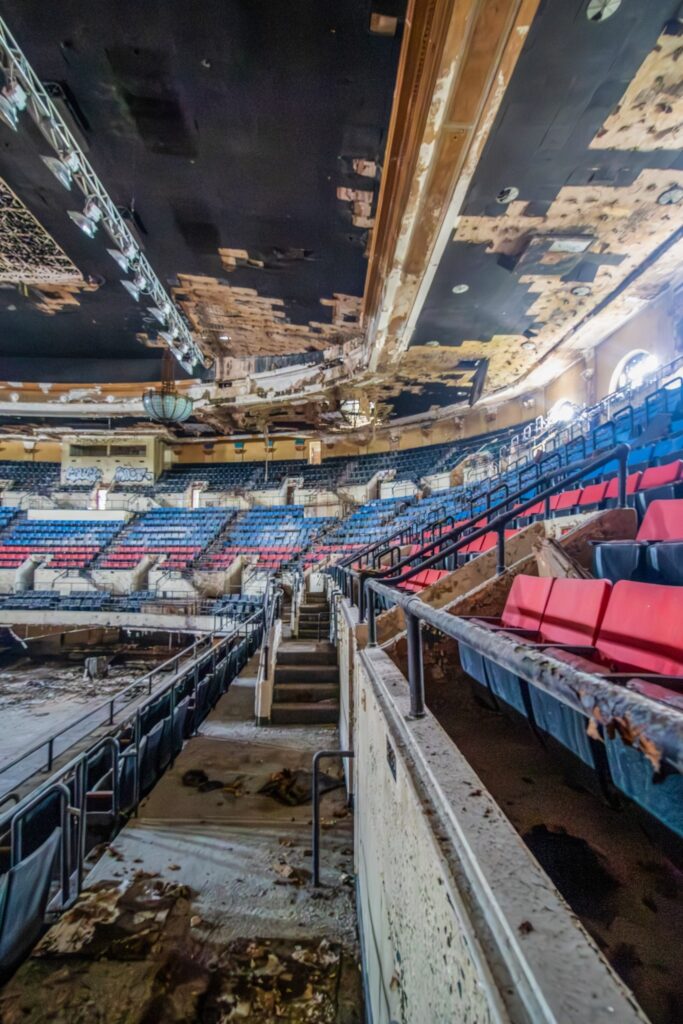
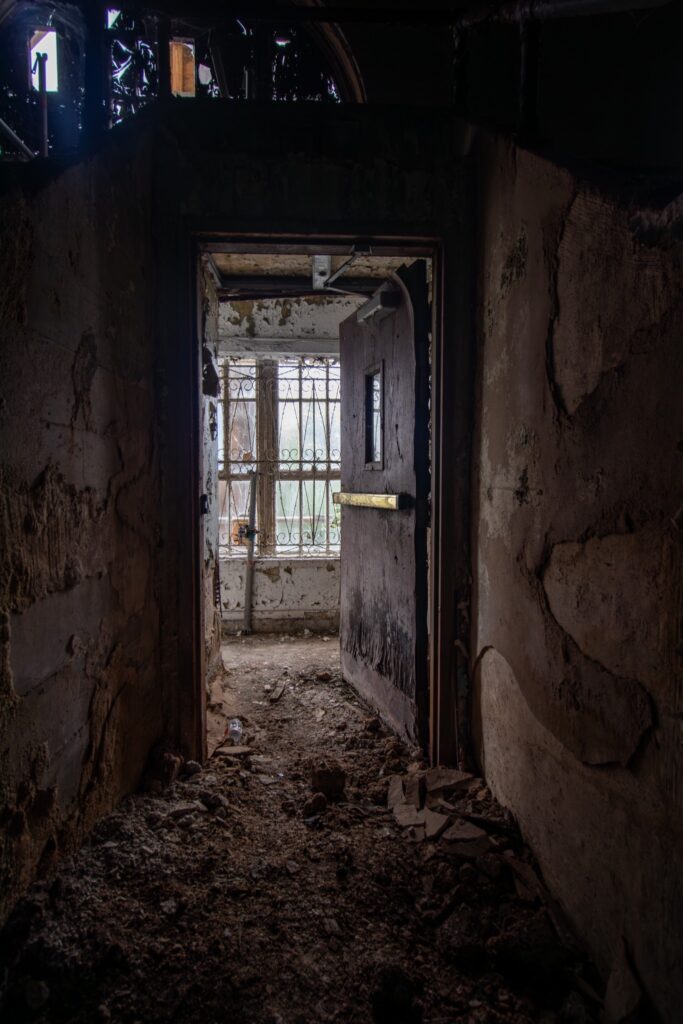
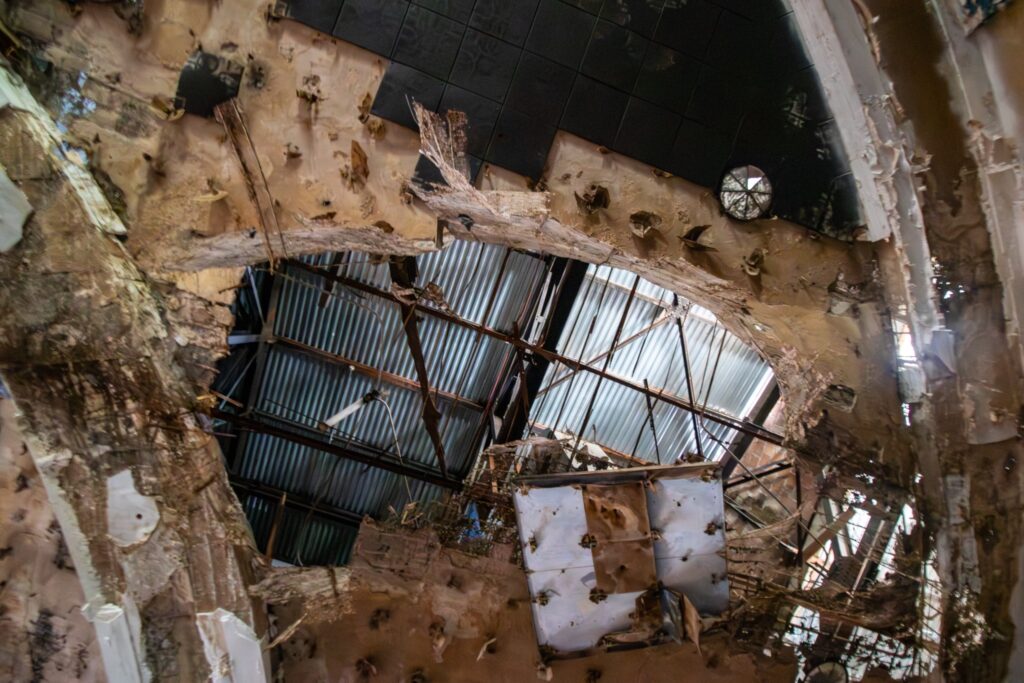
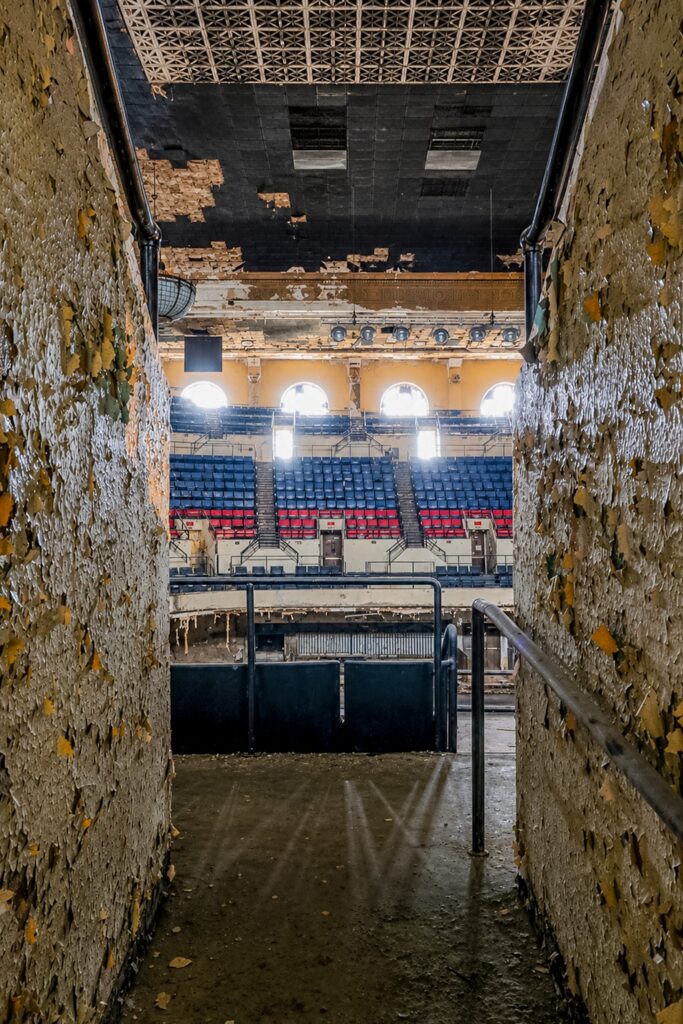
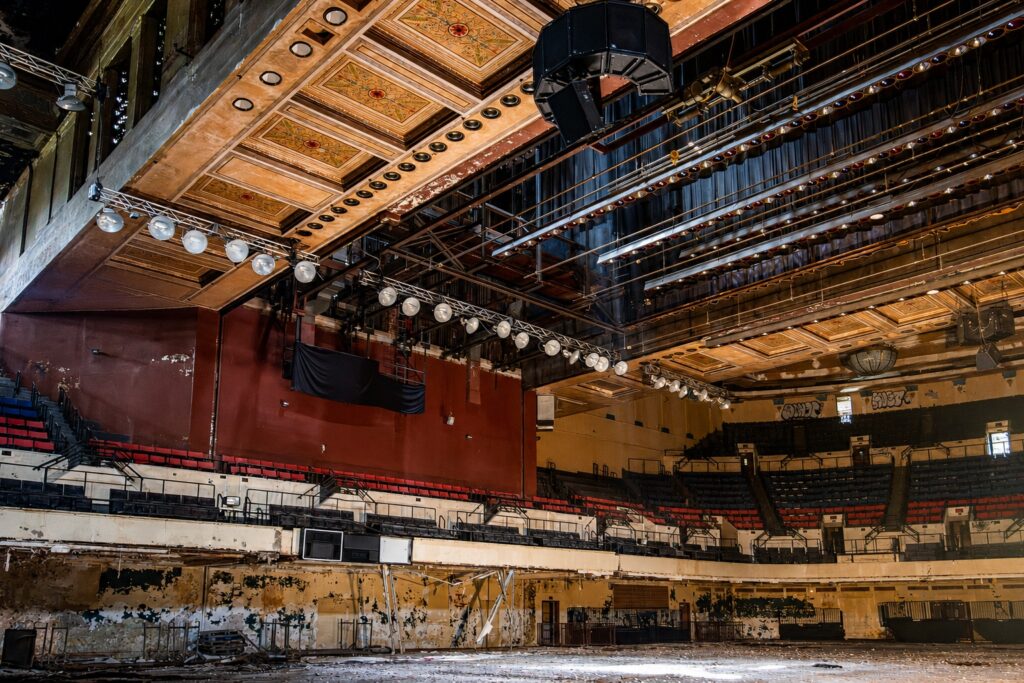
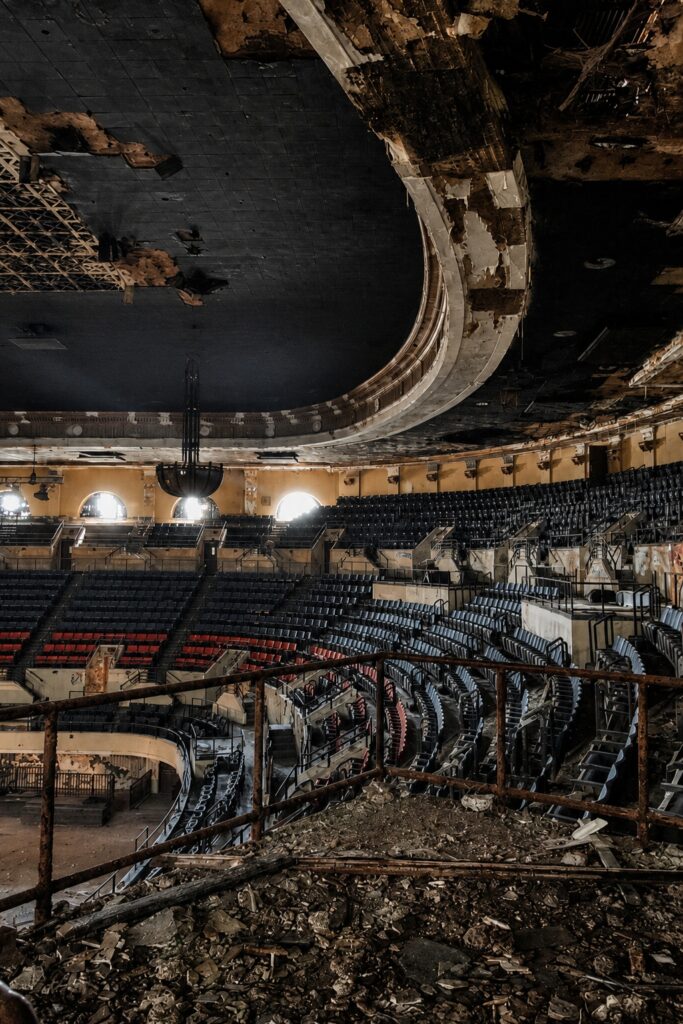
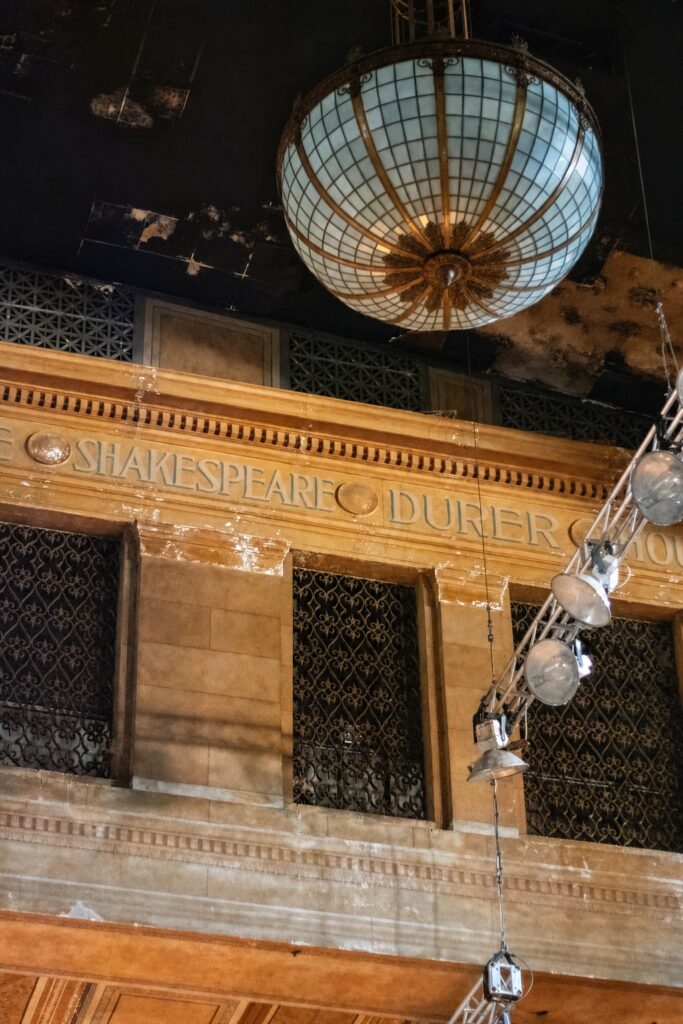
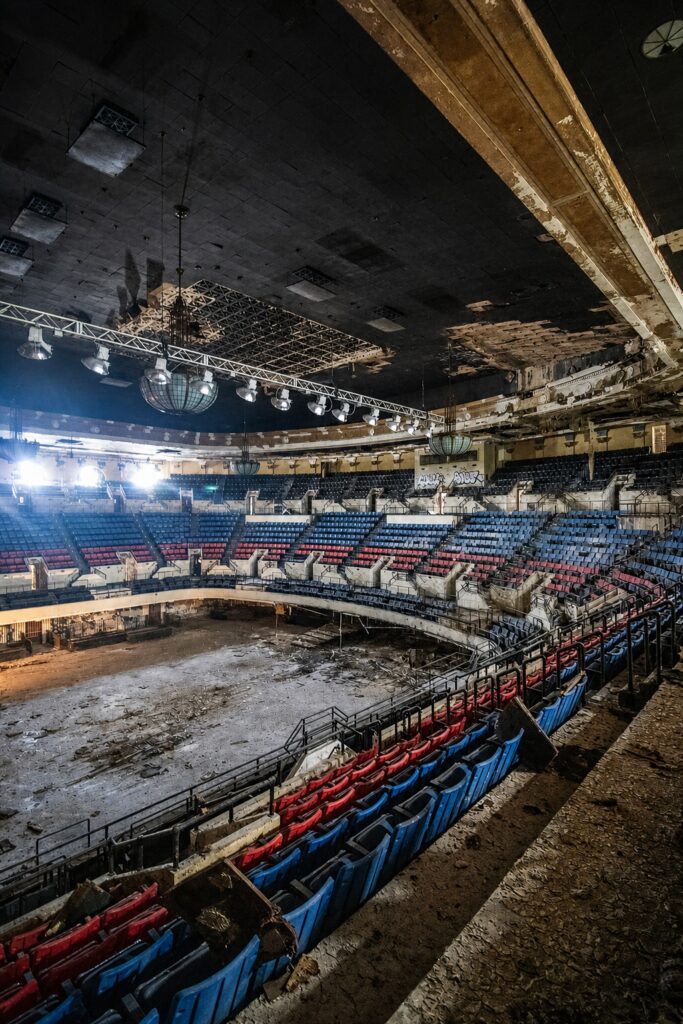
Photo by Liz Jurey
Photo by Liz Jurey
Photo by Liz Jurey
Photo by Liz Jurey
Photo by Liz Jurey
Photo by Liz Jurey
Photo by Liz Jurey
Photo by Liz Jurey
Photo by Liz Jurey
Photo by Liz Jurey
Photo by Liz Jurey
Photo by Liz Jurey
Photo by Liz Jurey
It may be grim, but it is structurally sound, the result of years of work to stabilize the building, remove wet carpeting and drywall, and clean surfaces.
“It seems like we’ve been working on it a long time,” said Kristine Kobila, an architect with NANO LLC, who has spent nearly four years there. “We love it.”
Although the auditorium is nowhere near ready to host any kind of event, the 200,000-square-foot structure that dominates its Tremé block has been drained and stabilized. Mold — a byproduct of a hot, humid climate — has been vanquished.
“The building itself is in really good shape. I feel very safe here,” said Laura LeBon, an architect with VergesRome Architects who saw the New Orleans Brass hockey team play there nearly 30 years ago. “It’s been a labor of love.”
Getting to this point has been tough, marked by uncertainty over funding for the project and controversy over what the building might become.
After years of negotiations, the Federal Emergency Management Agency awarded the city $38.5 million in 2018, on a reimbursement basis, to replace the roof, stabilize the interior and work on the exterior to ensure that it is waterproof and functional, said Steve Nelson, director of New Orleans’ Department of Public Works.
Those projects should be finished by the end of 2027, he said.
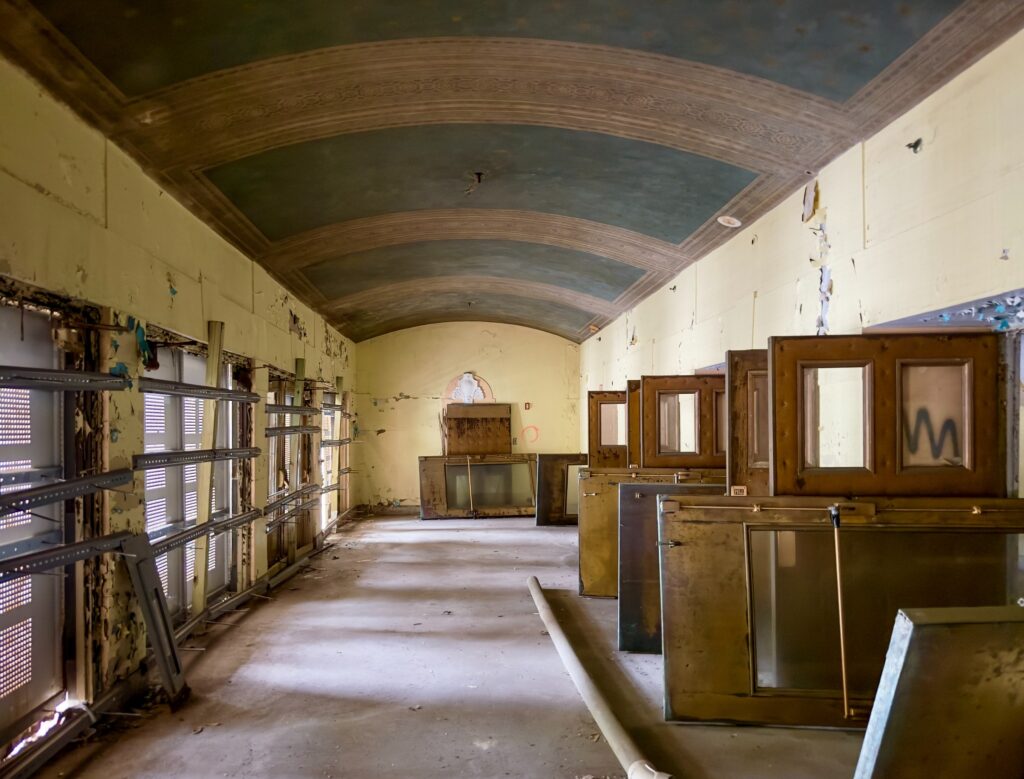
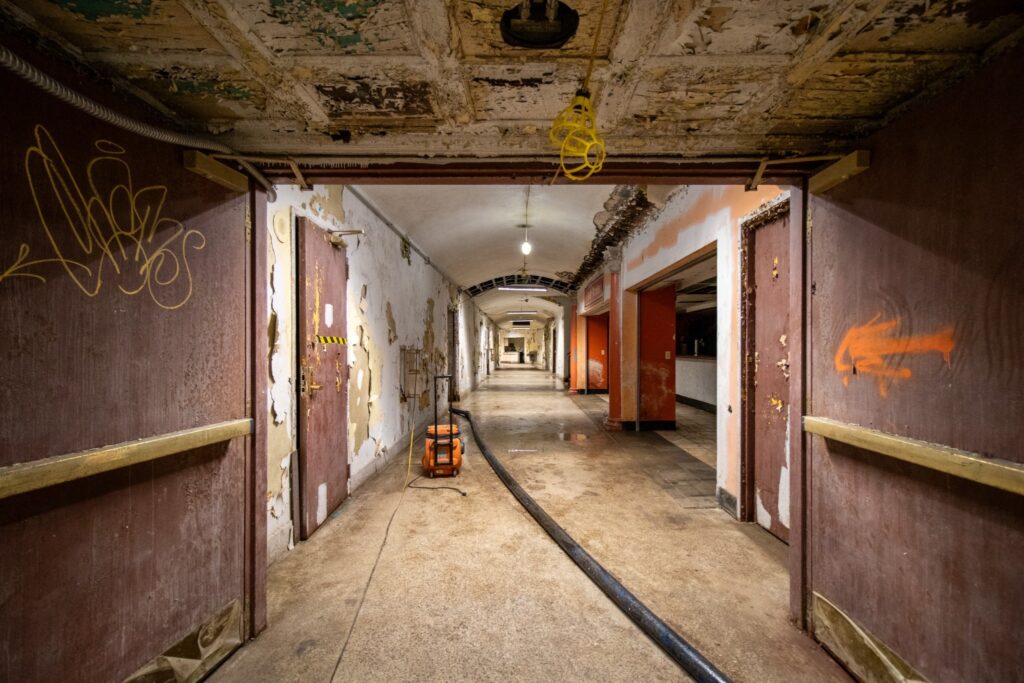
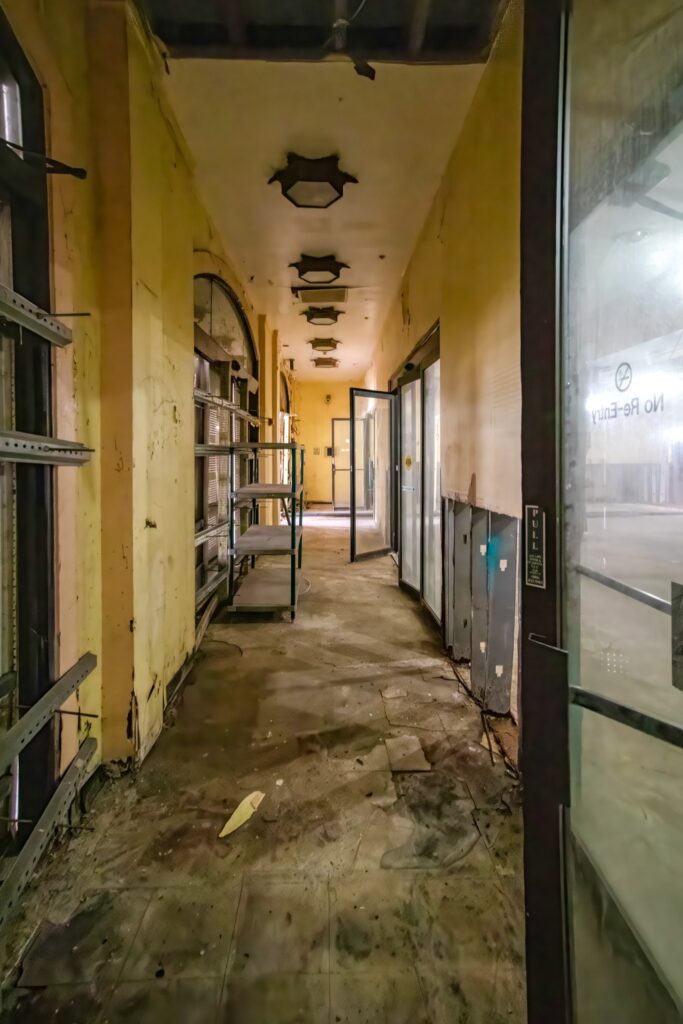
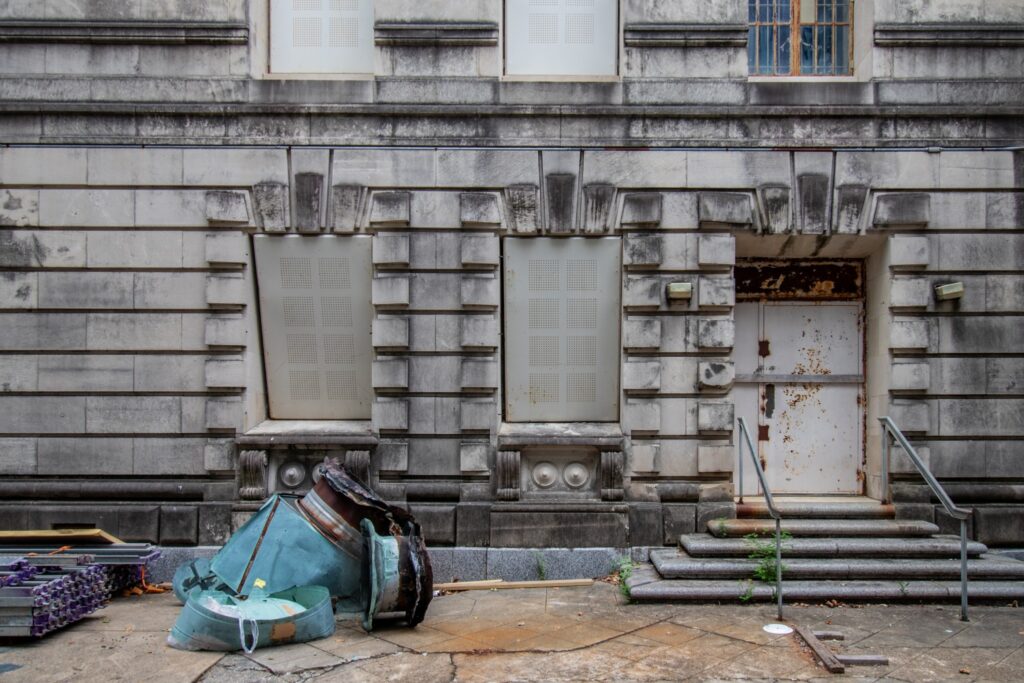
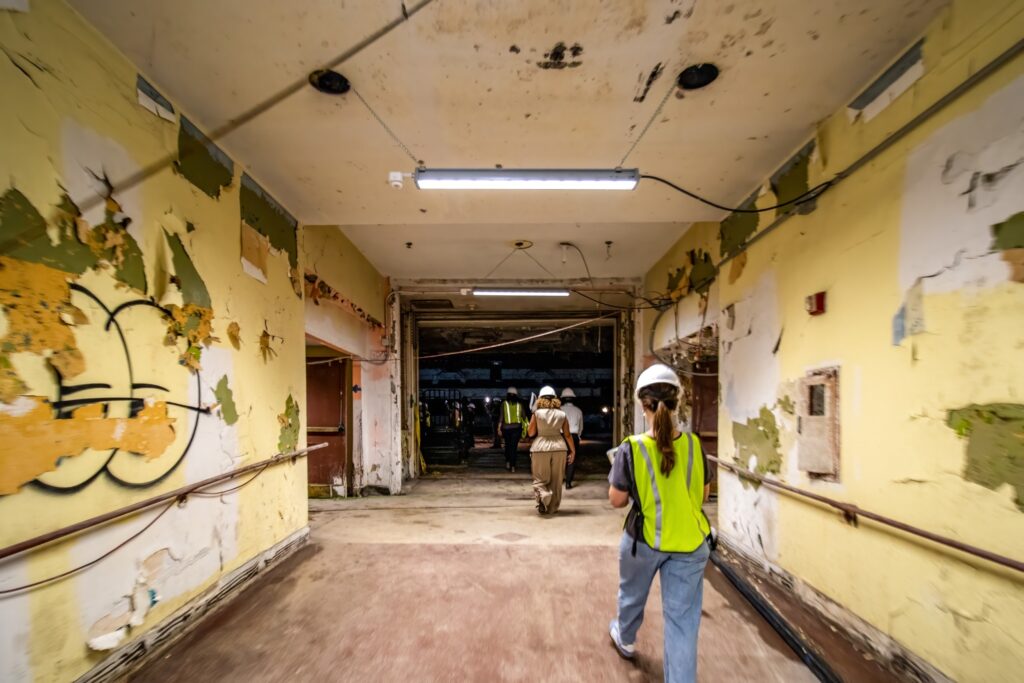
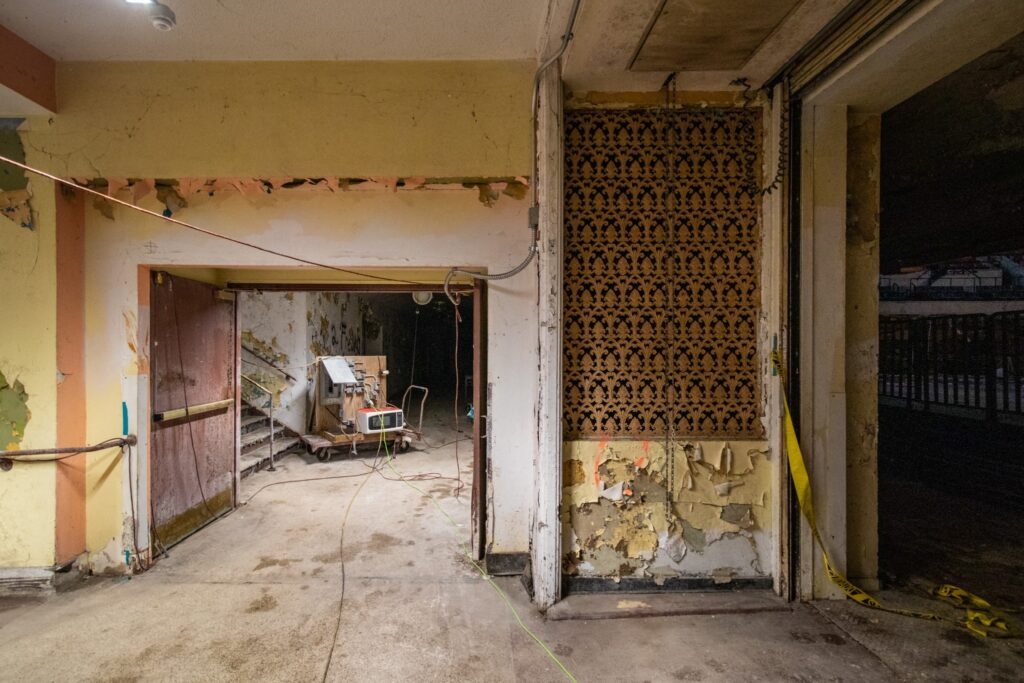
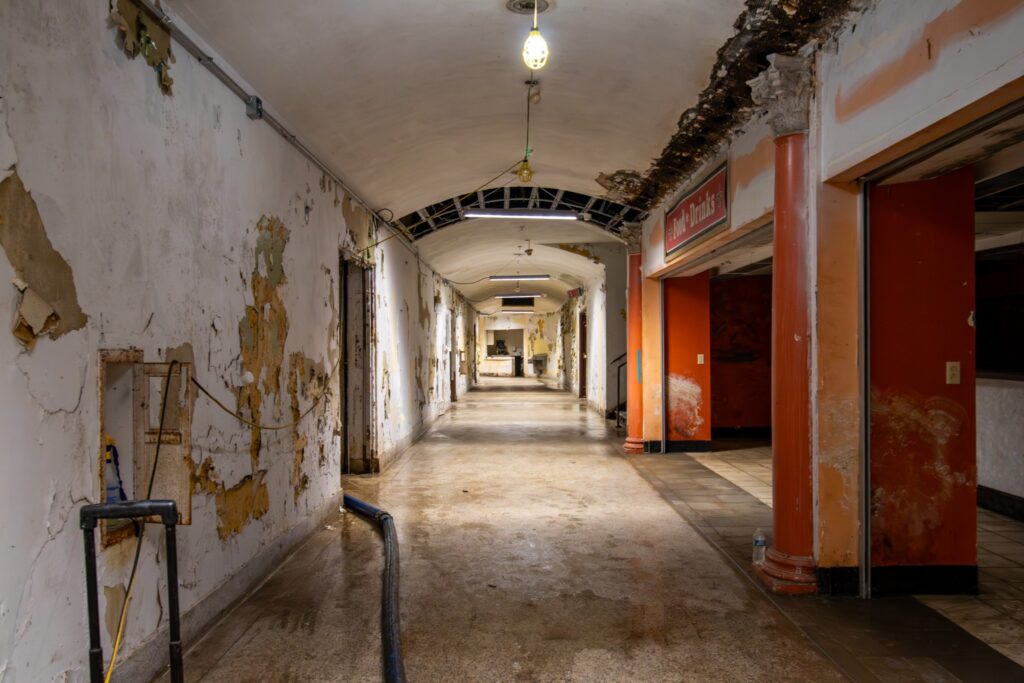
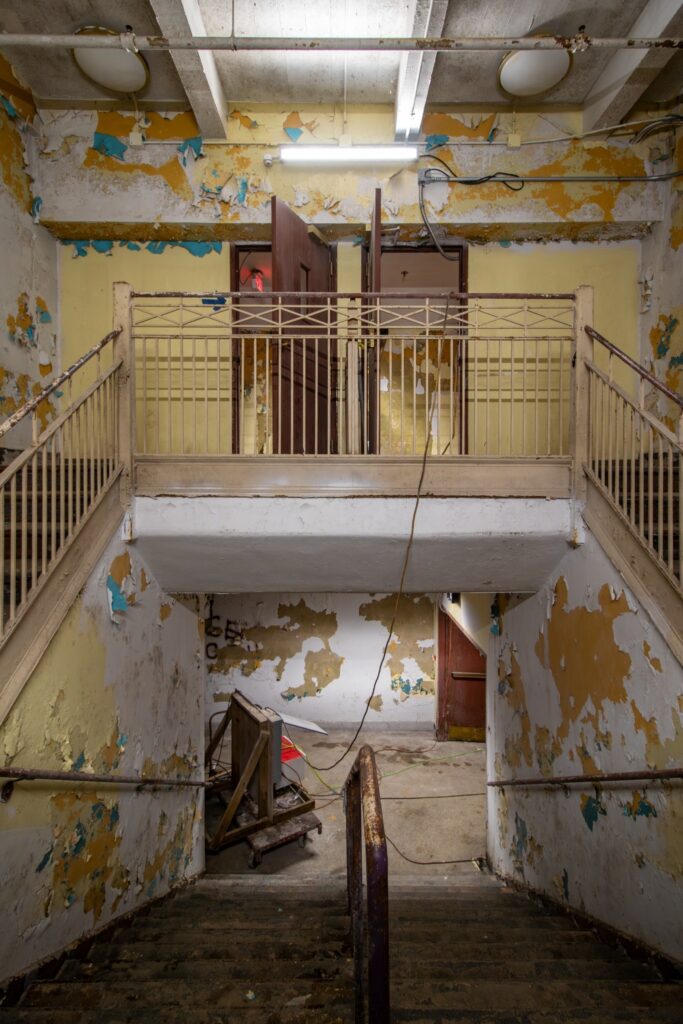
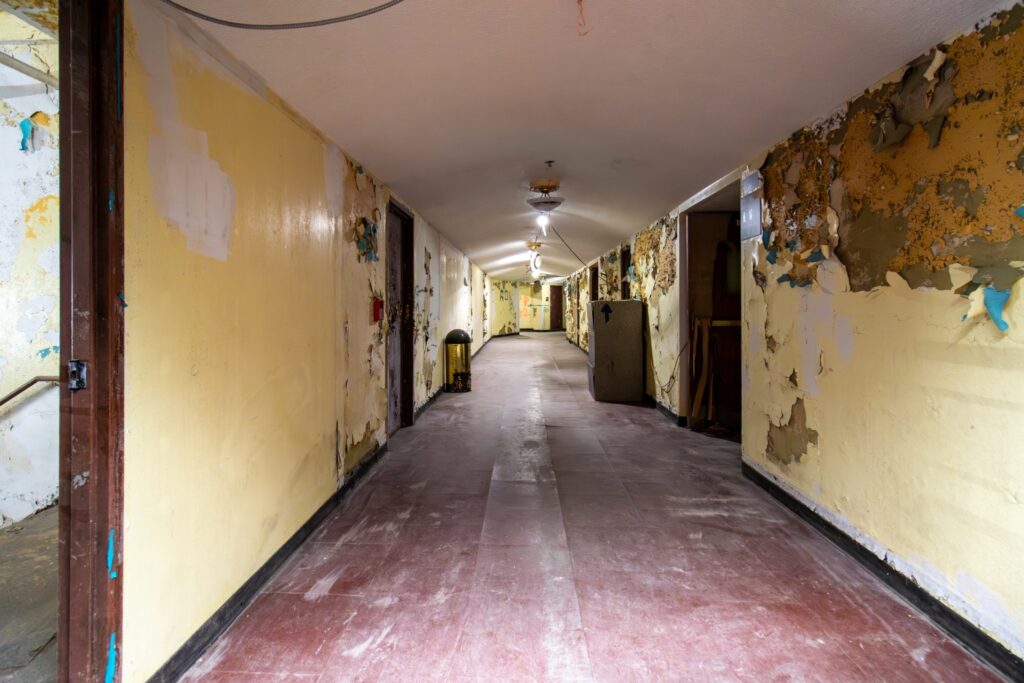
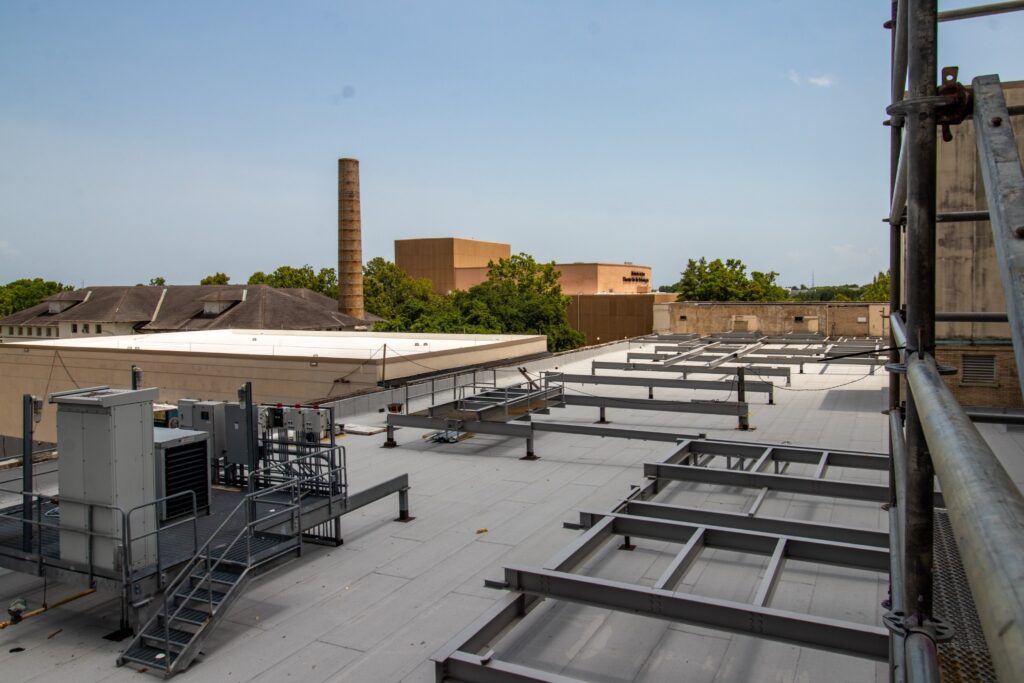
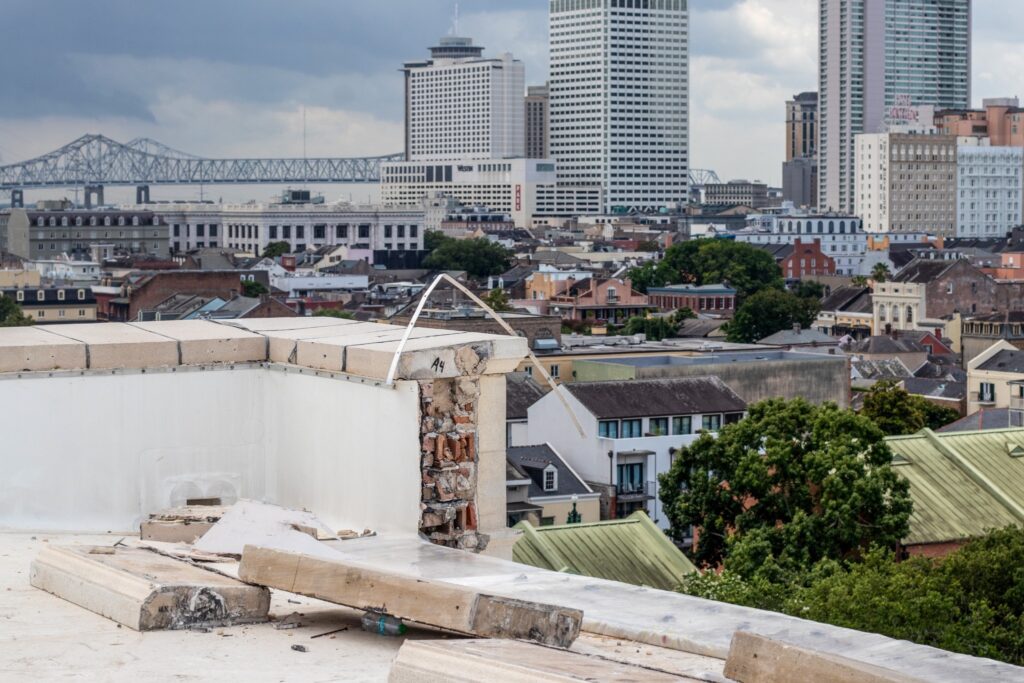
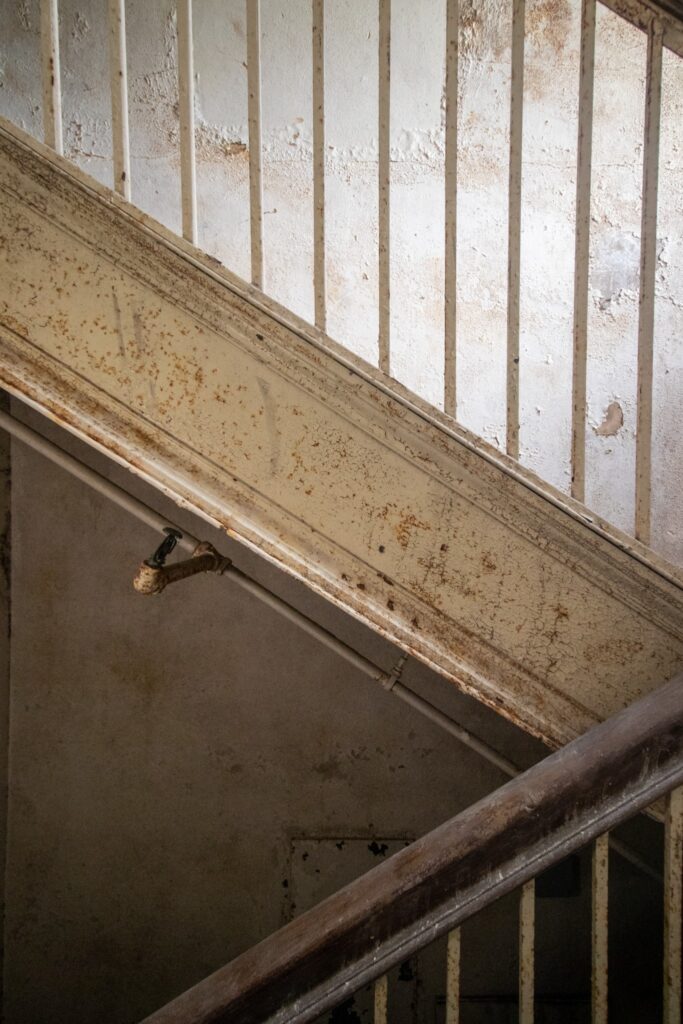
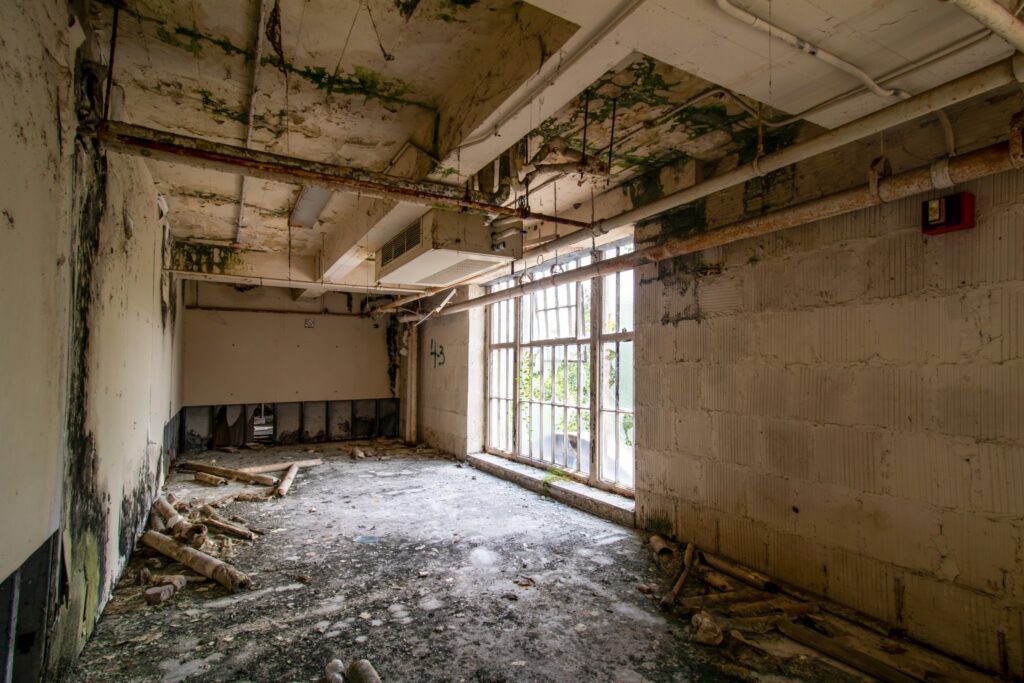
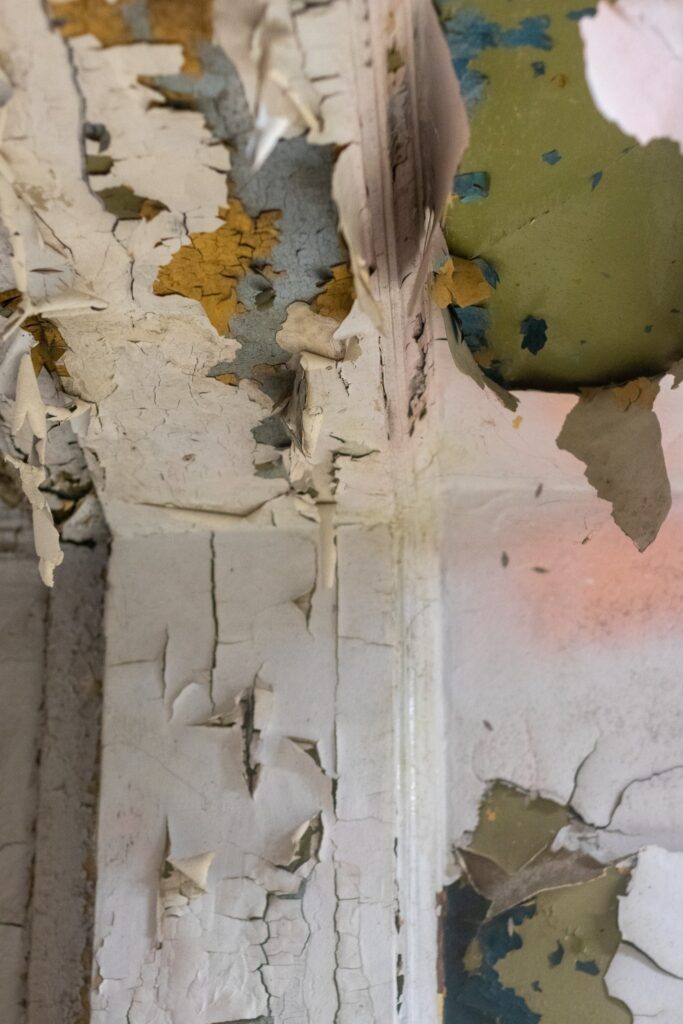
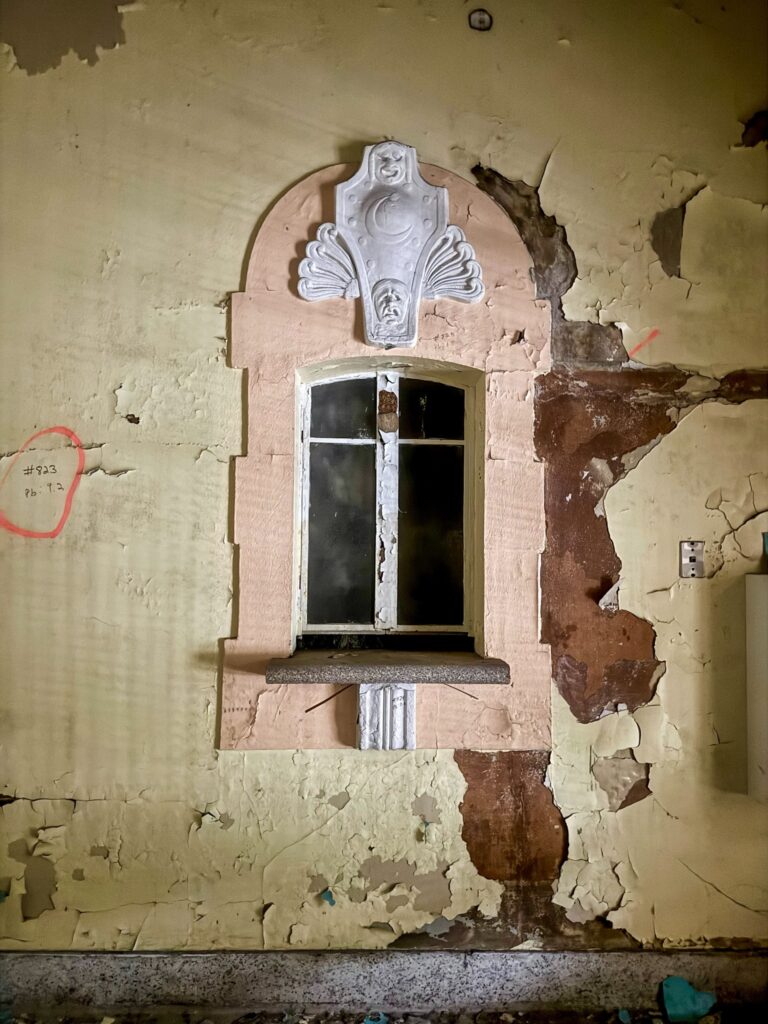
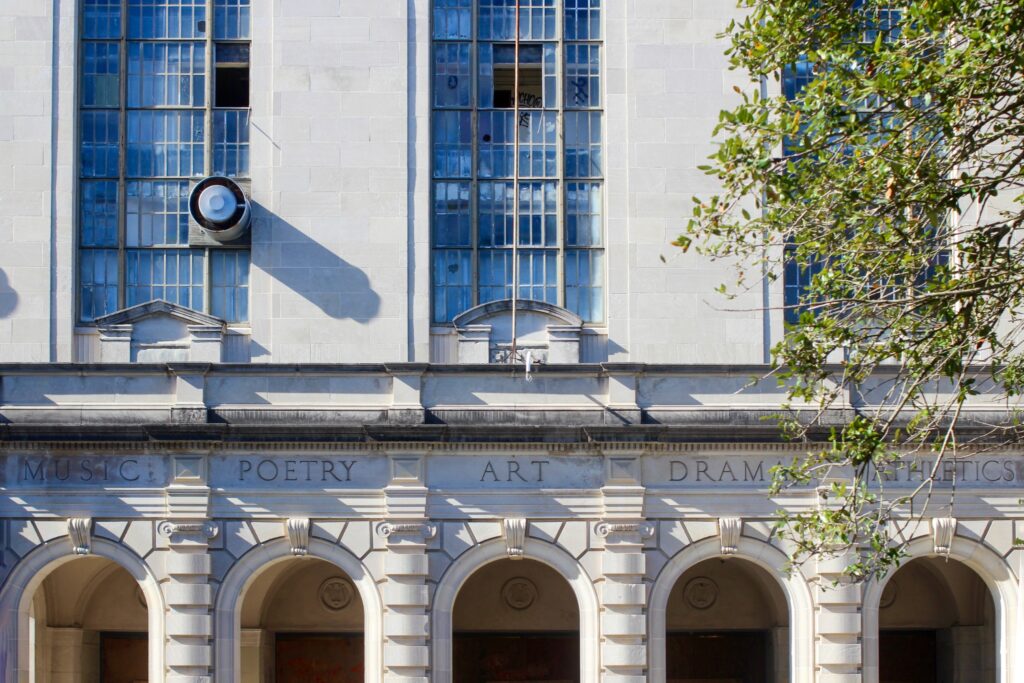
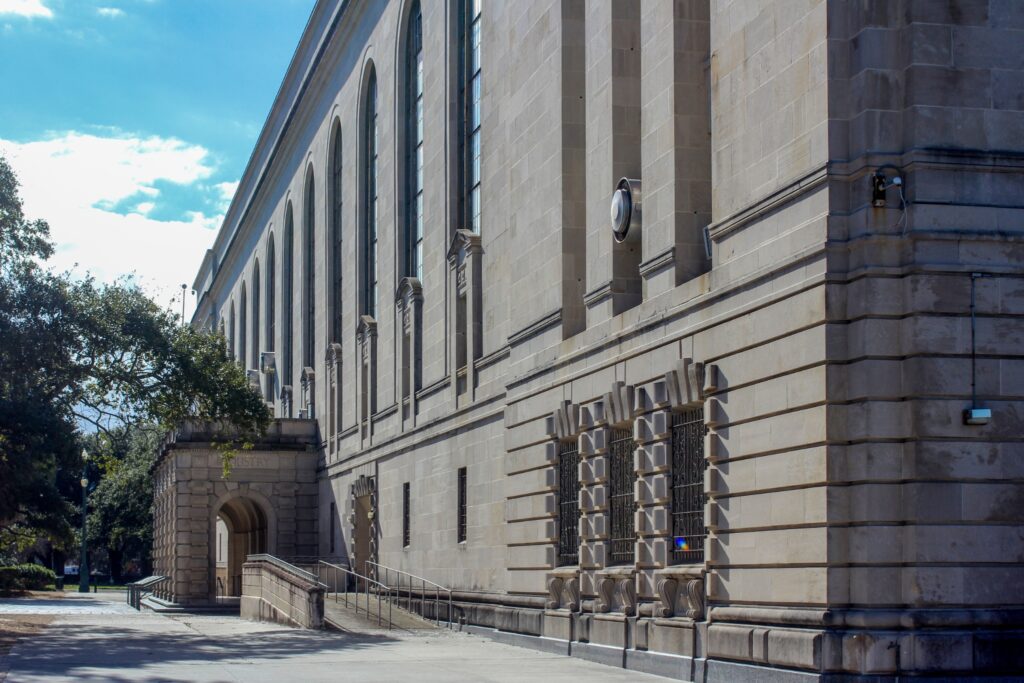
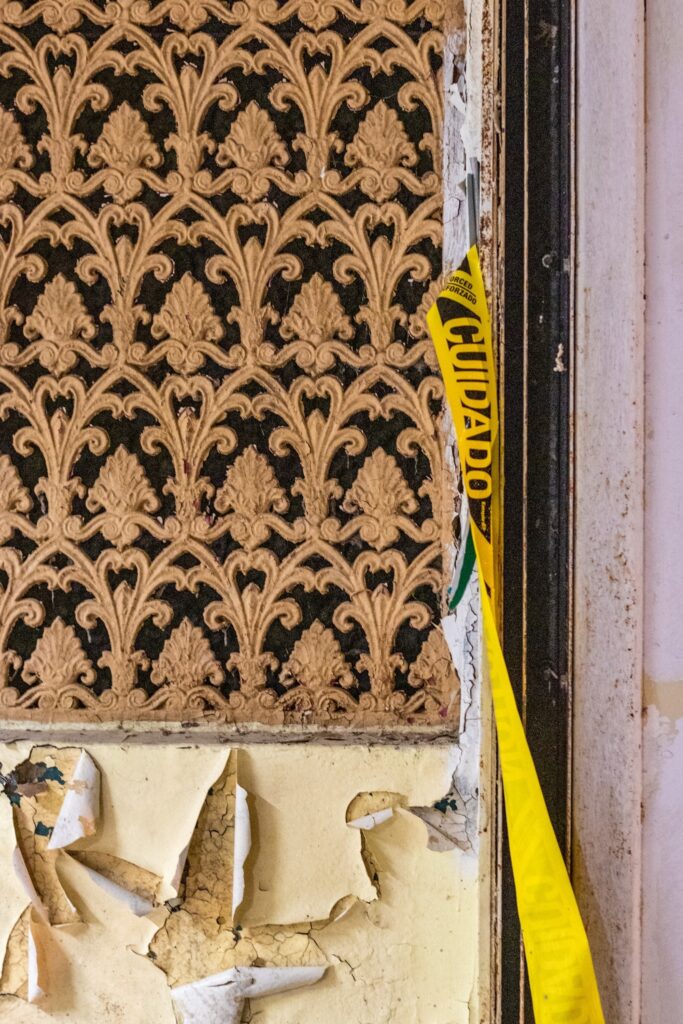
Photo by Liz Jurey
Photo by Liz Jurey
Photo by Liz Jurey
Photo by Liz Jurey
Photo by Liz Jurey
Photo by Liz Jurey
Photo by Liz Jurey
Photo by Liz Jurey
Photo by Liz Jurey
Photo by Liz Jurey
Photo by Liz Jurey
Photo by Liz Jurey
Photo by Liz Jurey
Photo by Liz Jurey
Photo by Liz Jurey
Photo by Liz Jurey
Photo by Liz Jurey
Photo by Liz Jurey
But there was a catch: The city had to spend the money by the end of 2025. It did not make that deadline.
New Orleans has applied for an extension and is awaiting word from FEMA. “We remain optimistic,” Nelson said, “now that we have projects bid and have started construction. … We’re prepared to move as quickly as we’re able to get approval.”
If the agency does not grant the extension, the city will have to come up with other sources to underwrite the work, which Moreno has described as vital.
“The people of this city have really waited long enough for progress in a variety of different projects, including this one,” Moreno said. “It’s a long time coming, but we’re going to get it done.”
The goal of all this work, Nelson said, is to make the building ready for whatever it may become.
To avoid the outrage that erupted when Mayor LaToya Cantrell, Moreno’s predecessor, proposed moving City Hall into the building, a committee will gather community input to determine the auditorium’s future role. Its leaders are the Greater New Orleans Foundation and the Save Our Soul Coalition, an organization dedicated to preserving the cultural legacy of Tremé and Congo Square, which adjoins the auditorium in Armstrong Park.
Moreno, who spoke fondly of a Lenny Kravitz concert she attended at the venue in the early 2000s, said the city is working with stakeholders to make sure the planning process includes community input into what the auditorium becomes.
“My goal is to ensure that Municipal Auditorium becomes that place that people of New Orleans will be excited about and that, whatever it becomes, that the community is, ultimately, really enthusiastic about coming here.”
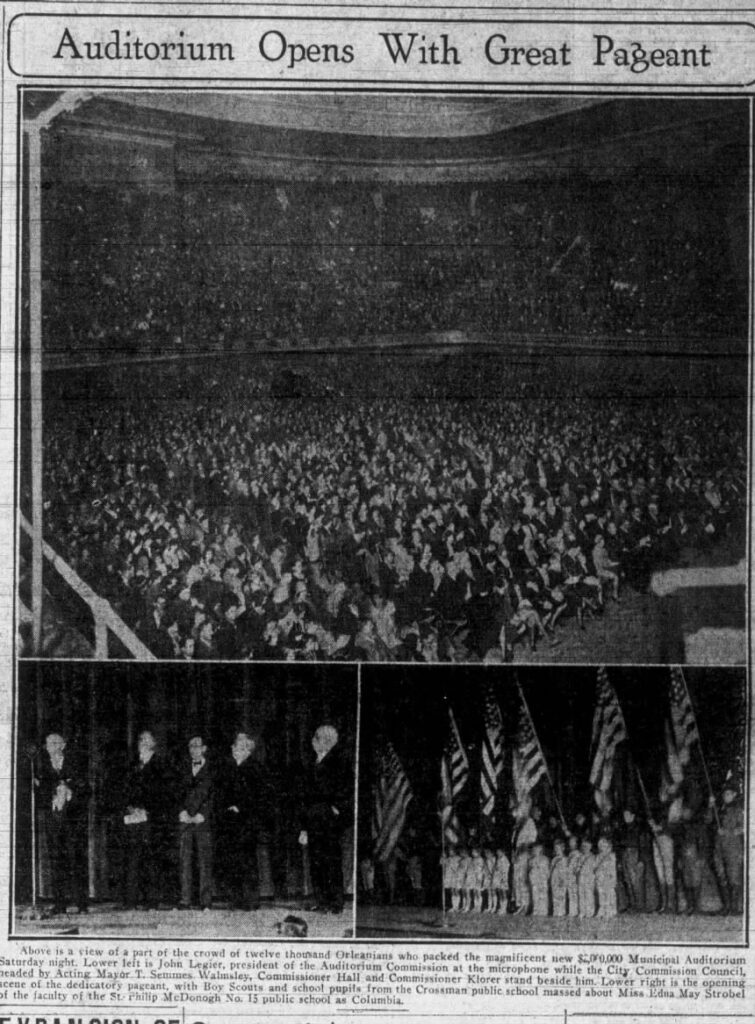
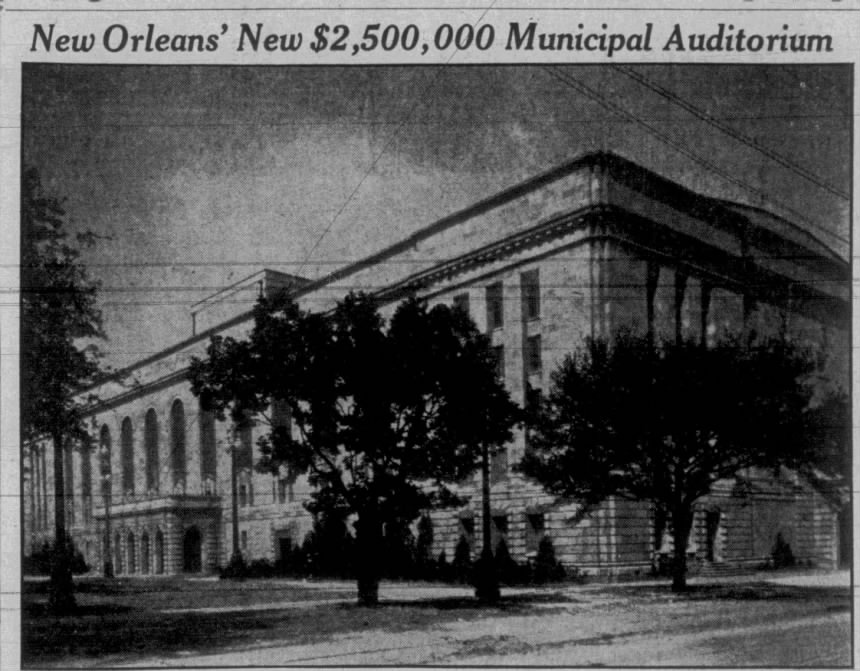

Article from Jan 19, 1930, New Orleans States.
Article from May 30, 1930 The Times-Picayune.
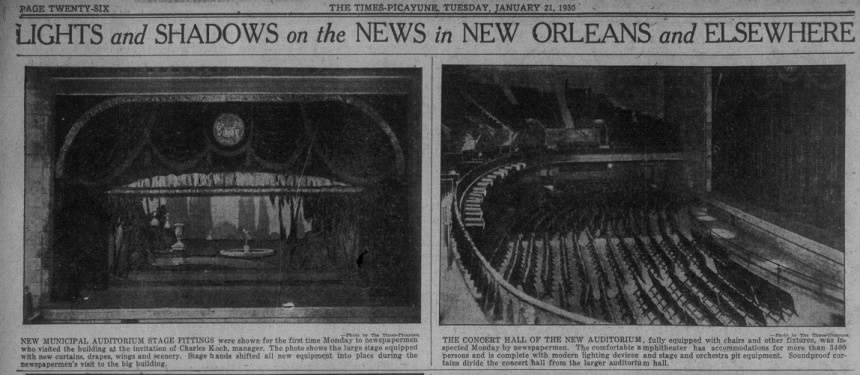
Article from Jan 21, 1930, The Times-Picayune
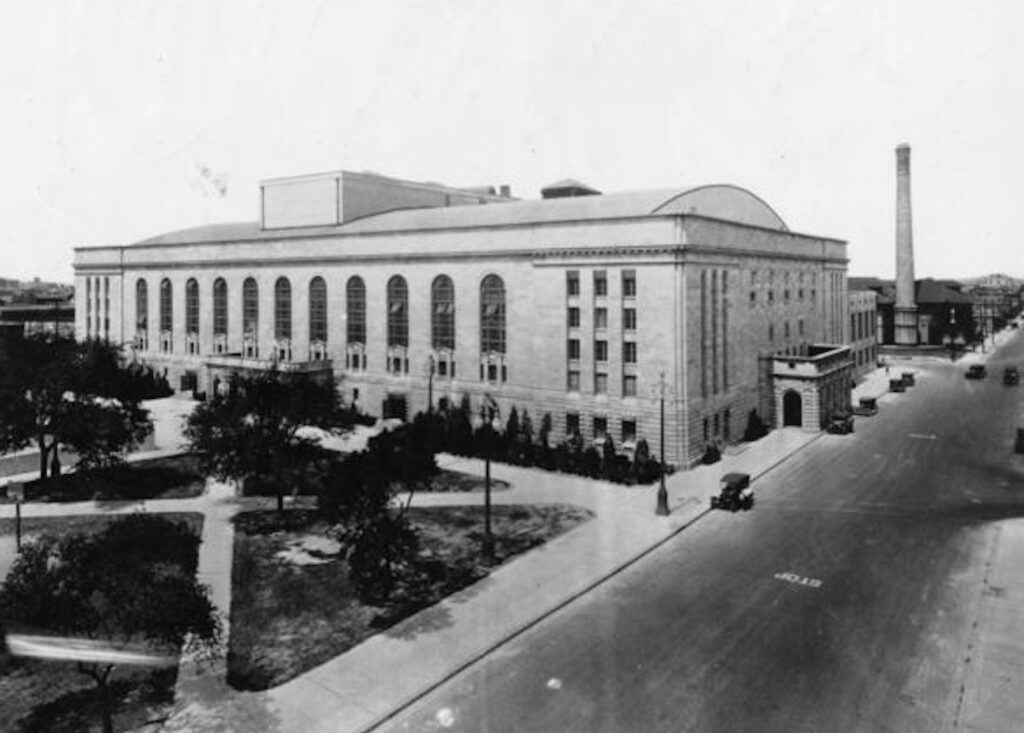
Photo courtesy of the State Library of Louisiana
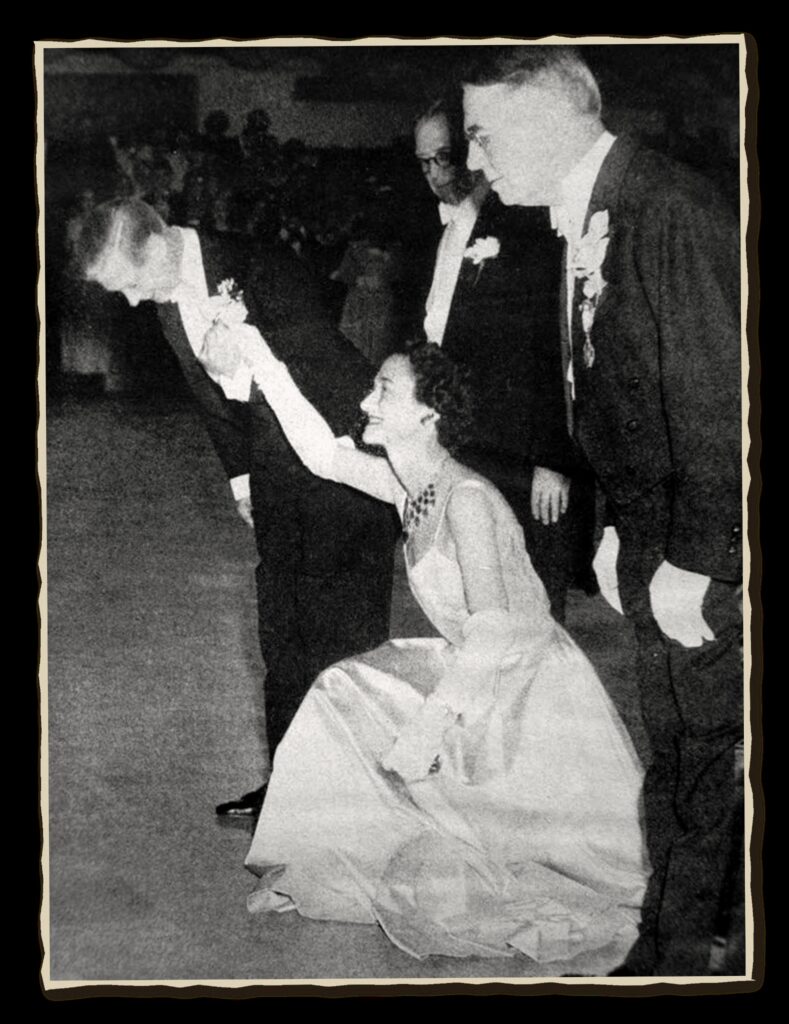
1950: The Duke and Duchess of Windsor delight New Orleans bluebloods Feb. 21 by bowing and curtsying, respectively, to make-believe monarchs Rex and Comus. Photo courtesy of Times Picayune | New Orleans Advocate
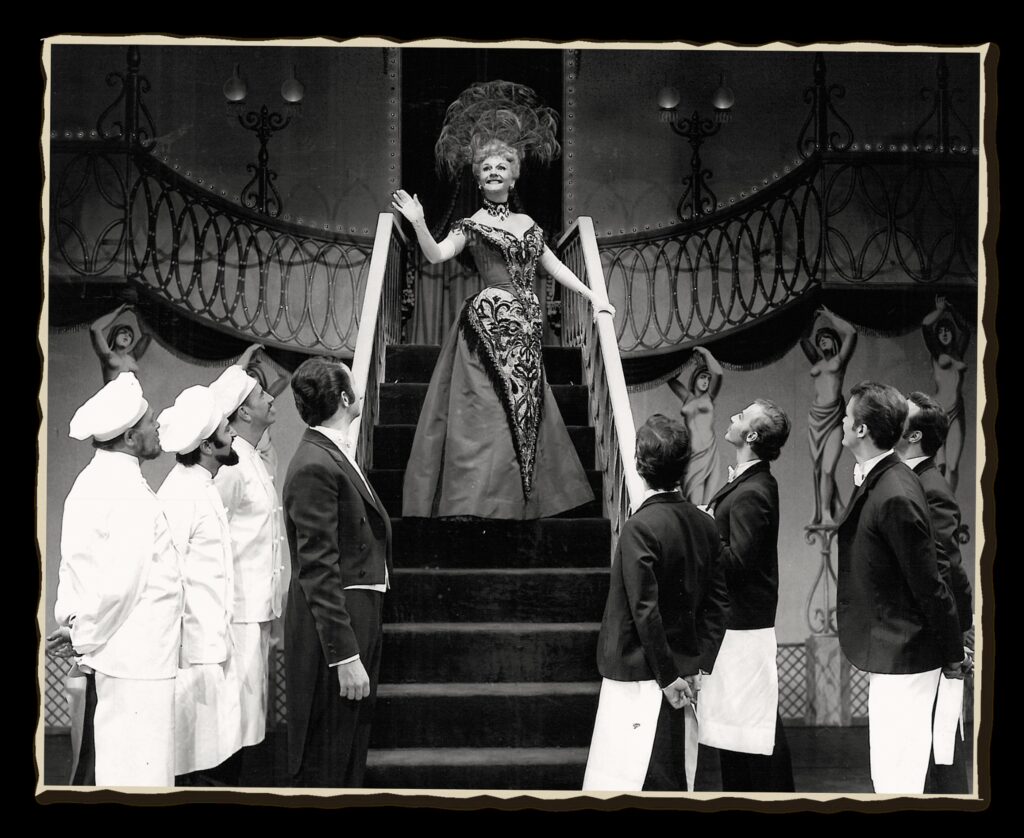
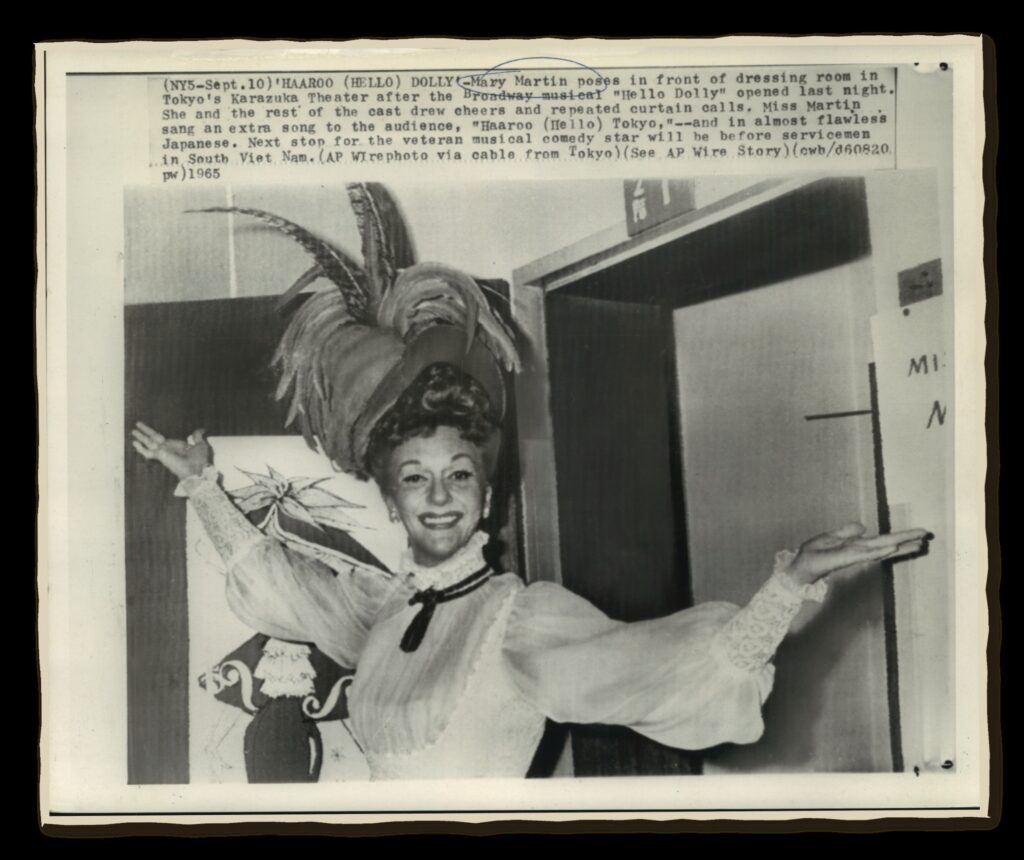
1965: Broadway legend Mary Martin charms sold-out audiences as she headlines an engagement of “Hello, Dolly!” May 11-16. Photo courtesy of Times Picayune | New Orleans Advocate
1965: Broadway legend Mary Martin charms sold-out audiences as she headlines an engagement of “Hello, Dolly!” May 11-16. Photo courtesy of Times Picayune | New Orleans Advocate
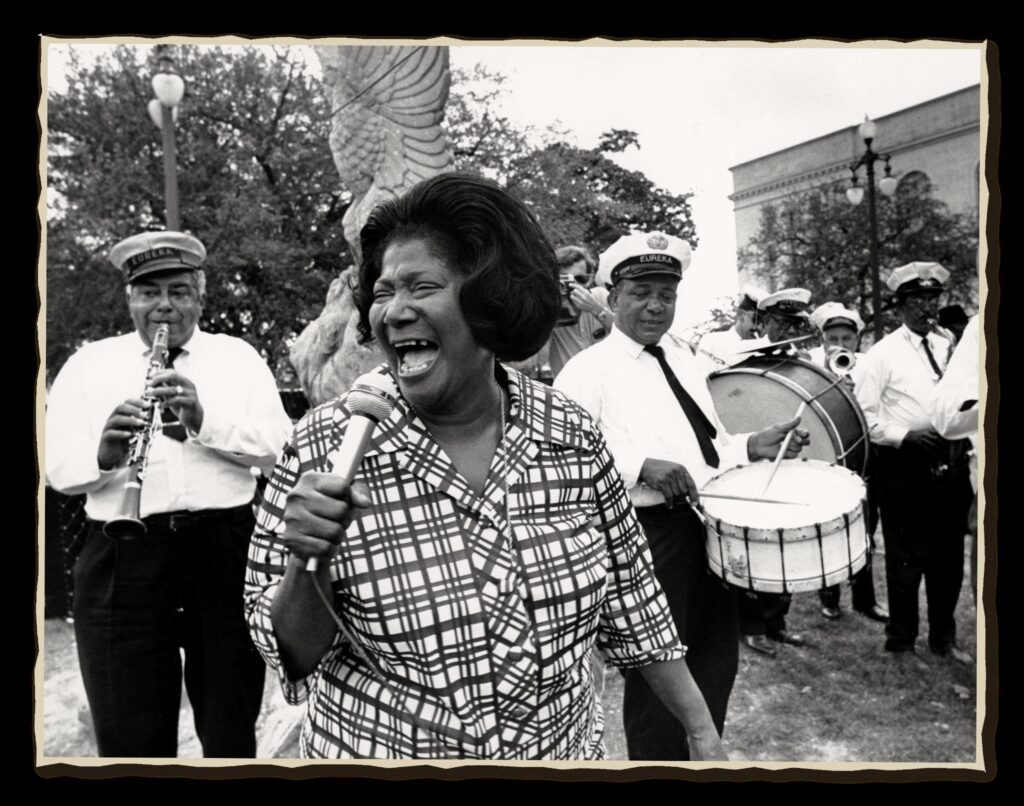
1970: Mahalia Jackson at First New Orleans Jazz & Heritage Festival. Photo courtesy of Times Picayune | New Orleans Advocate
1975: Bruce Springsteen and the E Street Band make their auditorium debut Sept. 6. Photo courtesy of Times Picayune | New Orleans Advocate
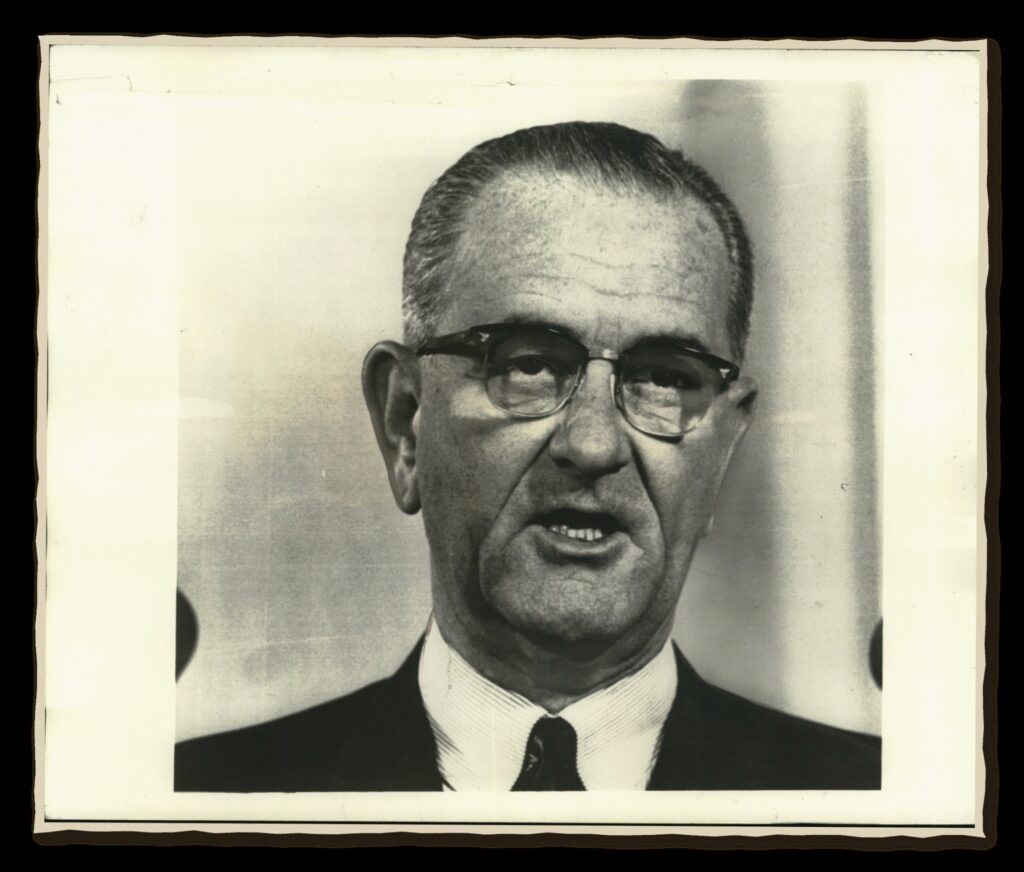
Lyndon B. Johnson signed the Civil Rights Bill into law, thereby guaranteeing equal access to all to auditorium events.. Photo courtesy of Times Picayune | New Orleans Advocate
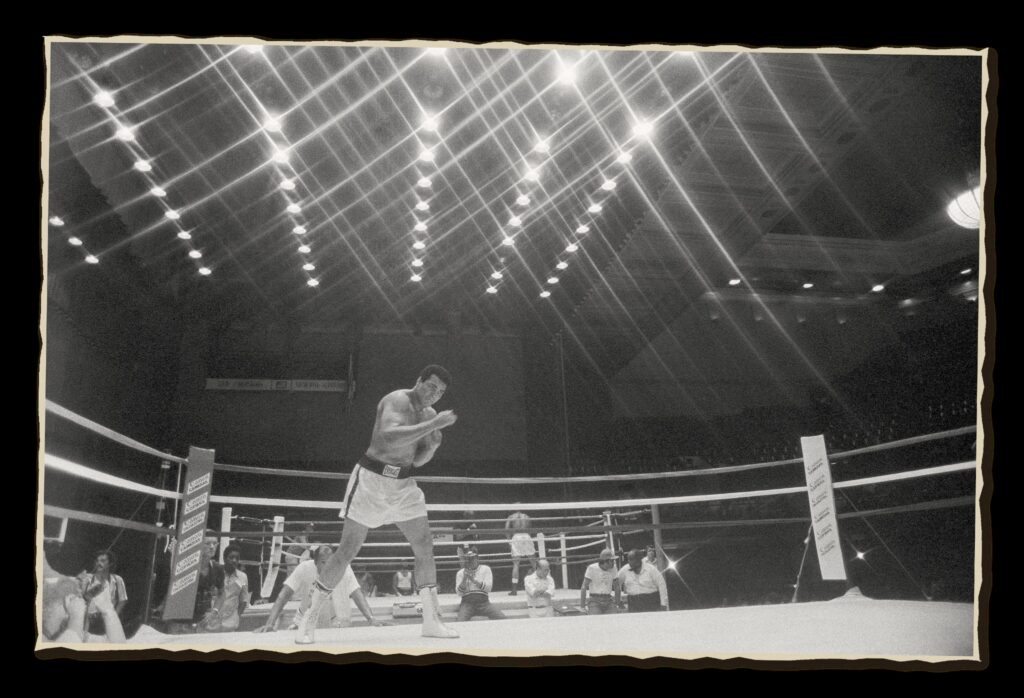
1978: Muhammad Ali and Leon Spinks hold a series of public workouts in the auditorium in preparation for their Sept. 15 heavyweight title fight in the Superdome. Ali wins. Photo courtesy of Times Picayune | New Orleans Advocate
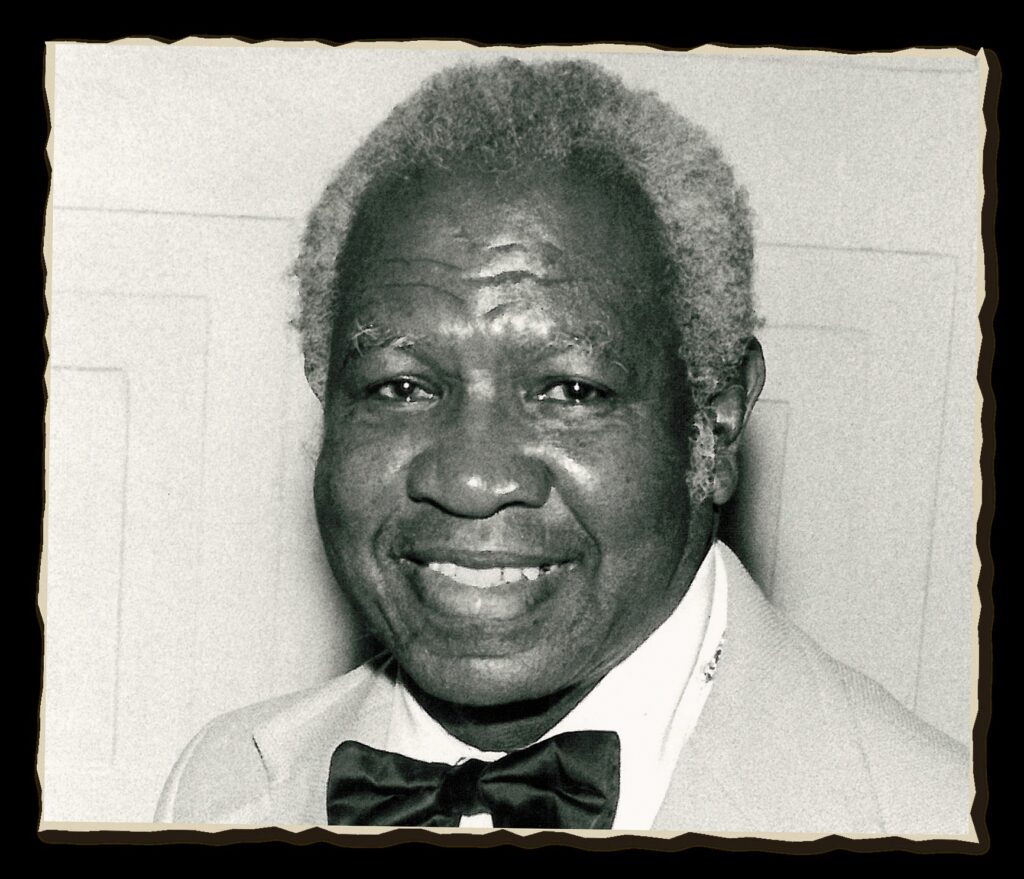
1994: The building is officially renamed to honor Morris F.X. Jeff Sr., who organized recreational programs for Black children when segregation was in force. Photo courtesy of Times Picayune | New Orleans Advocate
1997-99: The New Orleans Brass, a minor-league hockey team, plays in the auditorium. Photo courtesy of Times Picayune | New Orleans Advocate
Photo courtesy of the Times Picayune.
In the Coker Room, the Chandeliers Still Hang
The Coker Room was added to Municipal Auditorium in 1956. The upstairs space was named for William “Bill” Coker, who had been the auditorium’s general manager for eight years.
In its heyday, the room was a prime venue for dances, receptions and banquets. Countless Carnival krewes used it for photo opportunities and receptions before heading downstairs to their balls.
Hurricane Katrina laid waste to it. The room, where nothing seems to have been touched since the 2005 storm, looks like a place where the mad Miss Havisham would feel at home in “Great Expectations”: Drapes are askew, big chunks have fallen from the ceiling, and weeds grow up through the floor.
But in the midst of the squalor, three massive chandeliers still hang from the ceiling, as if nothing had happened.
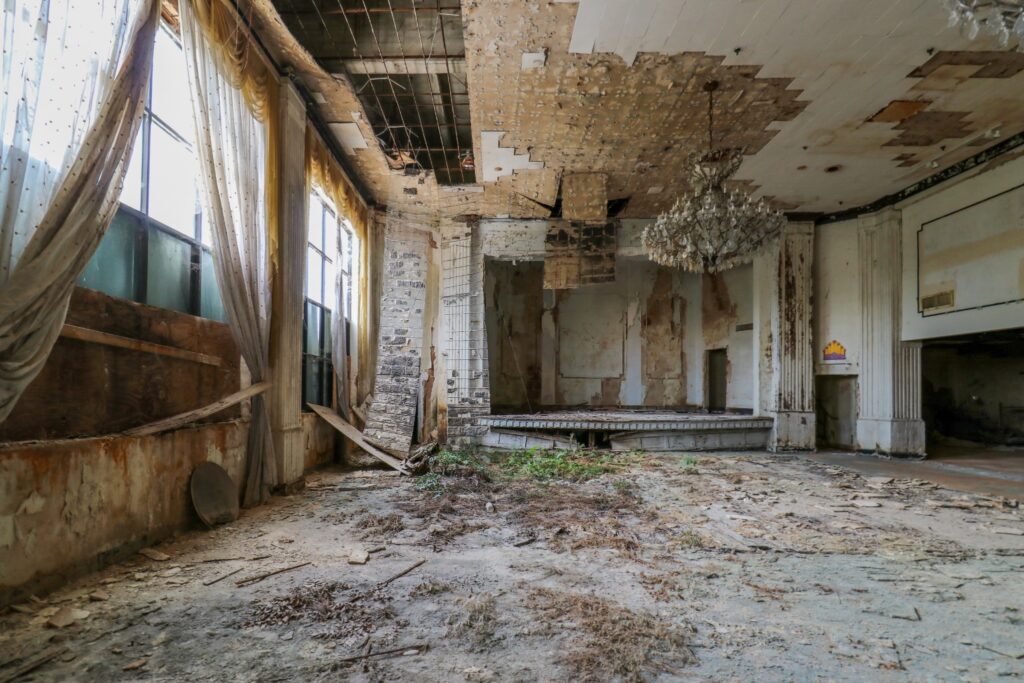
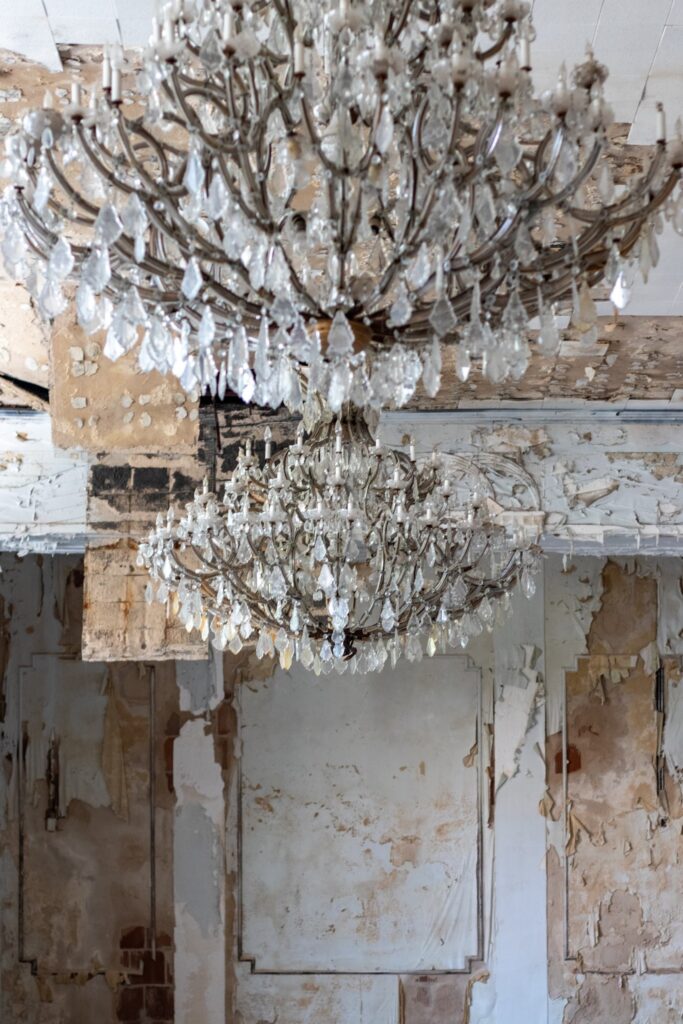
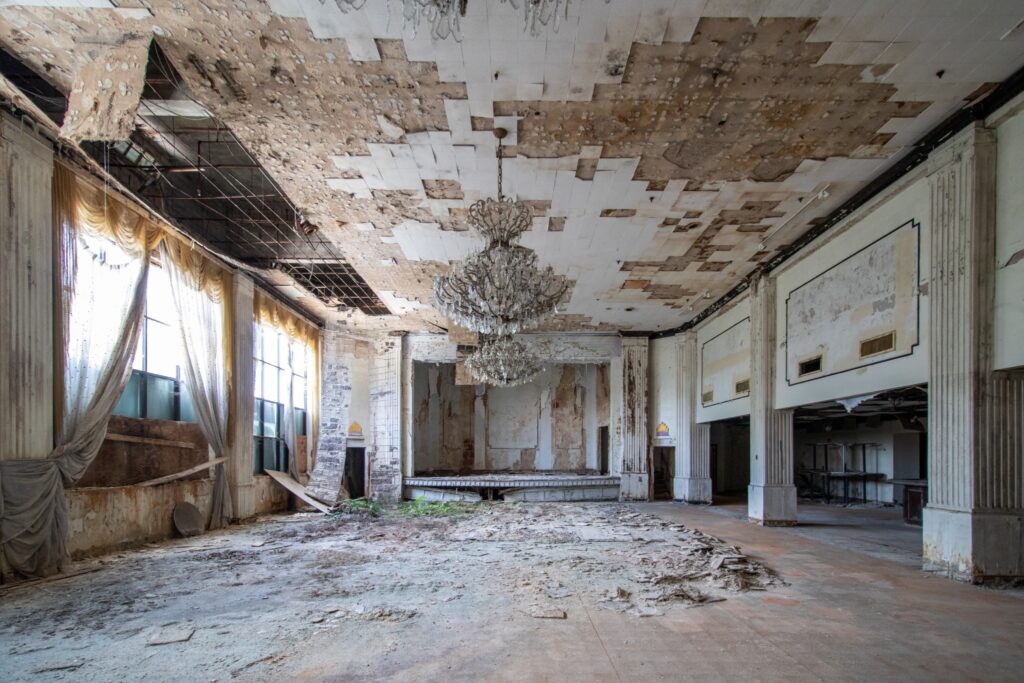
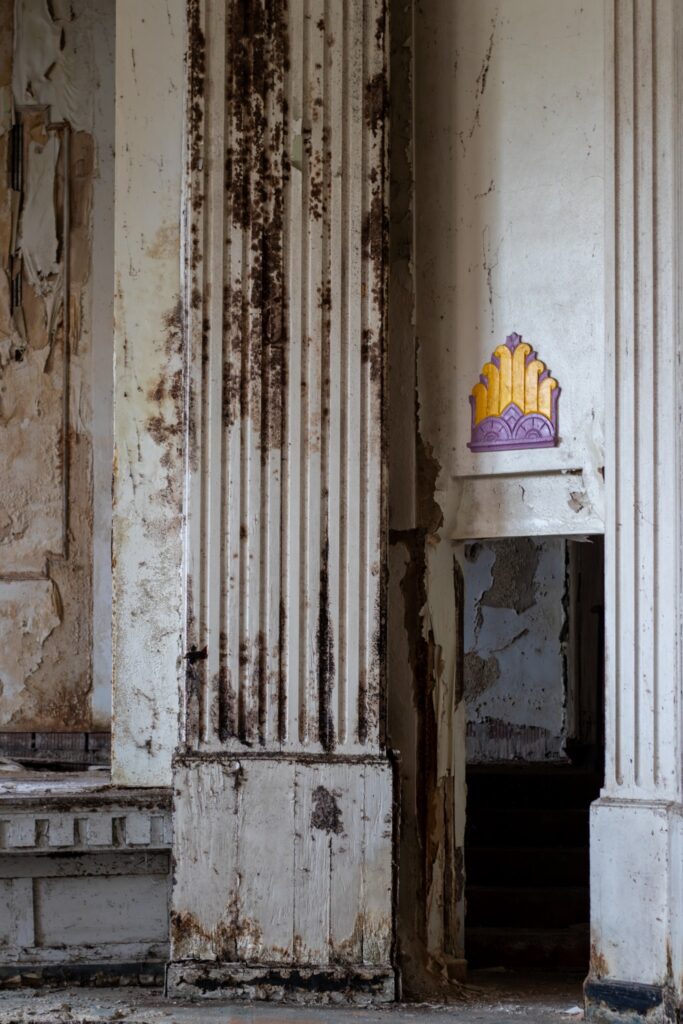
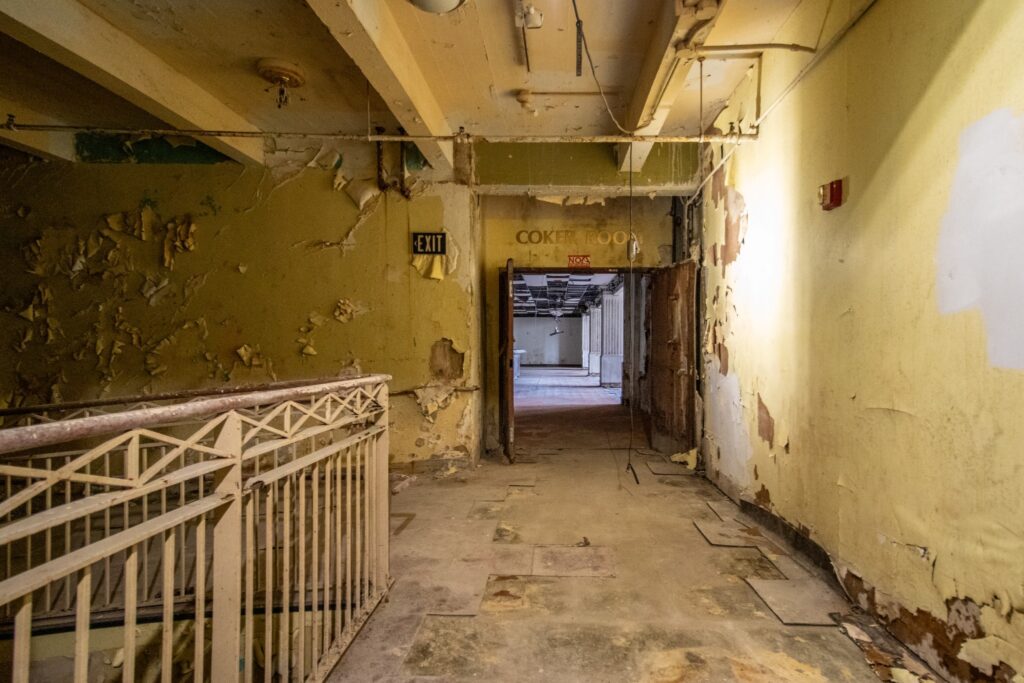
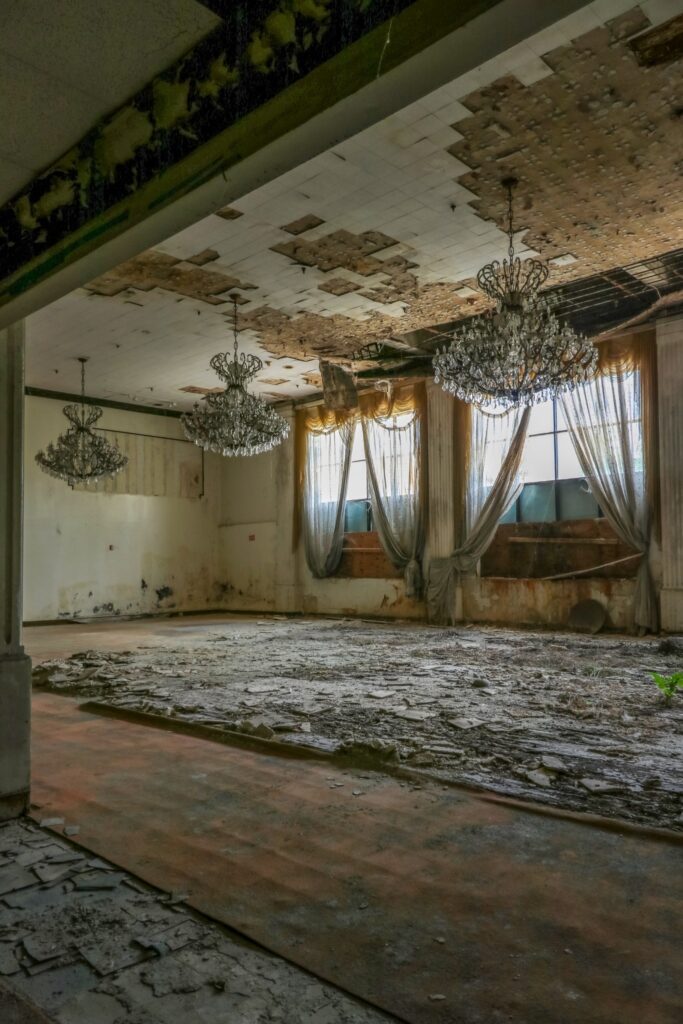
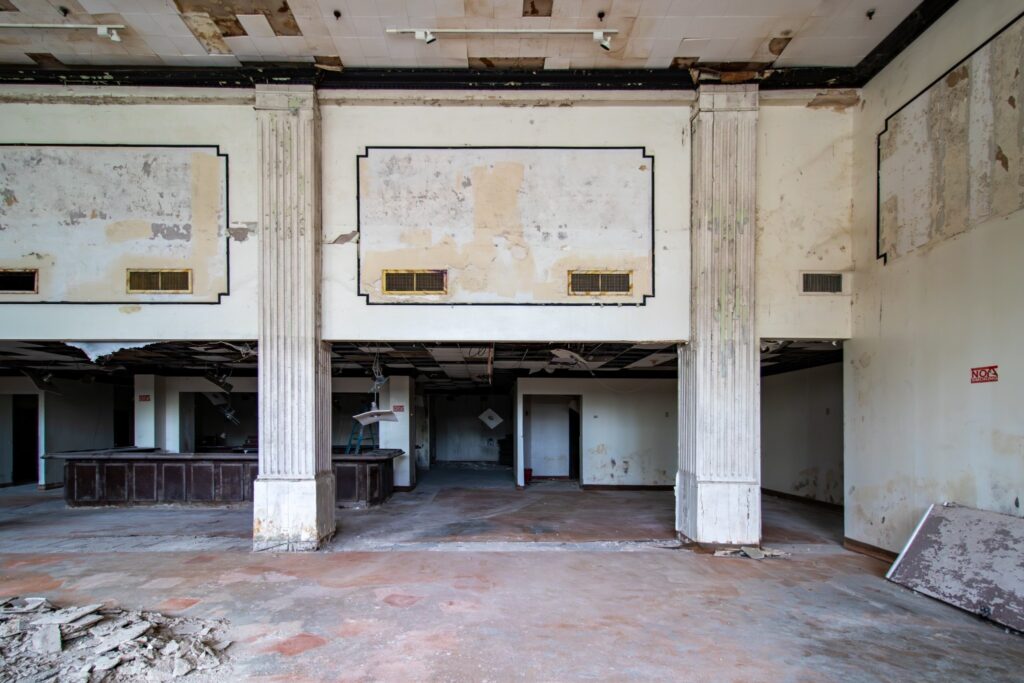
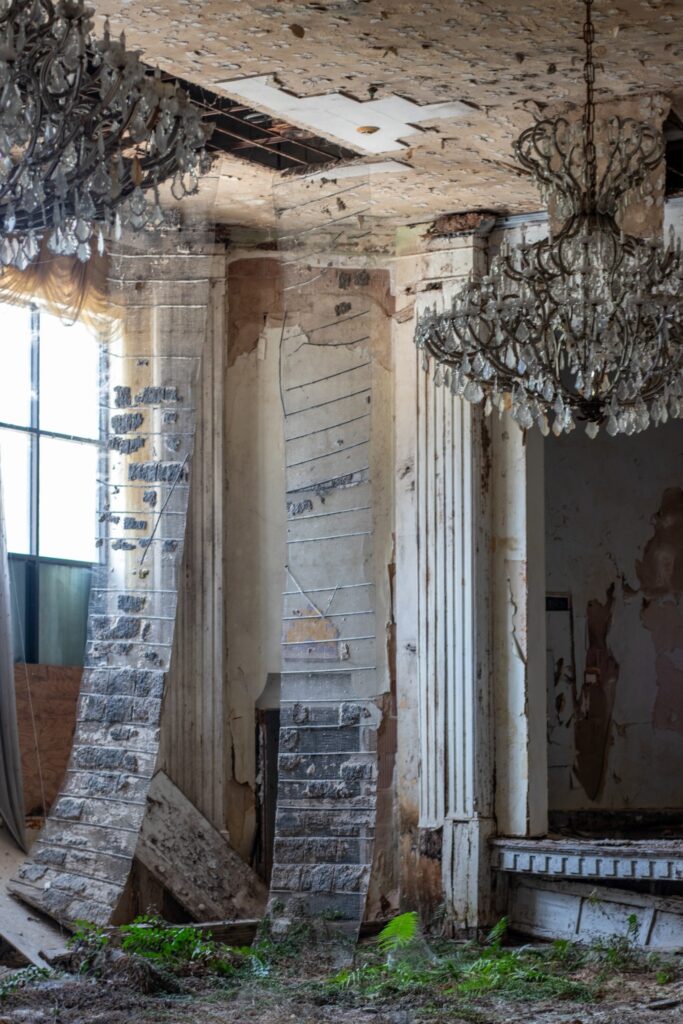
Photo by Liz Jurey
Photo by Liz Jurey
Photo by Liz Jurey
Photo by Liz Jurey
Photo by Liz Jurey
Photo by Liz Jurey
Photo by Liz Jurey
Photo by Liz Jurey