



New Orleans needs a City Hall that works for its residents and employees. As the city considers the future of its municipal complex, PRC is urging it to renovate the existing building and make sustainability a priority.
Mayor Helena Moreno and her administration have convened the Municipal Complex Advisory Committee to review options and recommend a process for developing a municipal complex that includes City Hall and Civil District Court. The committee plans to meet nine times between August and December 2026.
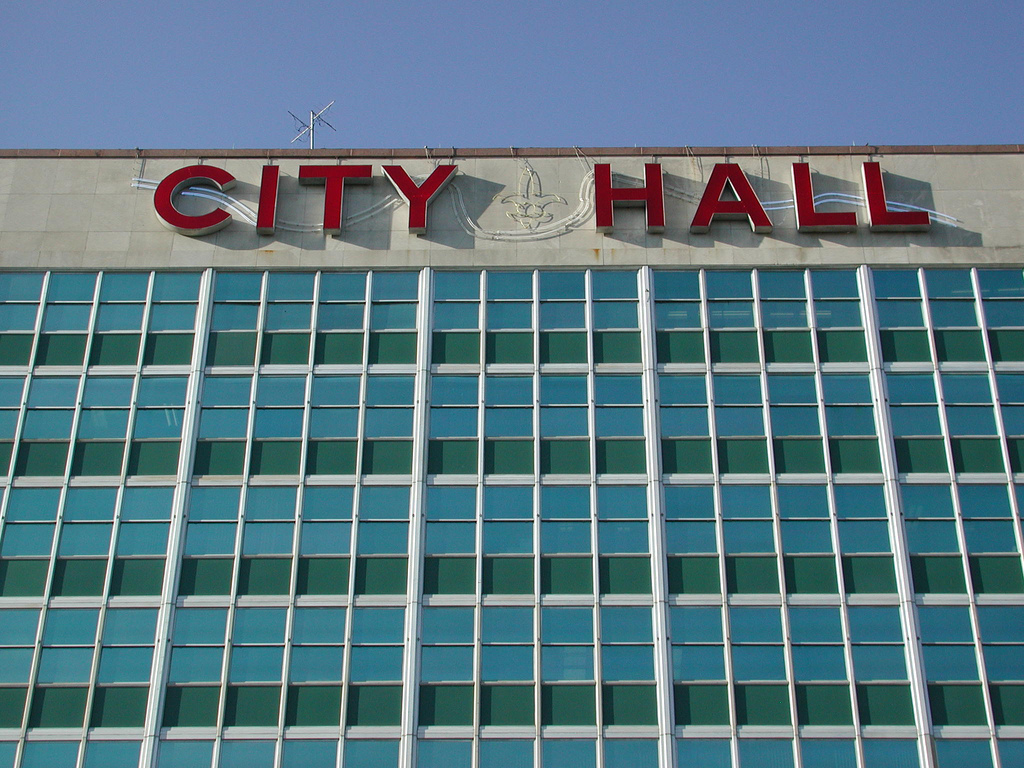
At the Committee’s Sept. 1 meeting, PRC spoke in favor of renovating the existing City Hall. After nearly 70 years, the building’s systems and infrastructure have reached the end of their useful lifespan. The city and its employees deserve better than the conditions they face today.
Why the existing location still makes sense
Those problems do not erase the building’s advantages. City Hall sits near major transportation routes, hospitals, parking garages, the library, the biomedical district and public green space where employees and residents can gather.
The 1957 building is structurally sound and an important example of modern architecture in New Orleans. In the years after World War II, it represented a vision of civic progress. Its location and the opportunity to reuse it make renovation the most viable option for the future.
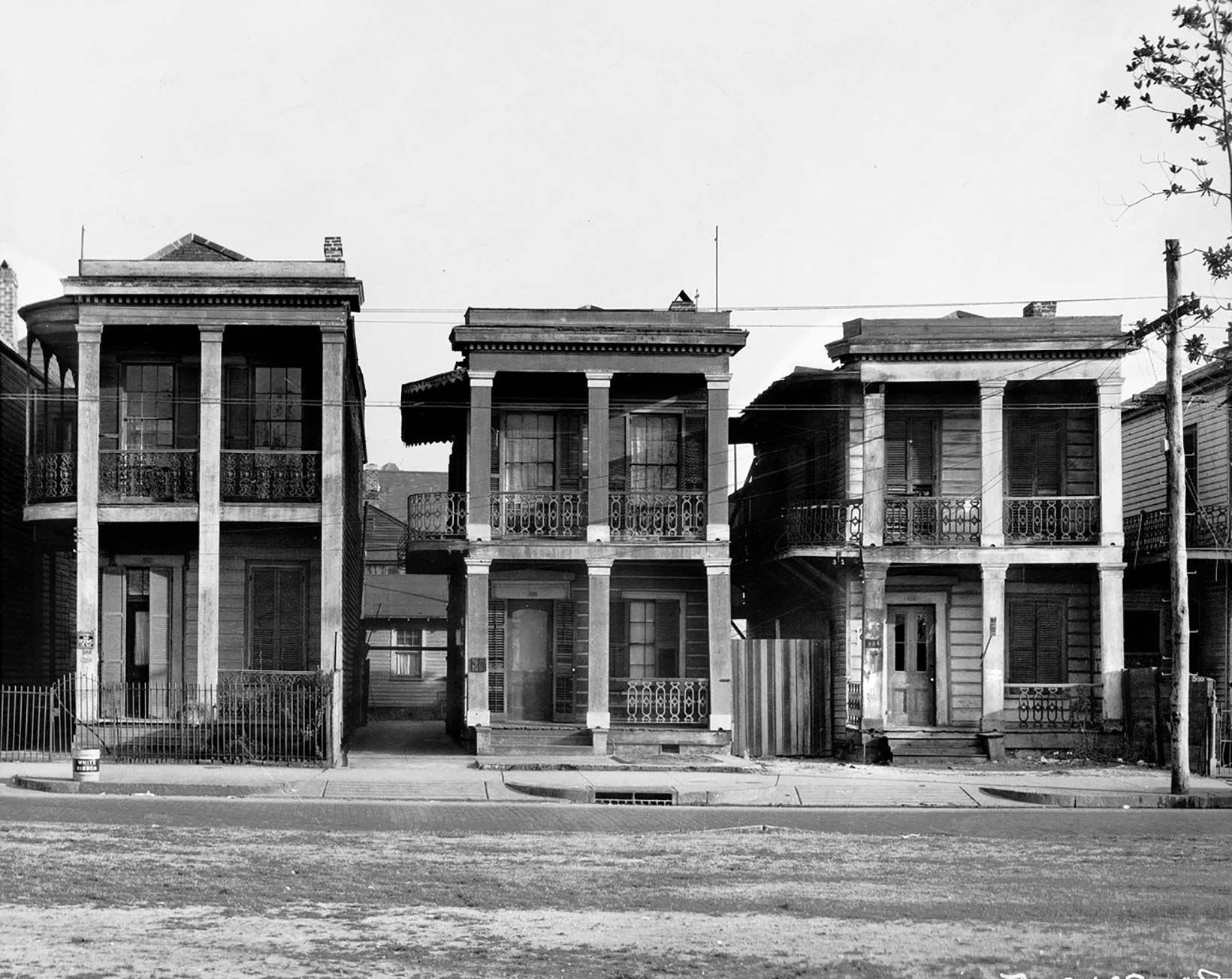
A historic neighborhood was destroyed in the 1950s to make way for the government complex and Duncan Plaza. This time, New Orleans can choose reuse, taking advantage of the existing building while addressing a new set of challenges.
The committee has an opportunity to reimagine the complex around environmental stewardship, climate resilience, stormwater management, large-scale blight reduction, public engagement and sustainable maintenance planning.
One possibility is to rework the Civil District Courts building at Poydras and Loyola avenues to house City Hall’s public-facing departments, increasing available space and accessibility. The courts could relocate to a more suitable facility.
Explore the financing, not just the footprint
PRC also looks forward to examining how state and federal historic tax credits could support rehabilitation. With an eligible project and financing structure, those credits could offset up to 45 percent of qualified construction costs. That potential depends on the applicable program requirements; it’s not a guaranteed contribution to a city-owned project.
There is a local precedent worth examining. After Hurricane Katrina, the New Orleans School Facility Finance Foundation partnered with the Recovery School District and Orleans Parish School Board on the School Facilities Master Plan. Using state and federal historic tax credits to renovate 10 schools generated $100 million in new equity.
Have a concept for the municipal complex?
The Municipal Complex Advisory Committee is accepting thoughtful, well-developed concepts for financing or delivering a new or renovated City Hall and Civil District Court, or a City Hall annex in New Orleans East.
Submit concepts by Oct. 1, 2026, to [email protected].