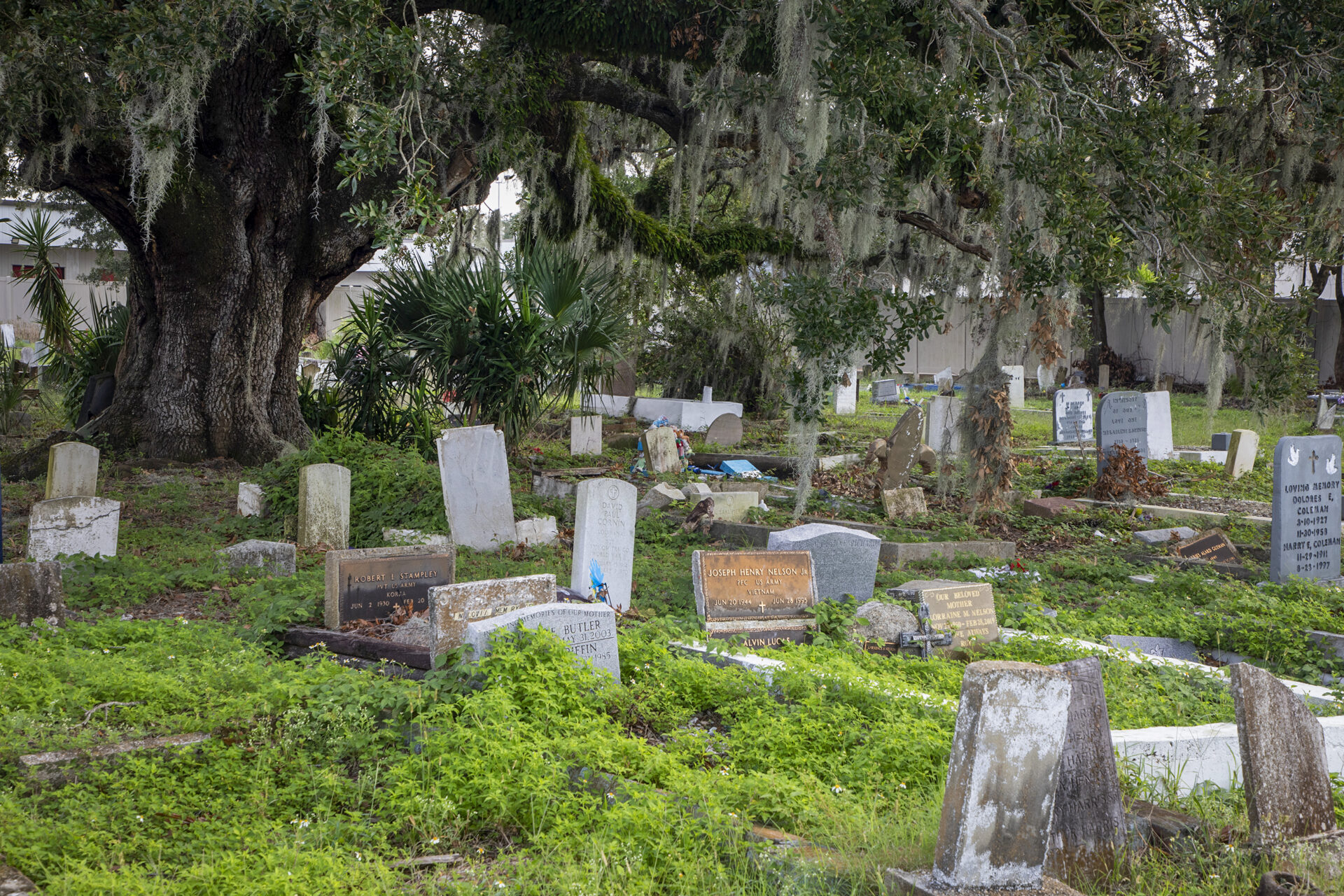

Standing in St. Louis Cemetery No. 2, it is impossible to separate its ongoing preservation from the people who made this place what it is. Established in 1823, the cemetery grew alongside New Orleans and holds entire generations of the city’s history in its tombs, built by the hands of skilled ironworkers, bricklayers and plasterers. The artistry preserved here invites us to ponder how these building skills survived and who carried them onward.
In graduate school, I researched the blacksmith network of antebellum New Orleans, which was dominated by free people of color until the mid-19th century. I became interested in the relationships that surrounded a craftsperson: apprentices, masters, sponsors, families, workshops and neighborhoods. Learning a trade was often embedded in community, where skill transmission only moved at the speed of trust. A young person could learn by working alongside someone who already knew the craft, and, over time, that knowledge could become a livelihood, a legacy or, for many, an avenue toward manumission.
Those pathways have largely disappeared. The reasons are complicated and deeply connected to the history of the trades themselves. Racial discrimination and economic exclusion restricted who could enter, own and benefit from skilled trades. The decline of public-school shop programs removed yet another point of entry. Expensive formal education increasingly became the expected route to professional success, while learning a craft through community or apprenticeship was pushed to the margins. The result has been a narrowing of access while the need for skilled tradespeople steadily grows.
Historian Jonn Hankins’ work in the early 2000s made the urgency clear. Hankins curated Raised to the Trade: Creole Building Arts of New Orleans at the New Orleans Museum of Art, documenting more than 50 Creole families whose knowledge and labor shaped the architecture of the city. The project captured what is often overlooked: the intangible, embodied knowledge carried through generations of craftspeople who made both the construction and continued care of our city possible.
When Hurricane Katrina hit, a vanishingly small fraction of those families remained in the city. In the years following the storm, displacement, loss and the aging of master craftspeople accelerated the breakdown of those building trade networks. Hankins would go on to co-found the New Orleans Master Crafts Guild with the goal of reviving traditional building trades and creating new pathways for apprenticeship.
Katrina exposed a lesson we preservationists cannot afford to ignore. When people are displaced, knowledge is displaced with them. When a master craftsperson dies without an apprentice, an entire body of knowledge can disappear. Preserving the built environment therefore means caring for something intangible too: the embodied knowledge required to repair, maintain and understand it.
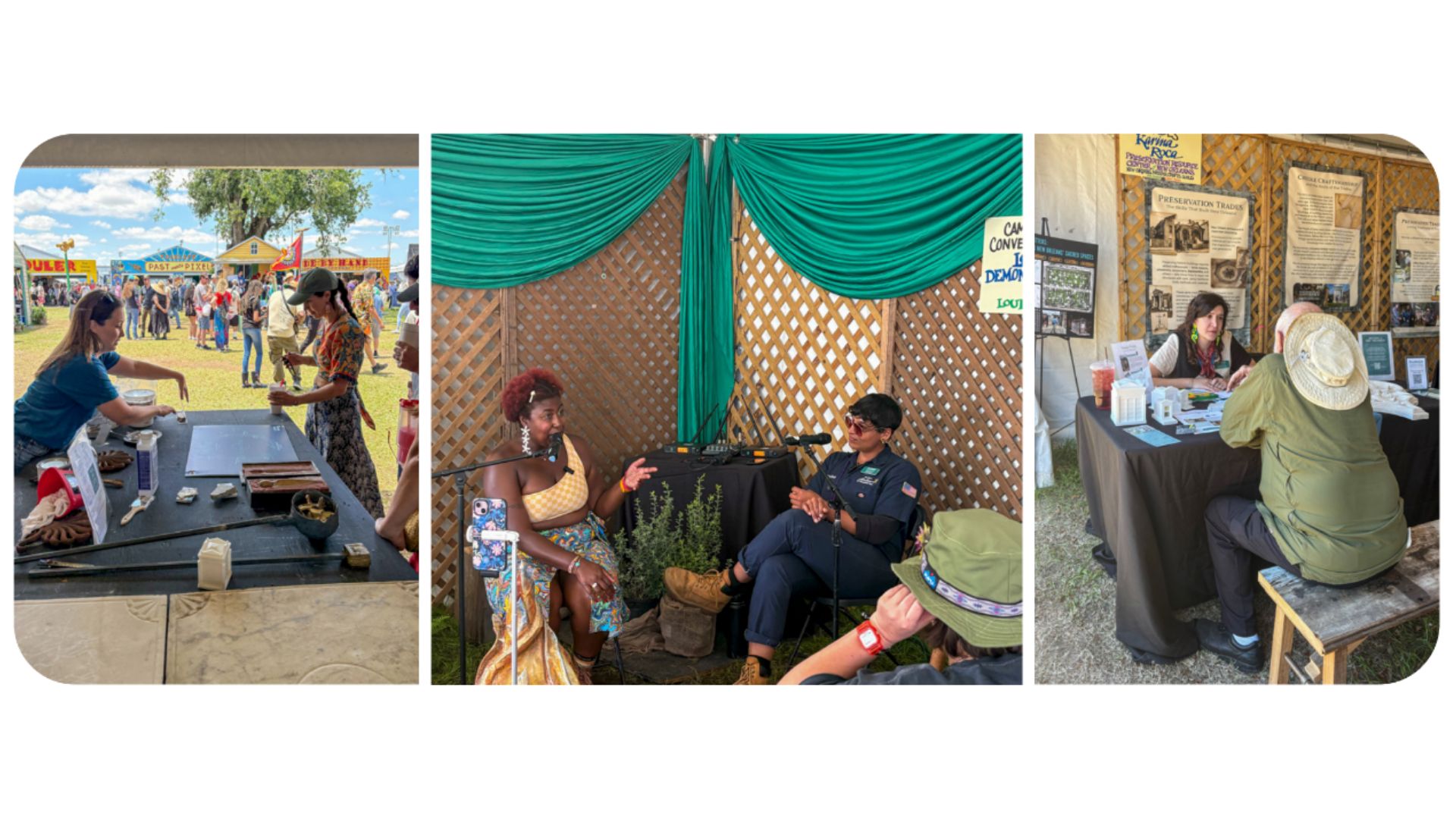
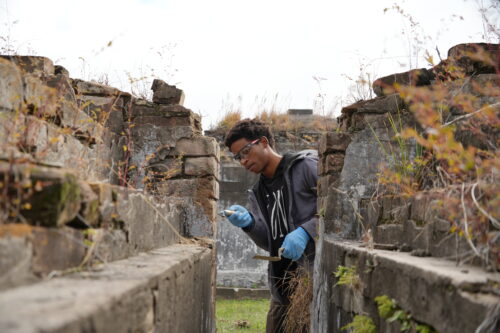
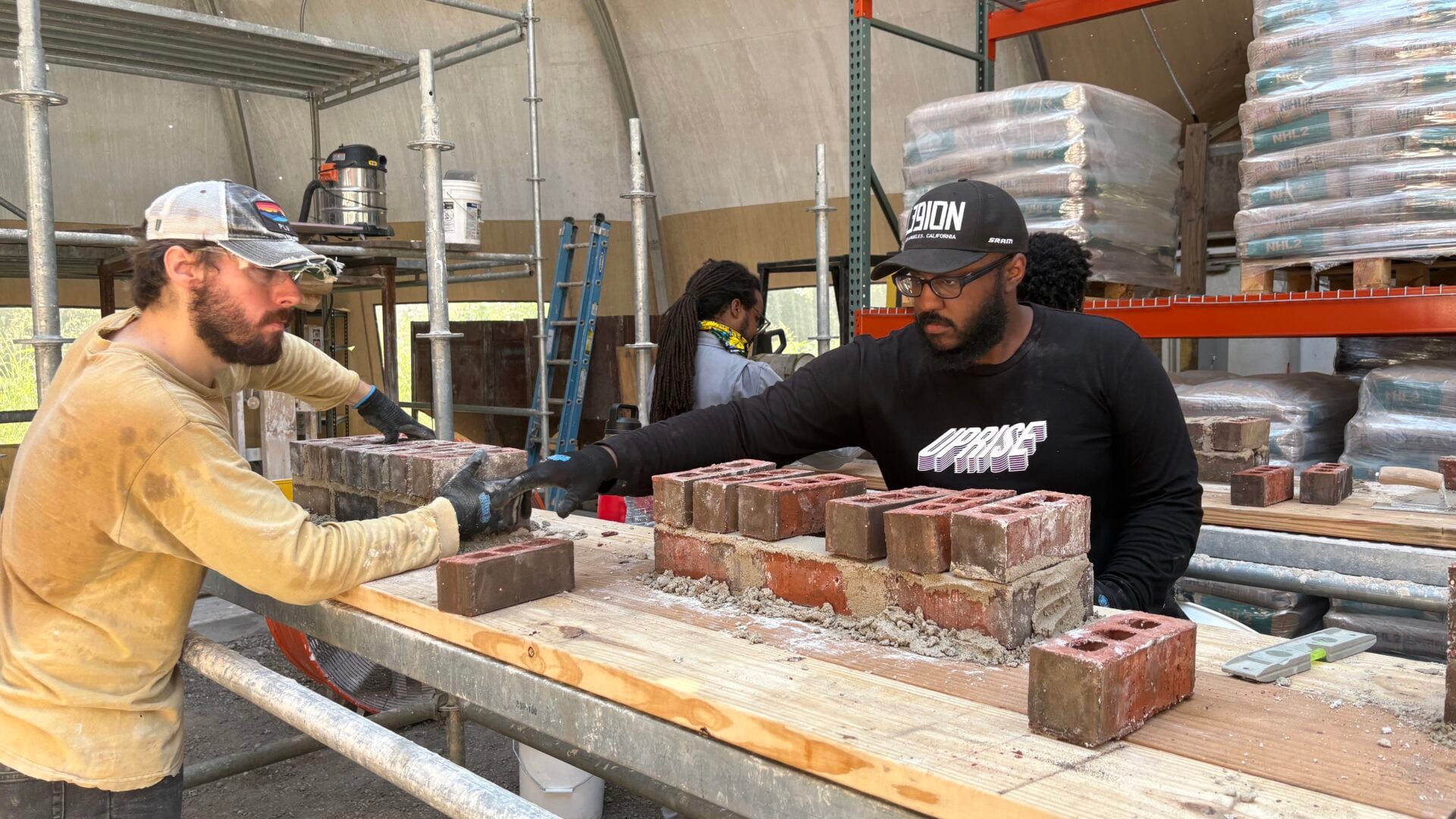
The stewardship of this knowledge is at the center of the Bridge to Crafts Careers (B2CC) program. Through B2CC, a network to support emerging skilled tradespeople is taking shape. Participants work directly with historic materials at St. Louis Cemetery No. 2 to learn brick masonry, plastering and ironwork. We are bringing together master craftspeople, preservation professionals, employers, workforce organizations, social-service providers, educators and community partners to support the next generation of builders.
“The cemetery provides a perfect demonstration area where you can apply all of the preservation trades to a specific need,” Hankins said.
The goal is to clear a pathway into the industry for committed students of the trades. Someone should be able to encounter the beauty of a craft, develop skills, find mentors, earn a decent living and build a stable career without taking on enormous debt simply to learn how to work with their hands.
B2CC is helping revive traditional building trades. The New Orleans Master Crafts Guild is already reconnecting master craftspeople with apprentices. B2CC builds on that spirit by creating a broader network around the person entering the field. Together, these efforts begin to resemble a living ecosystem that can sustain skilled trades education.
“New Orleans could develop itself as a center for preservation trades training,” Hankins said.
There is a renaissance happening before us. I see it in the renewed interest in craftsmanship, in the people choosing to learn skills that connect them directly to history and place and in the growing recognition that preservation depends on having people who know how to do the work.
Standing in St. Louis Cemetery No. 2, I can feel nothing but affirmation, gratitude and a firm belief in what is to come. The tombs around us, like much of our built environment, are evidence of the artistry and integrity with which previous generations built. Our responsibility is to make sure that this knowledge is protected, shared and gifted onward.
Karina Roca is PRC’s Bridge to Crafts Careers program manager.