In July 1975, I attended the wake of my great-aunt Madeline “Nana” Victor at Blandin Funeral Home at 1116 St. Claude St., a space that served Black Creoles for generations. During the service, I had my first taste of what would become a lifelong obsession with pimento cheese sandwiches washed down with chicory coffee, typical wake fare in New Orleans’ Creole community. I remember giggling with my cousin Elaine about “ghosts” in the building and our neighbor sporting his new “rug,” until we walked up to the alcove where Nana’s coffin sat. It was a sacred space just for her and the other souls laid out over the years. No more giggles as we said the rosary and our goodbyes like many Catholic Creoles.
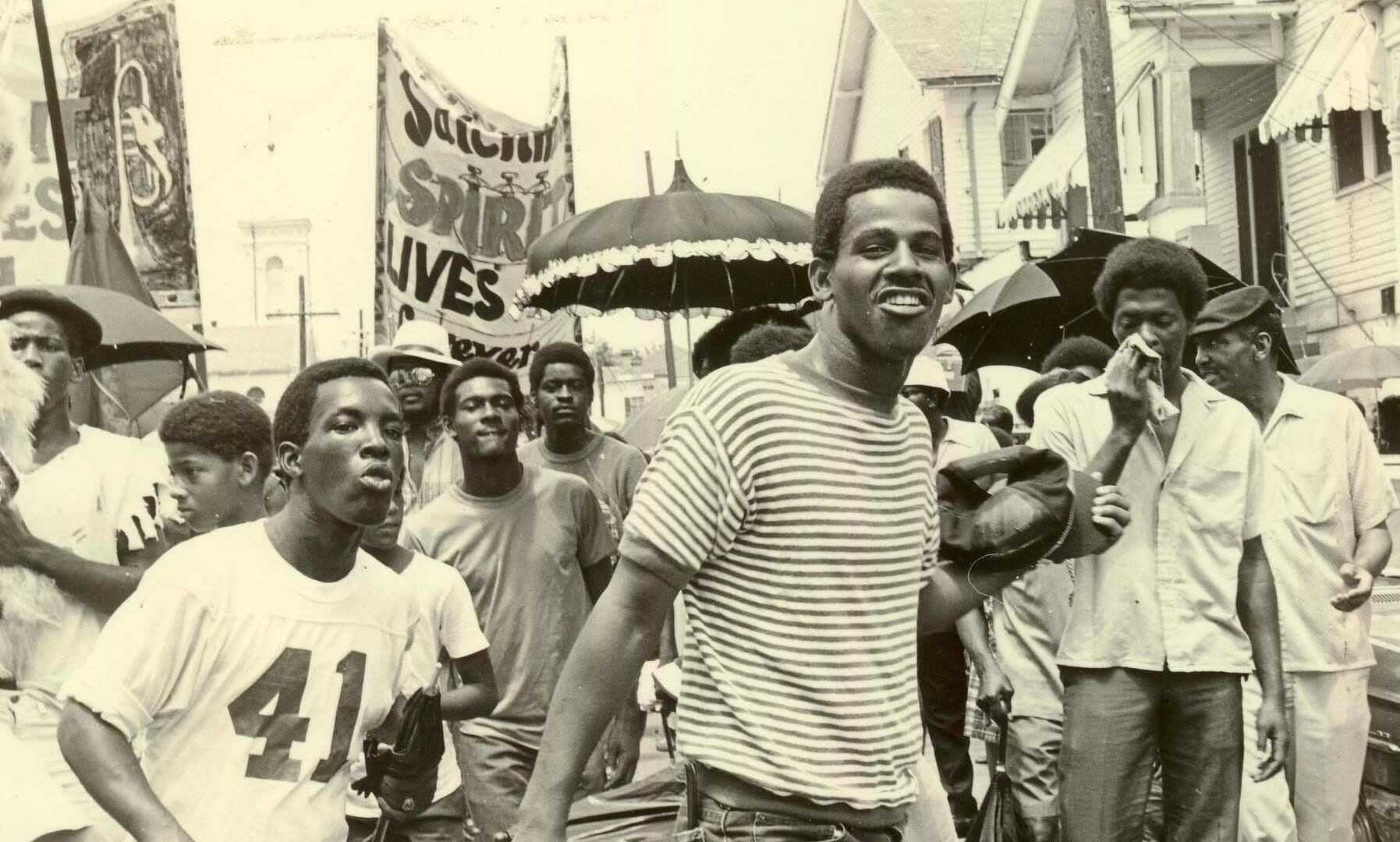
For decades, Blandin Funeral Home was an unbreakable thread connecting families through life, death, community organizing and mutual aid. It handled everything from wakes to jazz funerals for community members, often in conjunction with historic St. Augustine Church across the street.
Black families had to rely on each other following years of Jim Crow, when services were unequal and often closed to people of color. With a strong sense of heritage, they created social clubs and their own systems of insurance, collecting dues to help meet members’ health care and burial needs. Funeral homes played an essential role in the community.
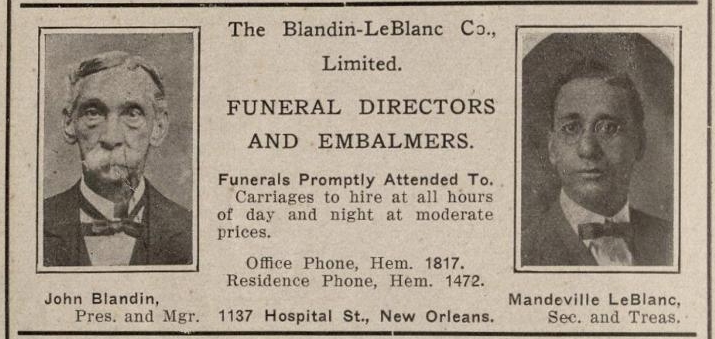
In 1909, John Blandin and his partner, Mandeville Adrein LeBlanc, founded Blandin-LeBlanc Company Ltd. The company was later renamed Blandin Undertaking Company Ltd.
In 1986, it was purchased by the Rhodes family, who leased the building in 1999 to photographer and culture bearer Sylvester Francis. He converted the space into the Backstreet Cultural Museum, with exhibits on Black Masking traditions as well as funeral and second-line history. He felt it was important to preserve those anchors of our culture and educate the public about them. No longer a funeral home, the building remained a significant meeting place for cultural events, expanding to include Mardi Gras Day celebrations.
After Hurricane Ida in 2021, Francis’ daughter, who now runs the museum, was forced to move. The old building is dilapidated.
The Rhodes family listed the building in the hope that someone would recognize its cultural significance and the connections that run deep in the Creole community of Tremé. The building is listed as a tear-down, and the future of the land remains uncertain.
I remember browsing through Blandin’s old, dusty registries of the deceased a few years ago: pages and pages listing dates, costs and family names. They were tucked in a dark cabinet near the back of the building. I also visited the alcove and felt again that I was in a sacred space.
Many still pass by the site and say a prayer or leave a small offering in remembrance of the unbreakable thread woven by generations of tight-knit Creoles through life and death. Definitively irreplaceable, the old funeral home turned grassroots cultural museum will always be part of New Orleans’ tapestry.
Love This Story? Get Preservation in Print.
This article originally appeared in Preservation in Print, the Preservation Resource Center’s award-winning magazine celebrating New Orleans’ architecture, neighborhoods, and cultural heritage.
Become a PRC member today and receive six issues delivered straight to your door throughout the year, with inspiring stories of preservation, local history, and the people keeping New Orleans’ unique character alive.