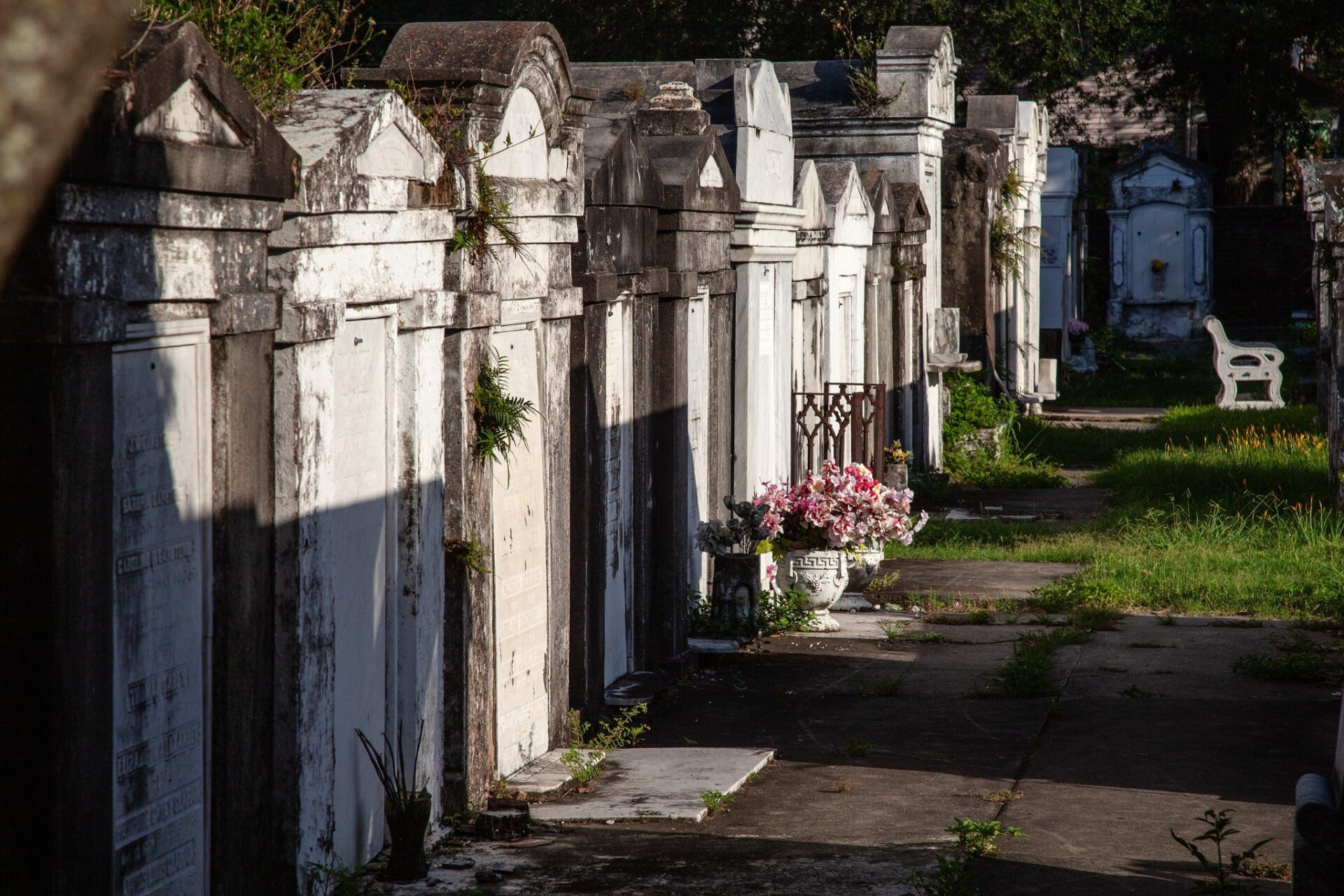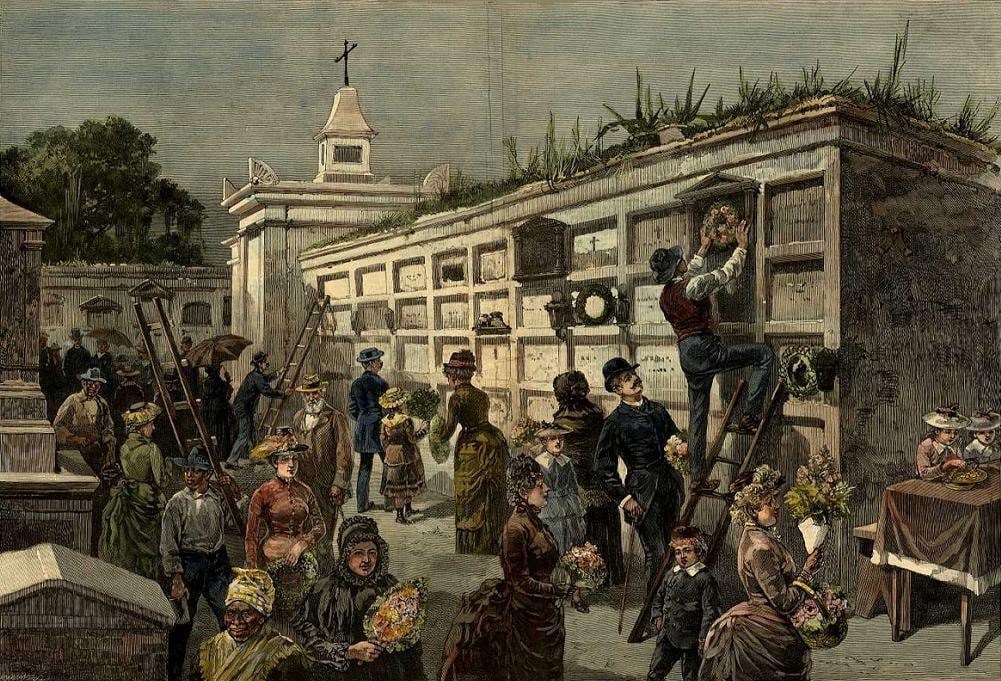
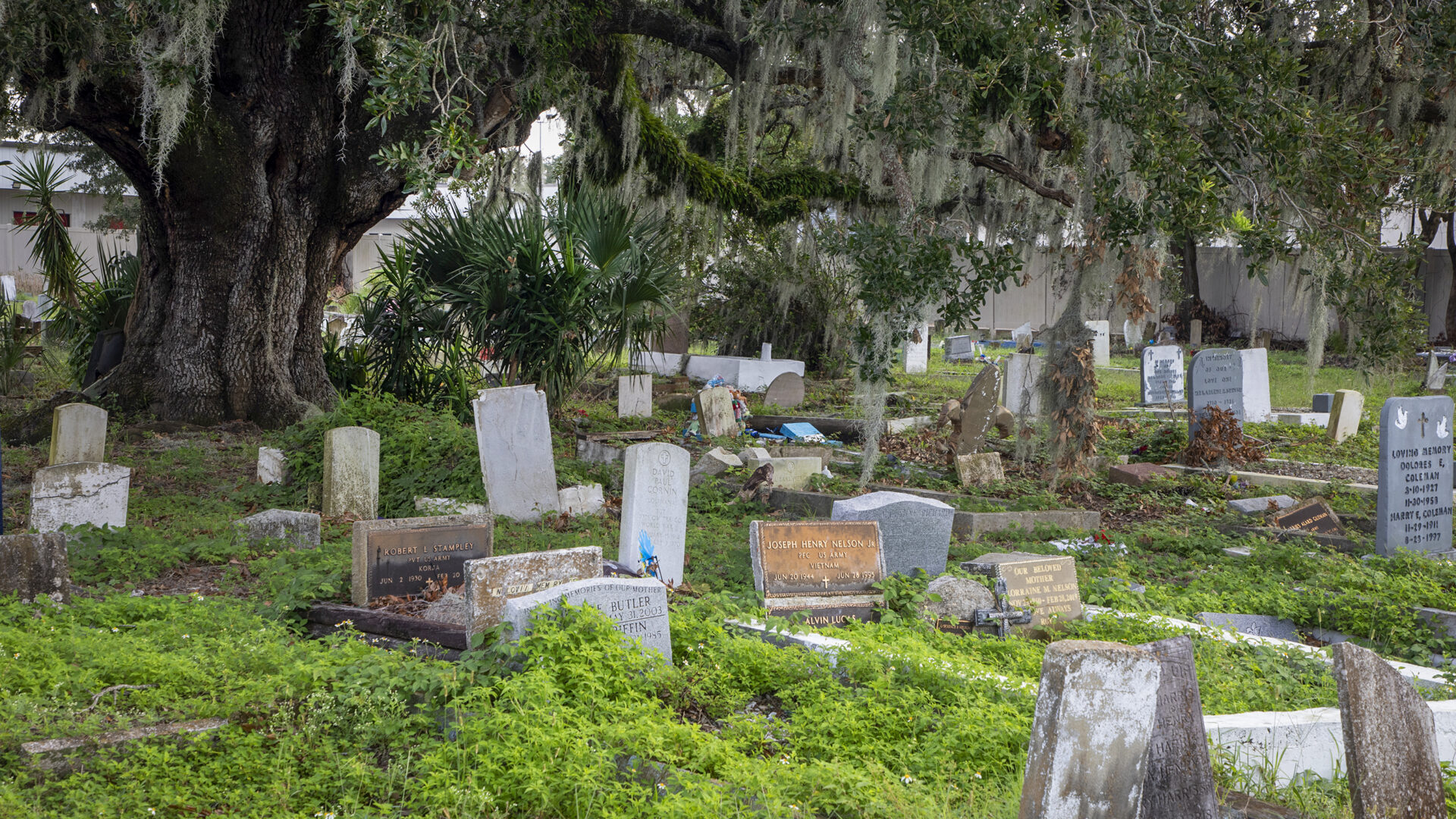
Known to some as Potter’s Field, “the poor people’s cemetery,” and “the indigent place by Delgado,” Holt Cemetery is grounded in memory, culture and tradition. Its significance arises through the stories of those laid to rest there, such as Bell “Mama Bell” London Jefferson, whose legacy continues to shape New Orleans’ culture and history.
London Jefferson was born near Clinton, La., on Aug. 28, 1888. She worked as a domestic servant in Clinton, Des Allemands and New Orleans to support her family. Her husband, Alex Jefferson, worked at a sawmill in Des Allemands until he lost the use of his arm and several fingers. The family came to New Orleans in the late 1920s with their four children.
ama Bell and her sisters worked as domestic servants to raise funds for the Second Nazareth Church in honor of their father, the Rev. John Meyers (1875-1951). Later, she worked as a baker at Mother’s Homemade Pies and a boarding house on Annunciation Street. She rose early to cook and shared meals with anyone in need.
Mama Bell died at home on April 26, 1971, and her husband followed six months later. She is buried in Holt Cemetery with approximately two dozen relatives. Her legacy inspires both her family and the broader community. Her children and grandchildren participated in labor unions, benevolent societies and the Black Masking Indian culture. To her descendants, Holt Cemetery is not simply a “poor people’s cemetery,” but a sacred resting place for those who helped define New Orleans’ culture and history.
Holt Cemetery was founded in 1879, following the 1878 yellow fever epidemic that crowded Locust Grove Cemetery. The mayor approved a new burial ground at Lower City Park, likely named for Dr. Joseph Holt, known as the “Father of Quarantine.”
fter the 1904-1905 yellow fever epidemic, Holt Cemetery became overcrowded. The City Council proposed a new cemetery along Monroe Street, but it was never built.
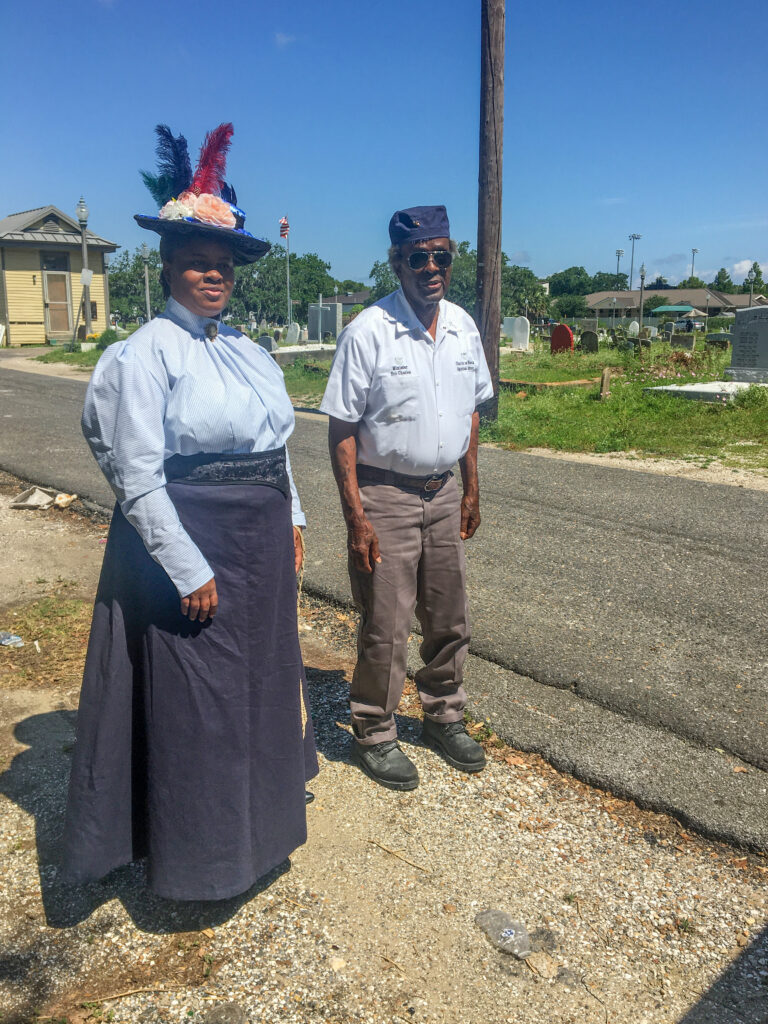
Holt Cemetery has been the focus of advocacy for closure, maintenance and preservation. As a municipal cemetery, it remains one of New Orleans’ most affordable burial sites. Many military veterans and notable figures, including Buddy Bolden, Jessie Hill and Robert Charles, are buried at the site.
ecent preservation efforts include the 2017 installation of seven historical markers by Save Our Cemeteries and Dr. Ryan Gray, which provide information about Holt’s notable burials and history. In 2021, Emily Ford managed an ethnographic and oral history project that gathered stories from descendants and residents connected to Holt. The Neighborhood Story Project piloted an oral history prototype and exhibition about the cemetery’s community legacy. Our Mammy’s History & Genealogy, the educational company I founded, has organized three public forums that connected descendants, historians, preservationists and community supporters to discuss the cemetery’s past, present and future needs.
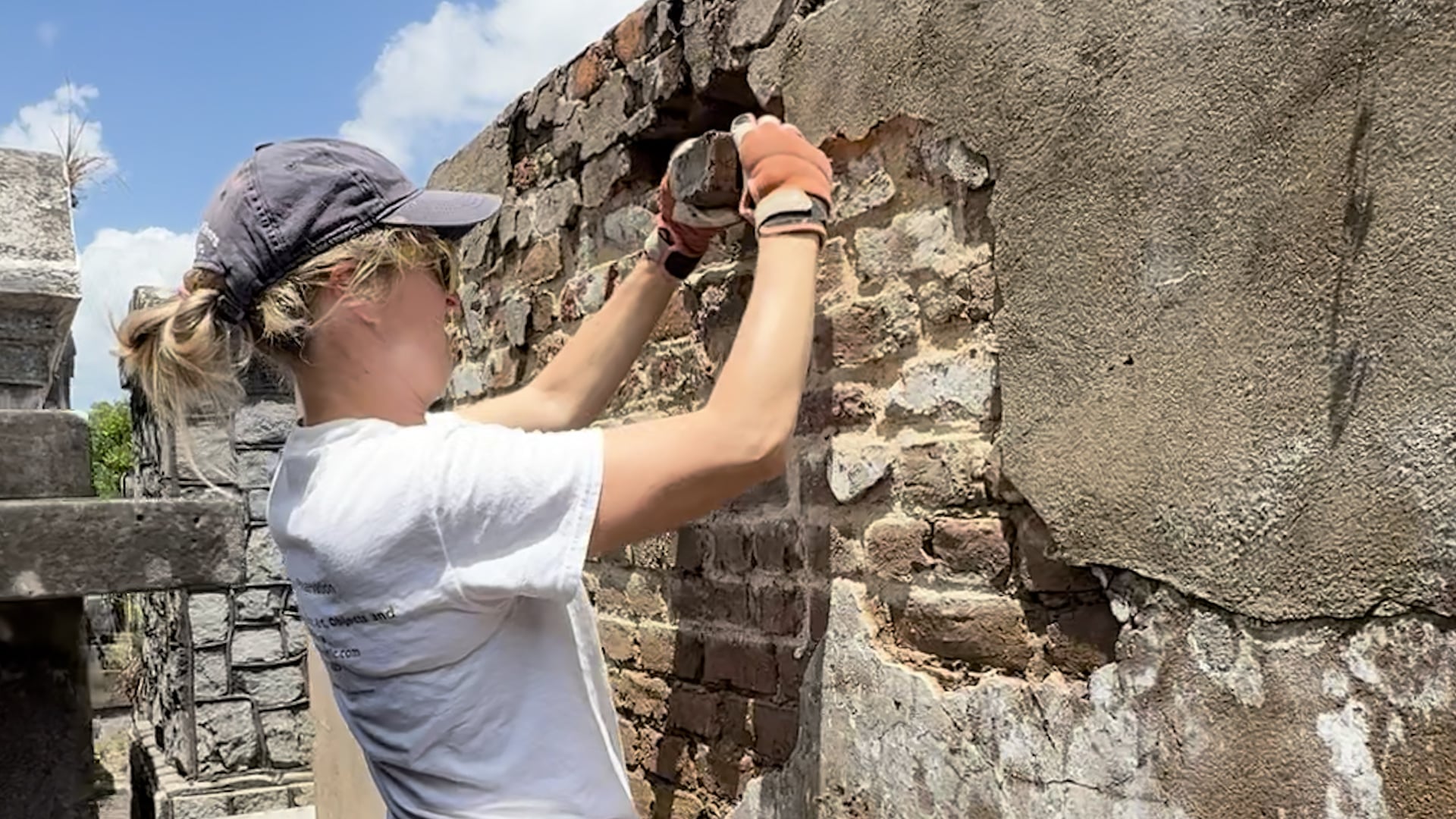
Stakeholders are developing a comprehensive strategy for Holt Cemetery. PRC’s Save Our Cemeteries Department, for example, is working to address ongoing litter and maintenance concerns.
Holt Cemetery embodies the essence of New Orleans, much like Mama Bell’s kitchen — a blend of excellence, love and expression. Preserving Holt extends beyond landscape maintenance; it is an act of narrative justice and a commitment to keeping shared stories alive.
Gaynell Brady is an educator, genealogist and founder of Our Mammy’s History & Genealogy.