



Erin Scott O’Brien wasn’t expecting the call that came in Thursday morning while driving her daughter to school.
It was her ex-husband who said she had to stop what she was doing and check out a news report.
“You are not going to believe it,” he told her. “Just watch and call me back.”
There on her phone, she saw her old house in the Carrollton neighborhood. It was featured since the current owners found a 2,000-year-old headstone for a Roman soldier in the backyard in recent months.
O’Brien quickly sent it to the rest of her family. “We were in shock. We could not believe it.”
She recalled placing the tablet in her backyard 21 years ago when she and her then-husband bought the home. “We planted a tree and said this is the start of our new house. Let’s put it outside in our garden.”
No one in her family had any idea of its history. By the time she sold the house in 2018, she forgot she’d put it there.
“I just thought it was a piece of art,” she said, recalling that the object she and other relatives inherited from her grandparents didn’t seem unusual. “I had no idea it was a 2,000-year-old relic.”
Now, though, O’Brien’s story helps to solve the mystery of how the ancient artifact that went missing from an Italian museum during World War II wound up blocks off South Carrollton Avenue under some brush. It’s a story that’s gone viral and been reported on around the world since Preservation in Print first published it Monday.
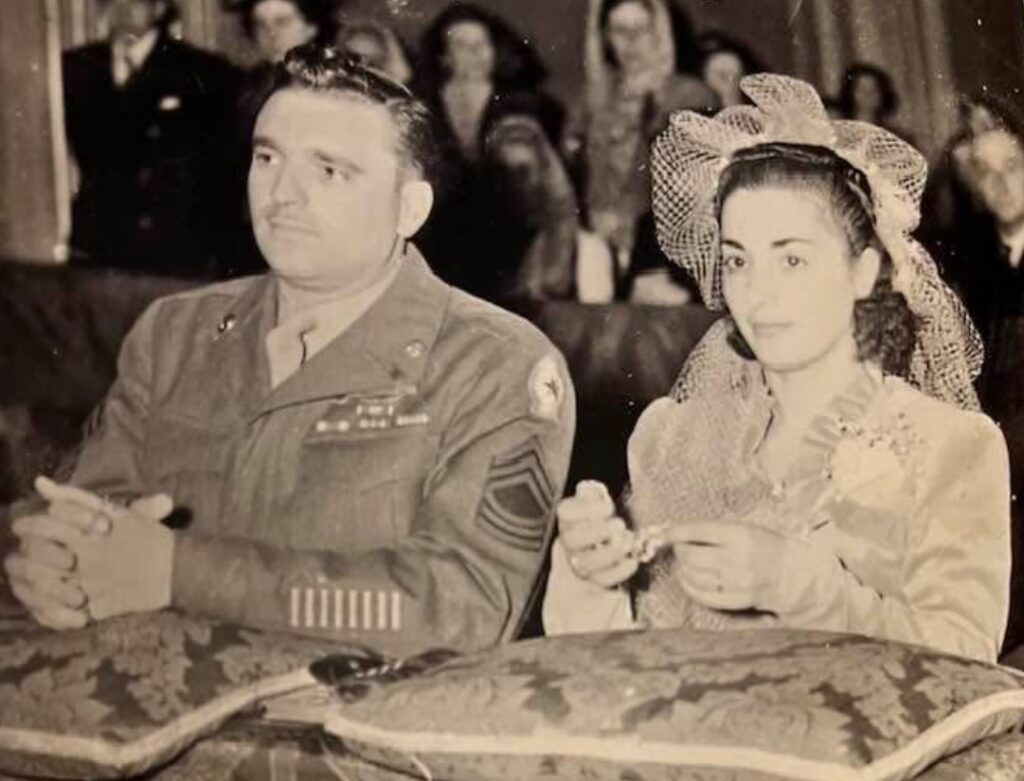
O’Brien’s maternal grandfather, Charles Paddock Jr., was a soldier stationed in Italy during World War II. He met his wife, Adele, during the war and married her there on Oct. 14, 1946.
Eventually, they returned to New Orleans and lived a quiet life. Charles taught voice at Loyola University.
O’Brien knows from her older relatives that the tablet was in a display case in her grandparents’ Baccich Street home in Gentilly with other items. No one knows where it came from, though, and her grandparents died in the 1980s.
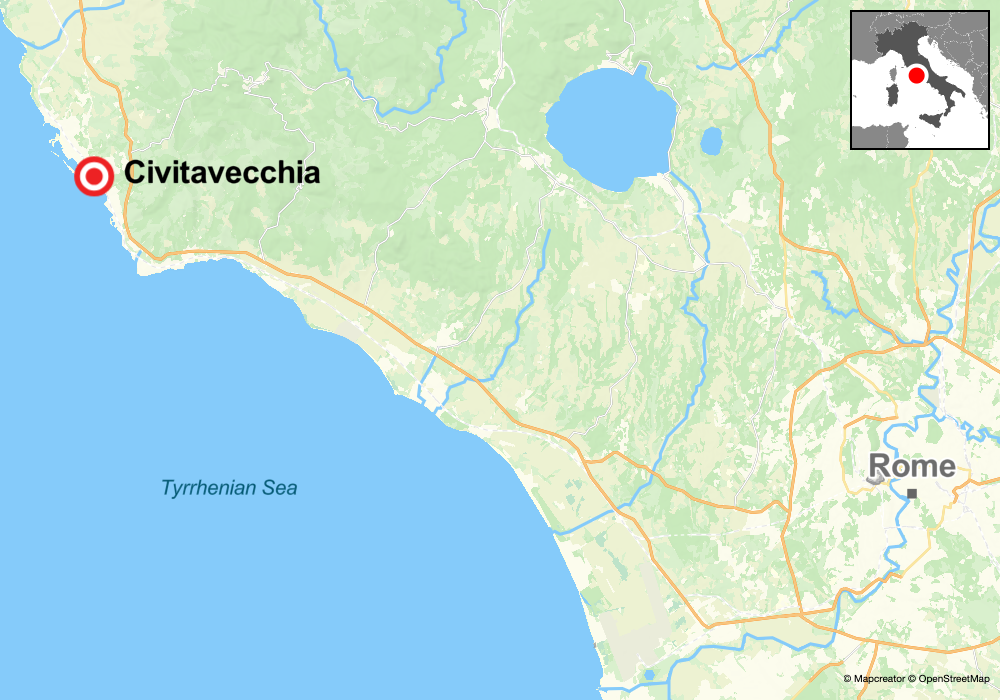
What is known is that the museum in Civitavecchia, Italy, was almost entirely destroyed by Allied bombing raids between 1943 and 1944. Most of its collection was lost, and the museum, located about an hour northwest of Rome, did not re-open until 1970.
This past spring, the current owners of O’Brien’s former Carrollton-area home found the tablet while clearing away some brush.
By coincidence, Daniella Santoro, who now owns the home with her husband, is an anthropologist at Tulane University. She knew there may be a story behind the unusual flat marble slab with a carved inscription that appeared to be in Latin.
She contacted Dr. D. Ryan Gray, an anthropologist with the University of New Orleans, who contacted a slew of other experts across the world, including Dr. Susann S. Lusnia, Associate Professor of Classical Studies at Tulane.
Through a lot of research during the last few months, the team eventually learned it was the headstone for a sailor named Sextus Congenius Verus, who died in the second century, that was once in the possession of the museum in Civitavecchia.
Lusnia traveled to the town’s museum to confirm with them that it was missing. The FBI’s Art Crime Team is now working to repatriate it.

But until Thursday, no one had any clue how it wound up amid debris behind a house in New Orleans. And while no one can ever know for certain how it came into the Paddocks’ possession — whether they bought it or if he, perhaps, took it as a souvenir during the war — Gray said he was pleased to at least learn how it found its way to the local backyard.
“I was really thinking we’d have our list of possible people through whom it could have ended up here,” he said. “I didn’t really expect to actually find the actual person, so it’s pretty exciting to know how it ended up here.”
O’Brien said that as stunned as she was to learn about the headstone’s history, she’s grateful it’ll be returned to its rightful owner.
“It’s amazing,” she said. “It’s wonderful that it’s going back to where it belongs.”
WWL-TV reporter Meg Farris contributed to this report.
Danny Monteverde is editor of Preservation in Print.