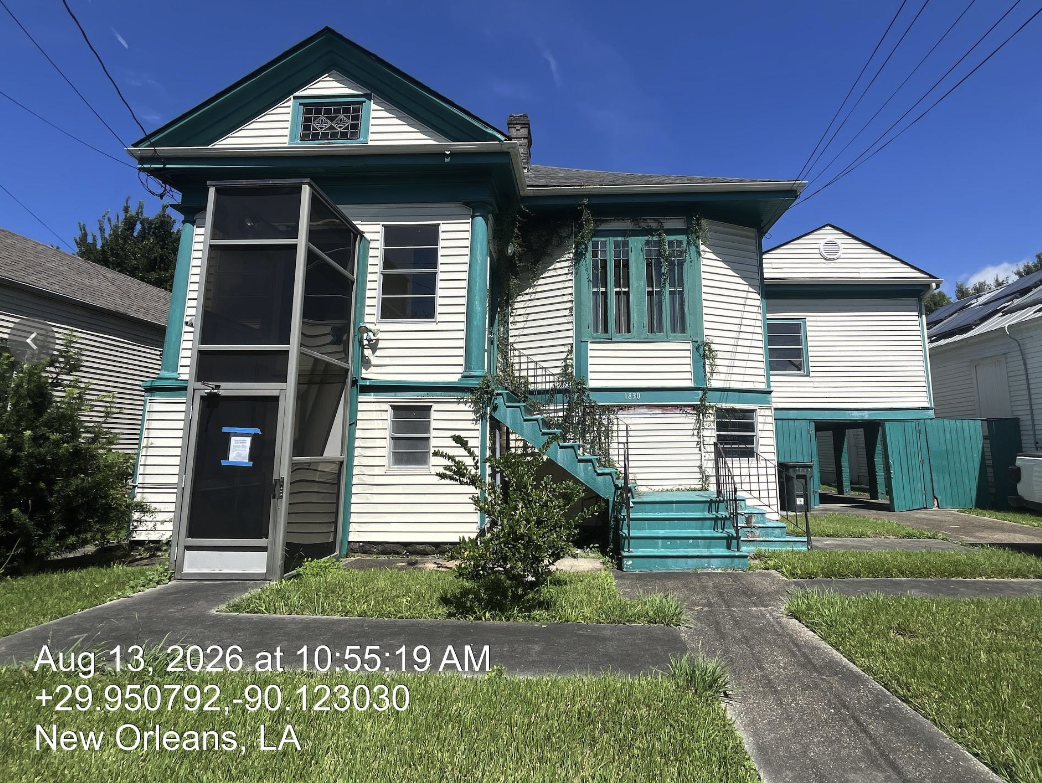

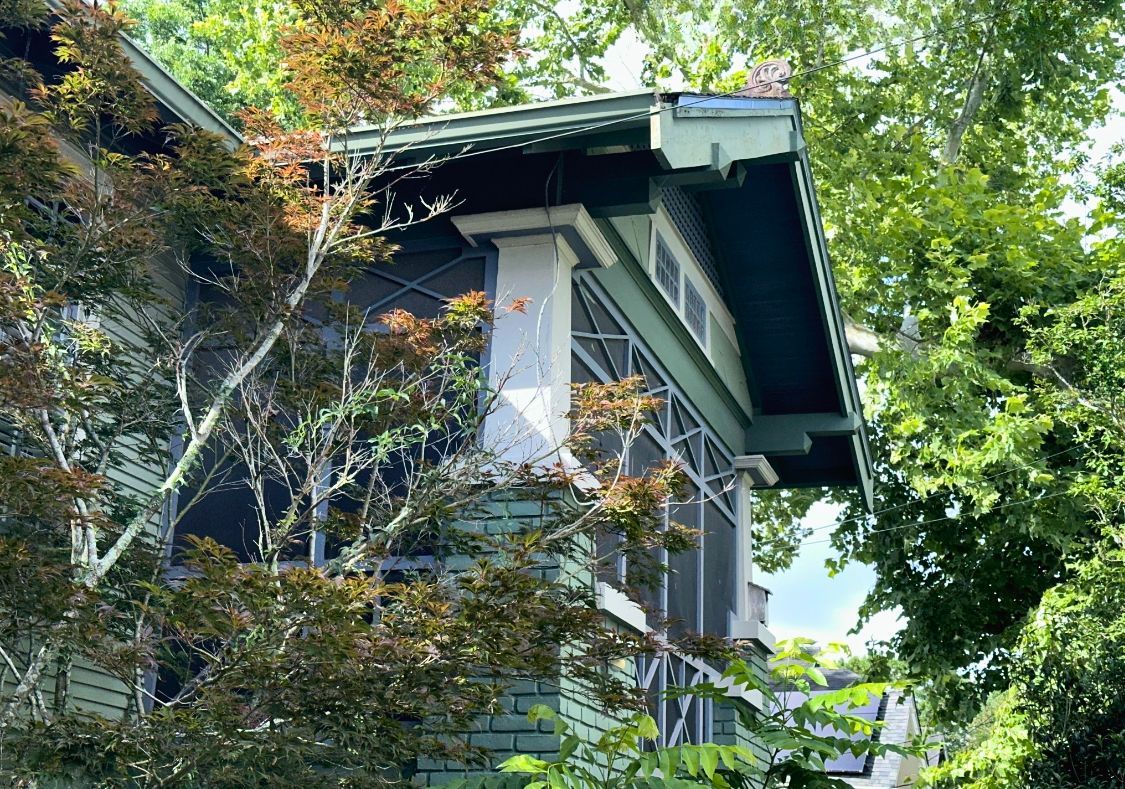
At its June 3 meeting, the Historic District Landmarks Commission denied renovation plans for the Craftsman-style residence at 2131-2133 Pine Street. The proposed plans involved removing most of the exterior walls and roof, making extensive changes to the front façade, and raising the already-raised bungalow to create code-compliant habitable space on the ground floor. The scope of the demolition would substantially exceed the HDLC’s allowable limits in the partial-control Uptown Historic District, so the HDLC considered the proposal a de facto full demolition.
The applicant indicated their primary goals were to raise the basement level and to add square footage. Several neighbors spoke in opposition to the plans, citing concerns about the proposal’s size in relation to the lot and its compatibility with the historic neighborhood.
Historic buildings are enlarged and modernized all the time in ways that maintain the historic integrity of the building and neighborhood. The Preservation Resource Center urged the owners to work within the HDLC guidelines to maintain the proportions, scale and details of the 1914 bungalow.
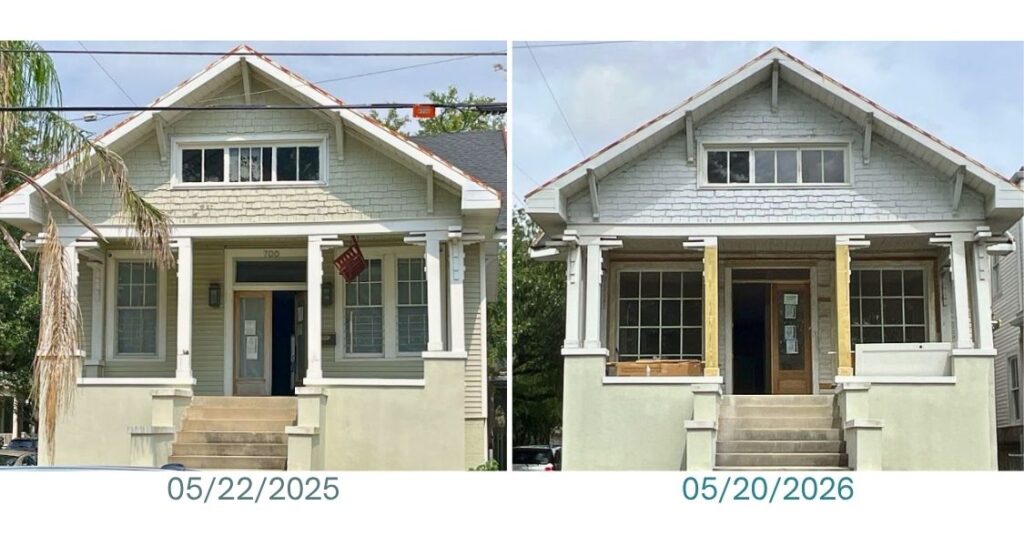
Also Uptown, the commission required the owner of 700 Webster Street restore the front façade after unpermitted and inappropriate alterations resulted in the loss of historic doors, a transom, and windows. The commission declined to issue a fine, although the staff had recommended a Tier 1 penalty of up to $21,904.
The applicant stated that they did not know the building was in a regulated historic district, despite having submitted plans to the HDLC for review and approval. Several people, including neighbors, spoke in opposition to the changes that had been made to the property. Life-safety concerns related to construction work at the site also were raised during public comments, including suspected hazardous lead-paint exposure. HDLC staff noted they would raise these issues with the Department of Safety and Permits for further review.
The PRC urged the commission to require the owners to restore the facade and levy an appropriate fine for disregarding historic district regulations.
This was not the first time in the past year that this property came before the HDLC. In June 2025, the HDLC denied a full-demolition request from a previous, prospective owner of the building. At the time, the HDLC inspector noted in his report that the applicant indicated the HDLC process was a stepping stone toward approval from the New Orleans City Council for buildings that were not good candidates for demolition. That application highlighted a troubling pattern of undermining the expertise of the HDLC staff and commissioners.
At that June 2025 meeting, PRC supported denial of the demolition request because the HDLC staff report had found the building was a good candidate for rehabilitation. We hoped the denial would prompt an appropriate restoration of the historic Craftsman house. Now, under different ownership, unpermitted work at 700 Webster St. has resulted in the permanent loss of historic materials that significantly altered the proportions and design harmony of the front facade.
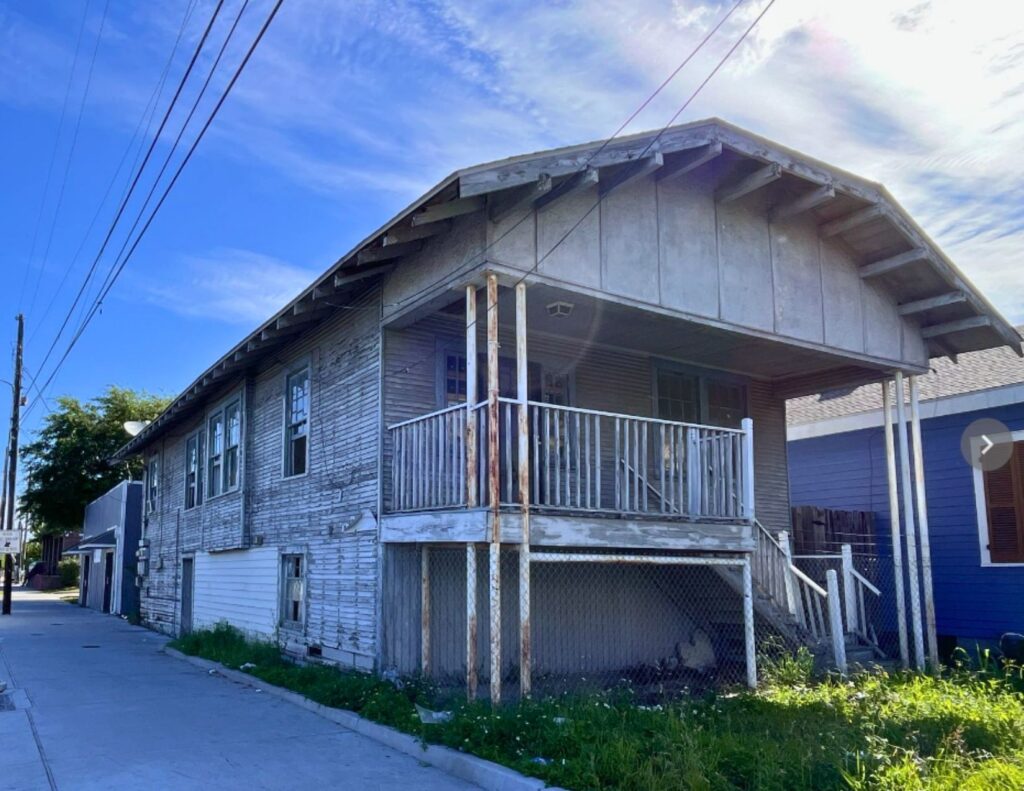
The commission also denied the full demolition of 2663 Iberville Street, at the corner of N. Broad Street, noting that the building was salvageable. The applicant stated that they were dealing with trespassers at the property and had received a structural report recommending demolition. PRC provided informational comments, reminding those present that, because the building is in a National Register historic district, it is potentially eligible for Historic Tax Credits, which could offset up to 45% of qualified construction costs for the owner.
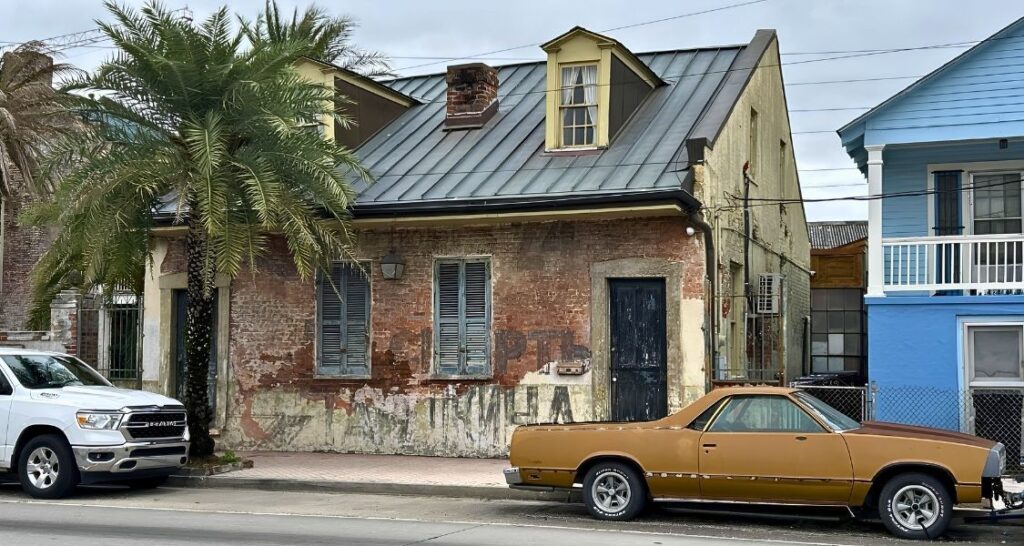
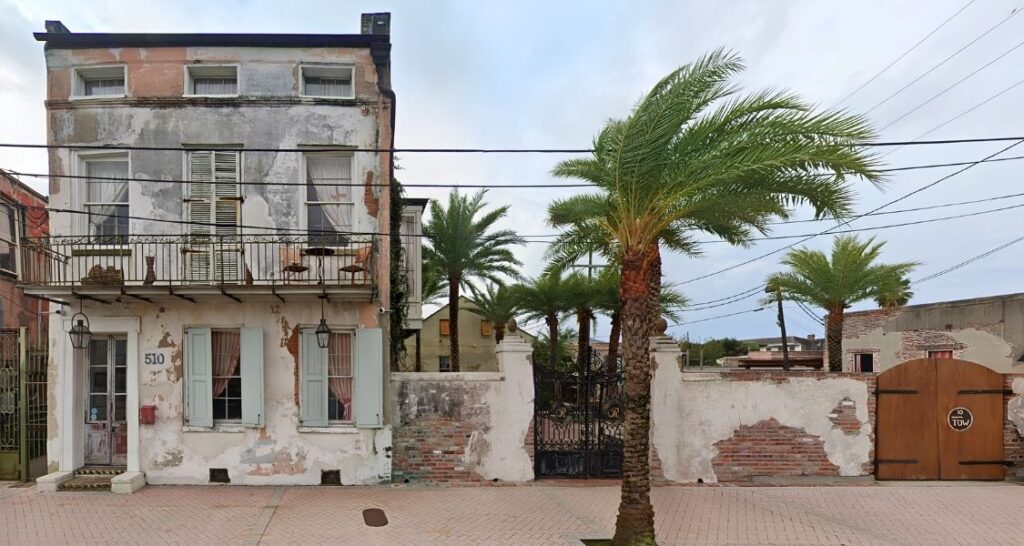
In other business, the HDLC cited the owner of 1510 Religious Street and 510 Race Street for deterioration of the buildings’ walls and exterior maintenance issues, noting the lack of stucco covering the brick. The buildings are part of the event venue known as Race + Religious. Both mid-19th-century buildings are Landmarks. The applicant stated they wanted to retain the patina created by the exposed masonry, but the commission noted that the building was historically encapsulated with stucco to protect the soft bricks. Ultimately, the commission decided to require the owner to re-stucco the exterior walls, make maintenance improvements to the entry gates, and remove inappropriate exterior lighting.