

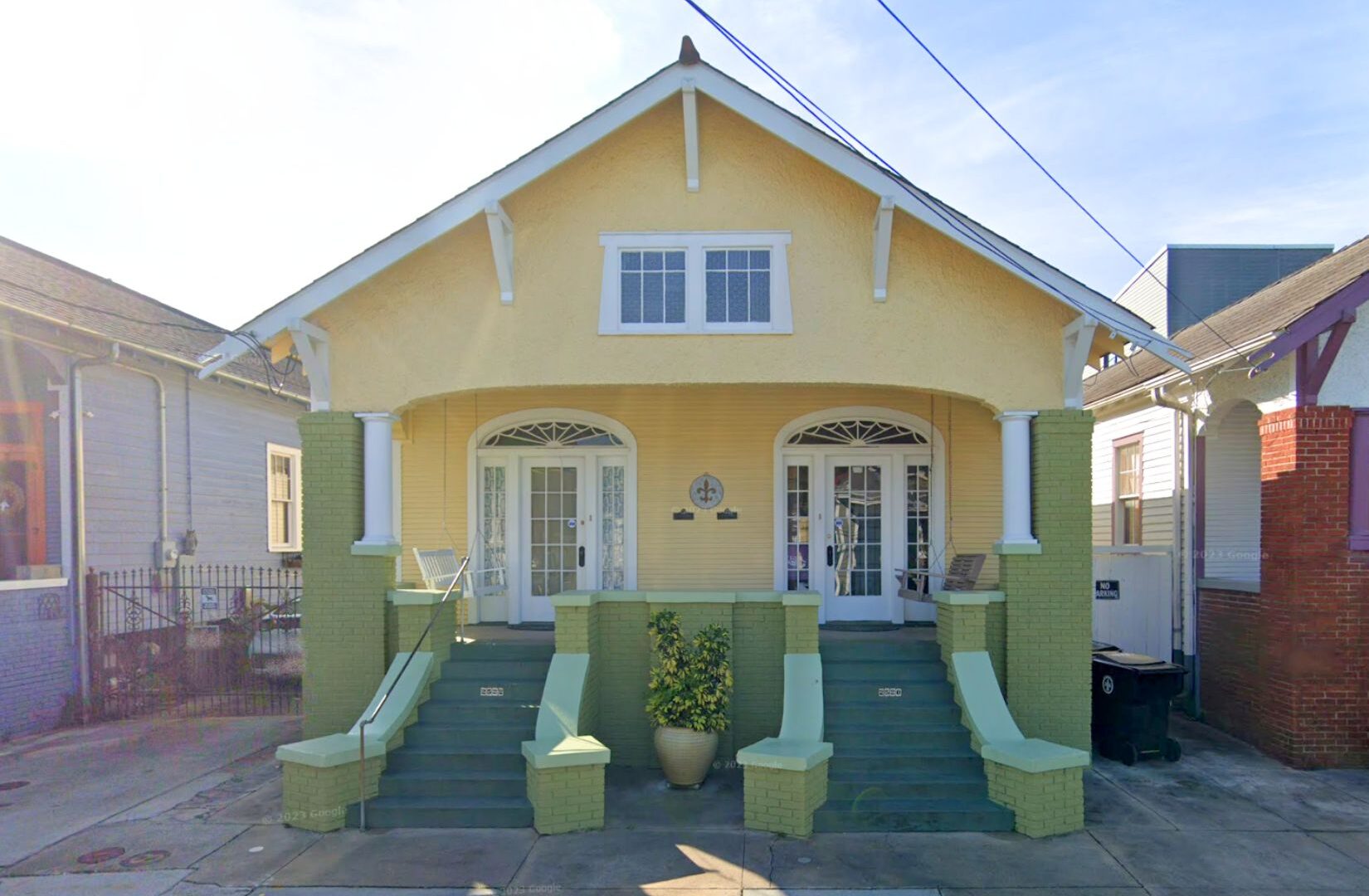
On Oct. 21, 1947, all American flags in New Orleans flew at half-staff by order of the mayor. August and Concetta Abadie left their modest bungalow at 2522 Chartres St. for Union Station, where they were to meet an Illinois Central train arriving between 12:30 and 12:45 p.m. It carried the body of their eldest son, John August Abadie. A corporal in the U.S. Marine Corps, Abadie was the first of New Orleans’ World War II dead to return home from overseas.
The son of a barber, John had hoped to become a businessman. He graduated from S.J. Peters High School and took a course at Soulé College. In the early days of World War II, he worked as a stenographer at the New Orleans Port of Embarkation, earning $180 a month. Yet John felt called to do more to serve his country. Believing it would be less risky, his father encouraged him to join the Coast Guard. August had served in the 355th Infantry during World War I. He knew the cost of war. When the Coast Guard would not give him a rating, John enlisted in the Marine Corps in fall 1942, less than two months after his 18th birthday.
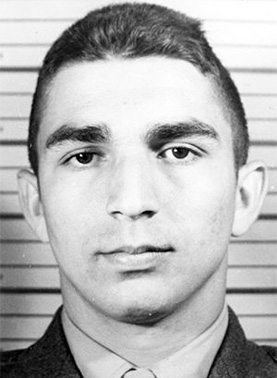
After training in San Diego, John was assigned to an ordnance depot at Camp Pendleton, California. Dissatisfied with the role, he wrote to Marine Corps headquarters in Washington, D.C., requesting a transfer to a combat outfit. He told his family he had a premonition that he would die in battle.
A little more than a year after enlisting, John was a rifleman with the 2nd Marine Division. He took part in an amphibious landing on Betio as part of Operation Galvanic. Taking Betio would give the U.S. control of the Japanese airstrip in Tarawa Atoll. The operation was part of a broader effort to halt Japan’s advance and move U.S. forces closer to the Japanese mainland.
What followed was one of the bloodiest battles in Marine Corps history, with about 1,000 American Marines and sailors killed and more than 2,000 wounded. John came ashore on the coral beach with the first wave and was wounded. On Nov. 21, 1943, the second day of the assault on Tarawa, he died aboard a hospital ship. He was 19. He was buried temporarily on the island.
Public protest erupted over the heavy casualties suffered by the Marines at Tarawa. Many Americans could not understand why the military had been willing to suffer such high losses for a seemingly minor island. After the war, Gen. Holland Smith asked, “Was Tarawa worth it? My answer is unqualified: No. From the very beginning of the decision of the Joint Chiefs to seize Tarawa was a mistake and from their initial mistake grew the terrible drama of errors, errors of omission rather than commission, resulting in these needless casualties.” Many commanders disagreed with Smith’s assessment, including Adm. Chester Nimitiz, who said, “The capture of Tarawa knocked down the front door to the Japanese defenses in the Central Pacific.”
Almost four years after the Battle of Tarawa, John August Abadie’s body arrived in New Orleans in a flag-draped casket. Six pallbearers — three from Veterans of Foreign Wars and three from the American Legion — lifted it from the train and carried it through long rows of soldiers, sailors, Marines and Coast Guardsmen. As the casket passed, a platoon from the 10th Battalion, Marine Corps Reserve, a platoon from the port of embarkation, a Coast Guard platoon and a Navy platoon presented arms.
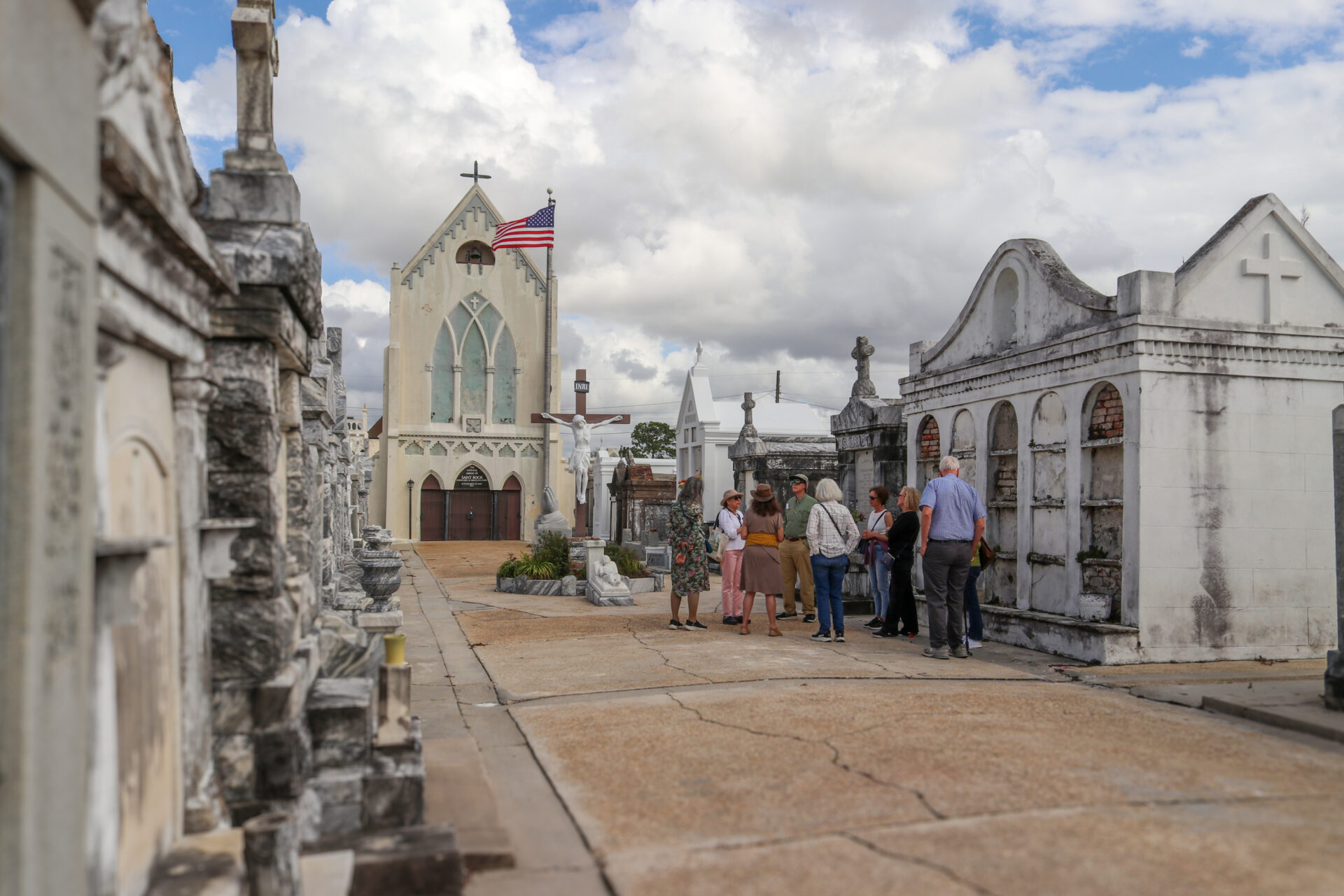
The body of the fallen veteran was taken to St. Peter and Paul Catholic Church, where John had made his first Communion. There, his funeral Mass was said by the Rev. Charles L. Carrol. An organist played Gregorian requiem chants as Father Carrol sprinkled the casket with holy water. After the service, the mourners made their way to St. Roch Cemetery. John August Abadie was placed in the tomb of his grandfather, for whom he was named.
The Abadies’ other son, Peter, had served in the U.S. Army during the war. He continued to serve his country in the U.S. Army Reserve and retired as a lieutenant colonel. In 2003, Peter and his wife, Peggy, had a tree planted at their church’s Knights of Columbus hall in remembrance of their brothers, both of whom had died in combat during World War II. When Peter died in 2020, he left behind many grandchildren to keep alive the memory of his brother’s ultimate sacrifice.
Book a Tour