
When people hear about FORTIFIED Roof standards, they often think first about individual benefits: a stronger roof, less storm damage and potentially lower insurance costs. Those advantages matter. But in New Orleans, the impact of stronger roofs extends far beyond a single property line.
In New Orleans, every home is connected to the health of its block, its neighborhood, and ultimately the city as a whole. After major storms, roof damage is often the first step in a much larger chain of problems. Water intrusion can turn a repairable home into a gut renovation. Families may be displaced. Properties can sit vacant for months or years. Deferred maintenance accelerates. In some cases, historic buildings become candidates for demolition when repairs become too costly.
FORTIFIED Roof standards were developed by the Insurance Institute for Business & Home Safety to reduce the types of roof failures that commonly occur during hurricanes and severe storms. By creating stronger roof connections and reducing opportunities for wind and water intrusion, FORTIFIED Roofs are designed to help homes remain habitable after a storm.
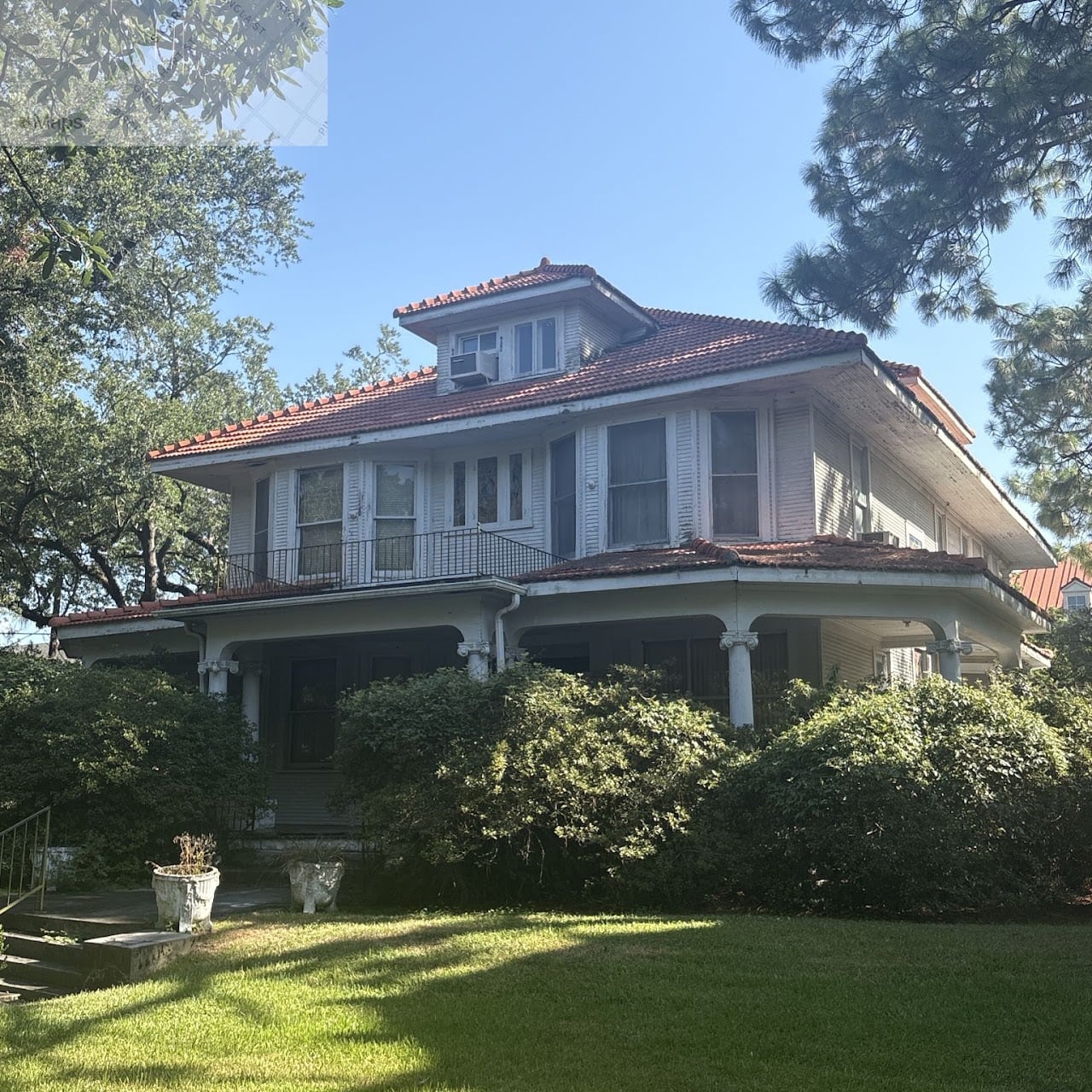
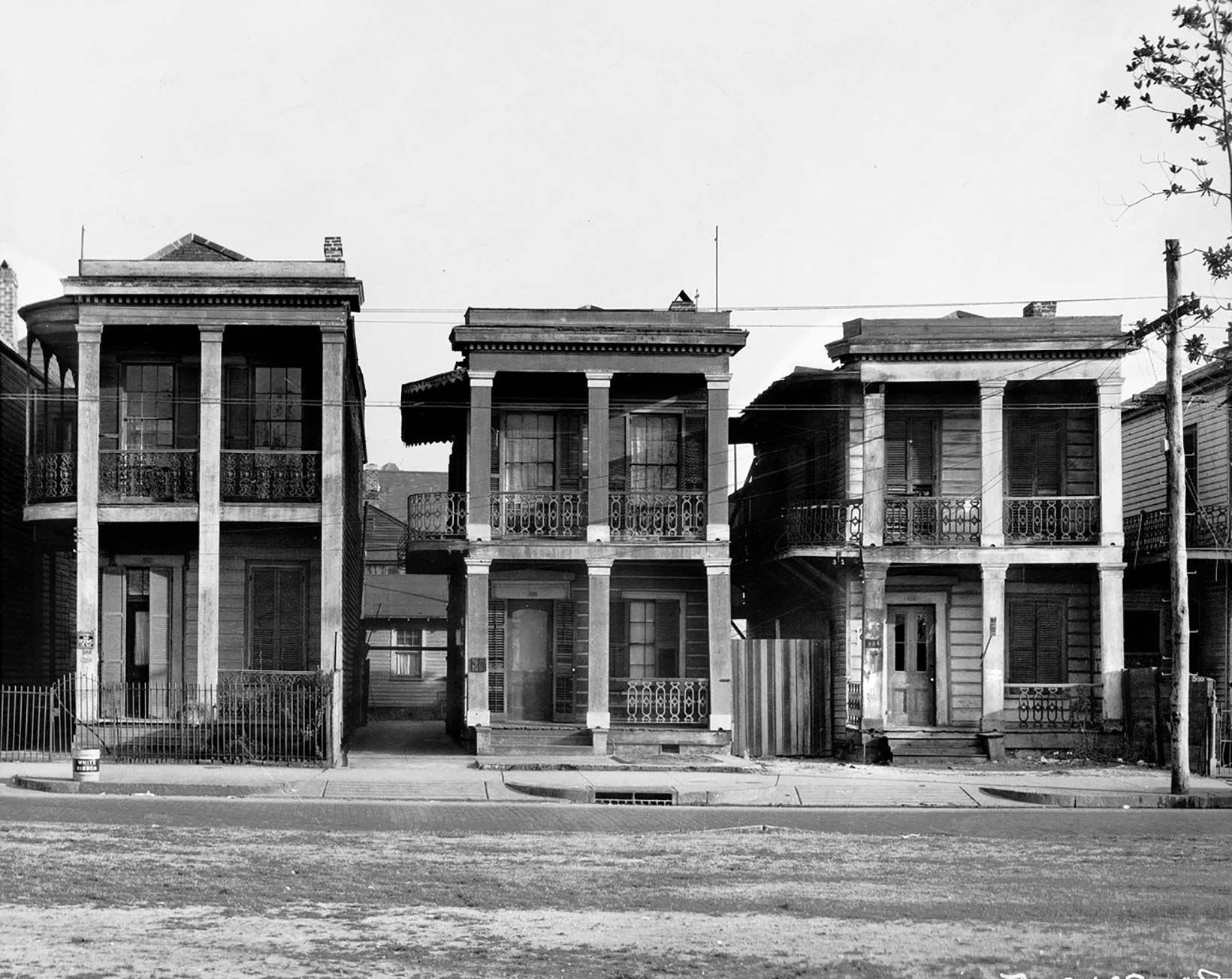
For a city like New Orleans, that matters enormously. There are nearly 50,000 buildings in New Orleans historic districts, many of which qualify to receive FORTIFIED Roof certification.
Every house that stays dry after a storm helps reduce neighborhood disruption. Every homeowner who can remain in place rather than relocate contributes to community stability. Every historic building that avoids major water damage is one less structure at risk of long-term deterioration or demolition.
The lessons of the past two decades are clear: damage caused by storms is not measured only in dollars. It is also measured in population loss, vacant properties, neighborhood disinvestment and the gradual erosion of the historic places that give New Orleans its identity.
“Historic homes are family homes, affordable housing and neighborhood anchors,” says Preservation Resource Center Executive Director Kristin Gisleson Palmer. “When a roof fails, the risk is not only damage to a building — it is displacement. Louisiana is scaling FORTIFIED Roofs, and PRC wants to make sure historic New Orleans homeowners can be part of that progress.”
Resilient buildings protect residents and preserve neighborhoods, both of which are essential to a thriving New Orleans.
State leaders have invested heavily in roof-hardening programs because reducing storm-related losses is viewed as one important step toward stabilizing the insurance market. At a time when rising insurance premiums—and in some cases, the inability to obtain coverage at all—have become a significant factor in housing affordability and are influencing some residents’ decisions to leave New Orleans, widespread adoption of FORTIFIED roofs could help ease one of the pressures contributing to population loss by making homes less risky and less expensive to insure over the long term. As insurers pay fewer and less severe claims, they can offer lower premiums, and a higher concentration of FORTIFIED properties may help attract additional insurers to New Orleans, increasing competition and helping moderate costs, which in turn will stem city population loss.
That shift is already visible. Louisiana Commissioner of Insurance Tim Temple recently said the state has more than 13,000 FORTIFIED Roofs, evidence that roof strengthening is becoming a statewide resilience strategy rather than a niche home upgrade, according to NOLA.com.
Ultimately, FORTIFIED Roofs are about more than individual houses. They are about protecting the fabric of New Orleans itself.
A stronger roof helps a homeowner. A neighborhood full of stronger roofs helps a city.
Registration for the current Louisiana Fortify Homes Program lottery is open now and closes Friday, June 19, at 5 p.m. By investing in stronger roofs today, New Orleans homeowners can help preserve the homes, blocks, and historic neighborhoods that make our city unlike any other.
For common questions about historic homes and the program, read PRC’s FORTIFIED Roofs: Separating Myth from Fact.
More questions about FORTIFIED Roofs and historic homes? Contact our director of Advocacy and Education, MaryNell Nolan-Wheatley at [email protected].