
With the Louisiana Fortify Homes lottery open through June 19, New Orleans homeowners are asking a practical question: Could a FORTIFIED Roof work for my house — especially if it is historic? In many cases, the answer is yes. As interest in FORTIFIED Roof standards grows across Louisiana, the Preservation Resource Center is hearing many of the same questions from homeowners, especially owners of historic homes. To separate myth from fact, we called in the experts at Smart Home America, a nonprofit that promotes stronger, more disaster-resistant homes and communities. Here are the myths we hear most often — and the facts to know before you register, hire a contractor or start work.
- Myth: FORTIFIED Roofs are only for new construction.
-
Fact: Most participants in Louisiana’s Fortify Homes Program are upgrading existing homes. A roof replacement project is often the ideal time to incorporate FORTIFIED standards and improve a home’s storm resistance.
- Myth: Historic homes can’t have FORTIFIED Roofs.
-
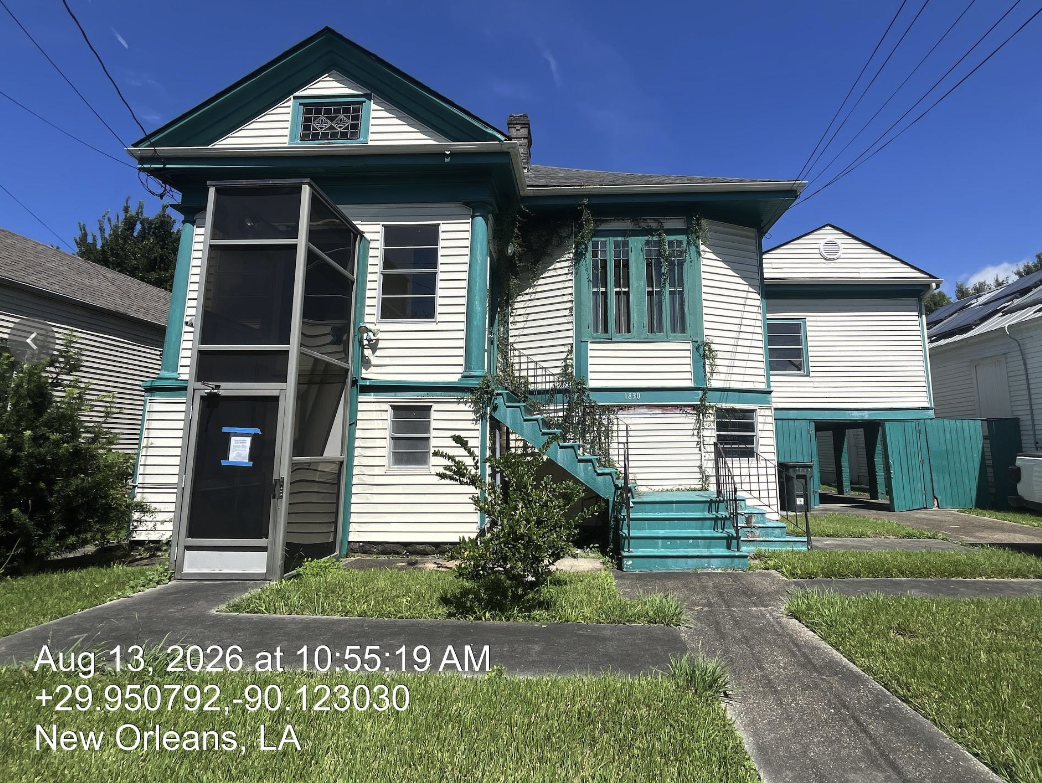
Fact:Historic homes can absolutely receive FORTIFIED Roof certification. In fact, preservation professionals, contractors, and roof evaluators across Louisiana are increasingly finding ways to strengthen historic buildings while preserving their historic character.
“My house was built over 100 years ago, before anyone had heard of a wind speed rating. It now has a FORTIFIED Roof,” says Julie Shiyou-Woodard, president and CEO of Smart Home America. “Older homes require more upfront assessment, and there can be surprises along the way. But the result is a home that is genuinely stronger without looking any different from the street.”
If your home is in a local historic district, remember to check with the Historic District Landmarks Commission (HDLC) or Vieux Carré Commission (VCC) before starting work on your roof to ensure you are complying with all applicable regulations.
- Myth: My house sits on brick piers, so it probably does not qualify.
-
Fact: Most raised New Orleans homes on brick piers are eligible for a FORTIFIED Roof. Being raised or old doesn’t disqualify a foundation. Dry-stack construction can; that means masonry or brick units are stacked with no mortar between them. If your piers have mortar, even old lime mortar, you are almost certainly in good shape. And for FORTIFIED Roof specifically, there is no requirement to physically anchor the house to the foundation. That concern comes up a lot from owners of raised homes, and it is worth putting to rest.
- Myth: If I am in a historic district, I just need to get a FORTIFIED certification, and I am done.
-
Fact: For homeowners in the HDLC or VCC jurisdiction, FORTIFIED certification and historic district approval are two separate processes. Both are required before work can begin. The good news is that they are not in conflict. A FORTIFIED Roof focuses on how the roof is installed, not on changing the appearance of the house, which can make the Certificate of Appropriateness process more straight forward. But the review process takes time, so starting it early is important, especially with a lottery deadline in view.
- Myth: A FORTIFIED Roof will change the appearance of my house.
-
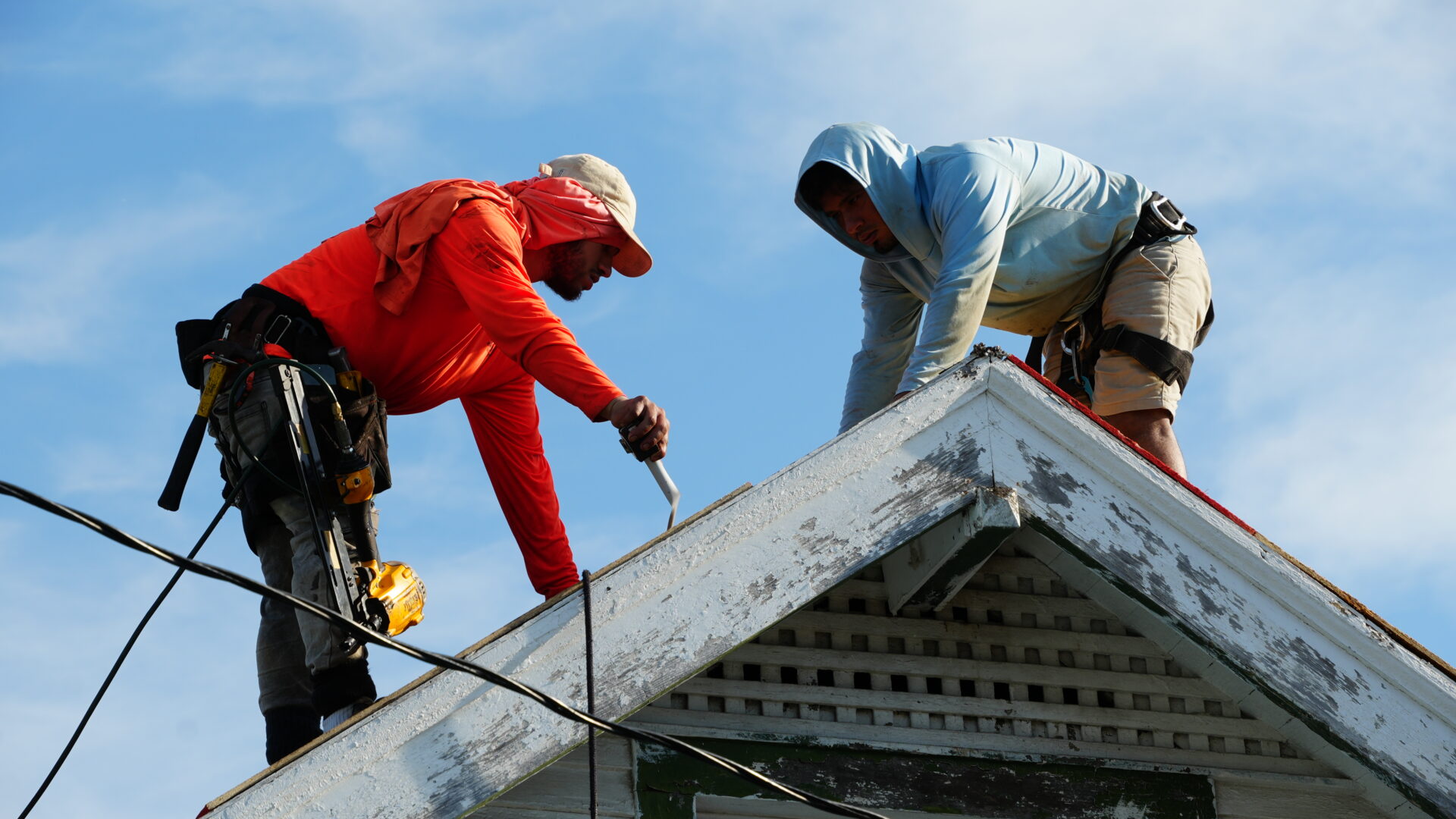
Fact: The FORTIFIED standard focuses primarily on how a roof is installed rather than how it looks. Many of the requirements are hidden beneath the finished roofing material, including sealed roof decks, fastening systems, and other improvements designed to reduce storm damage. Homeowners can often maintain traditional roofing materials and historic details while meeting FORTIFIED requirements.
- Myth: Historic roof features must be removed forever.
-
Fact: Decorative elements such as ridge tiles, finials, and cresting can often be preserved and reinstalled after roofing work is completed. Retaining these features may be required if you are in a local historic district, so be sure to consult with HDLC or VCC staff before you start any work. The FORTIFIED program provides guidance for retaining historic features whenever possible.
- Myth: My old board decking is not an issue. The contractor will just put the new roof on top.
-
Fact: Many older New Orleans homes have original wood board decking rather than plywood or OSB, and the sealed- deck requirement works a little differently on those surfaces. Before any sealed- deck work begins, the existing boards must be renailed to meet FORTIFIED attachment standards, or the contractor must document that the existing fasteners already meet those requirements. From there, the gap size between boards determines what comes next. If the gaps are 1/8 inch or less, the contractor applies a full peel-and-stick waterproof membrane over the entire deck. Taping seams, as you would on a modern plywood or OSB panel deck, is not the approved method here. If gaps are larger, additional work to the deck surface is required before the project can qualify. The takeaway for homeowners: ask a certified contractor to assess your decking before you register, so there are no cost surprises after you have already won a spot in the lottery.
- Myth: I can hire my regular roofer and still qualify for the designation and the grant.
-
Fact: The LFHP has a specific contractor-selection process that homeowners must follow in order. Once selected in the lottery, you are required to obtain bids from at least three LDI-approved contractors through the program portal. The contractor must be specifically on the LDI-approved list, not just any FORTIFIED-certified roofer. Critically, homeowners who hire a contractor and begin work before receiving LFHP approval are not eligible for the grant. An independent FORTIFIED evaluator is also required to inspect the home before and after the work, and that fee is the homeowner’s responsibility and is not covered by the grant.
The practical advice for homeowners before they register: research the approved contractor list, get an informal pre-project assessment of your roof, and understand your likely costs before your lottery number comes up.
- Myth: Insurance discounts are guaranteed and immediate.
-
Fact: Insurance savings vary depending on the insurer, policy type, and market conditions. While many homeowners have reported discounts and Louisiana policymakers continue pursuing incentives for FORTIFIED homes, homeowners should view insurance savings as a potential benefit rather than the sole reason to participate. The primary value remains reducing the risk of costly storm damage.
- Myth: FORTIFIED roofs only help individual homeowners.
-
Fact: Stronger roofs create community-wide benefits. Homes that experience less storm damage are more likely to remain occupied, require fewer emergency repairs, and avoid long-term deterioration. That can mean fewer vacant properties, avoiding population loss, and greater preservation of community character after major storms. Additionally, if Orleans Parish reaches a critical mass of FORTIFIED Roofs, residents are more likely to see lowered insurance costs in the future.
- Myth: The $10,000 grant will cover the whole project.
-
Fact: The grant is a meaningful offset and, for many homes, covers a substantial portion of the cost. But in an older home, especially one that needs deck work before the sealed roof can be installed, the total project cost can exceed the grant amount. Getting an itemized estimate from a certified contractor before registering is the best way to set clear expectations about what you will owe out of pocket.
- Myth: The FORTIFIED lottery can only help me if I can supplement the funds myself.
-
Fact: Gap funding is available to help cover costs beyond the grant! The Preservation Resource Center, in partnership with the Louisiana Department of Insurance and Travelers Insurance, can provide gap funding for qualified low- to moderate-income homeowners. For more information, visit our website here. Additionally, Fortify NOLA, a proposed $600k FORTIFIED Roof gap-funding program advanced by Councilmember Matthew Willard, is expected to support eligible Orleans Parish homeowners who need help covering costs beyond the state grant. PRC will share updates as more details become available.
In New Orleans, preservation and resilience go hand in hand. The best way to preserve a historic building is to help it survive the next storm. Strengthening roofs while protecting historic character allows homeowners to do both.
More questions about FORTIFIED Roofs and historic homes? Contact our director of Advocacy and Education, MaryNell Nolan-Wheatley at [email protected].
Registration for the next Louisiana Fortify Homes Program lottery opened on June 1, with 3,000 grants of up to $10,000 each available to help homeowners upgrade roofs to the FORTIFIED standard to reduce storm damage and help address the property insurance crisis: