

October 20 at 6:30pm — 8:00pm
What You’ll Learn
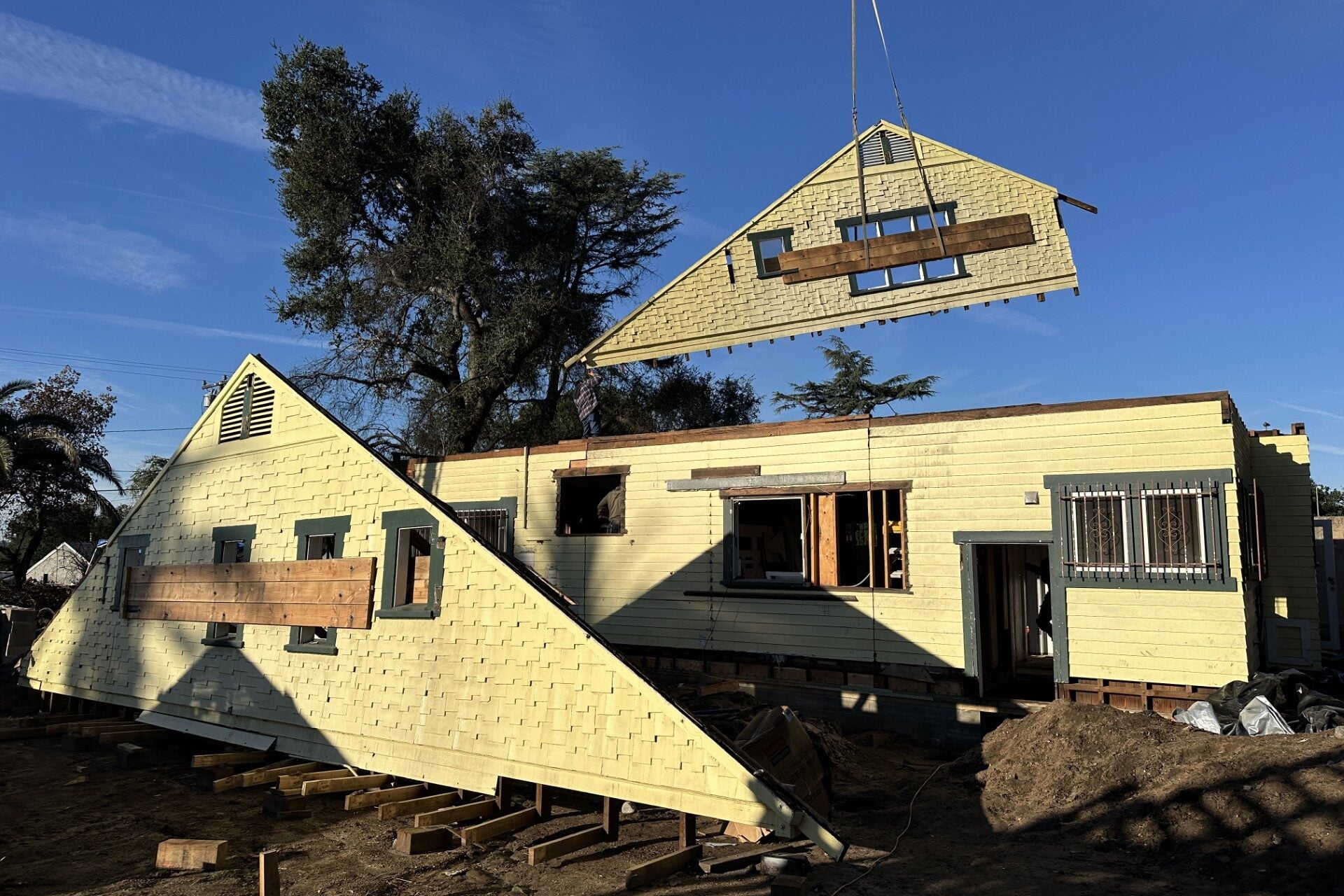
What if the best way to save a historic house was to move it?
Every year, thousands of perfectly good homes across the United States are demolished while housing remains in short supply. At the same time, construction and demolition debris makes up a significant share of what we send to landfills, and the carbon embodied in new building materials carries a substantial environmental cost. In this illustrated presentation, writer and journalist Nicola Twilley will explore an old solution that is making a surprising comeback: moving houses.
Twilley will introduce the Historic Home Relocation Project, which launched in 2025 to move homes slated for demolition in Altadena, California, to lots where they can replace houses destroyed in the Eaton Fire. Drawing on her research into the history of house-moving in the United States and Los Angeles, she’ll explore why moving buildings was once commonplace, why the practice fell out of favor, and what it might take to revive it today.
The history is stranger than you might expect, involving movie stars, dressage horses, and skyscrapers sliced in half. But house-moving isn’t simply a historical curiosity. In an era of managed coastal retreat, extreme weather, housing shortages, and climate change, it may offer a compelling tool for rethinking how we preserve, relocate, and reuse buildings.
Following Twilley’s presentation, we’ll bring in a New Orleans expert in historic house moving for a conversation comparing the experiences of Los Angeles and New Orleans. Together, we’ll explore how the opportunities and challenges of moving houses play out in two cities with very different histories, landscapes, housing markets, and climate risks.
The program will conclude with an audience Q&A.
Why Take This Class?
House-moving offers a fascinating—and increasingly relevant—way to think about preservation, sustainability, and the future of our cities. As communities grapple with climate change, extreme weather, housing shortages, and the loss of existing buildings, understanding when and how a building can be moved rather than demolished gives us another tool for imagining what’s possible.
Join us for a lively look at the lost art of moving houses and what its revival might mean for New Orleans and beyond.
About the Instructor
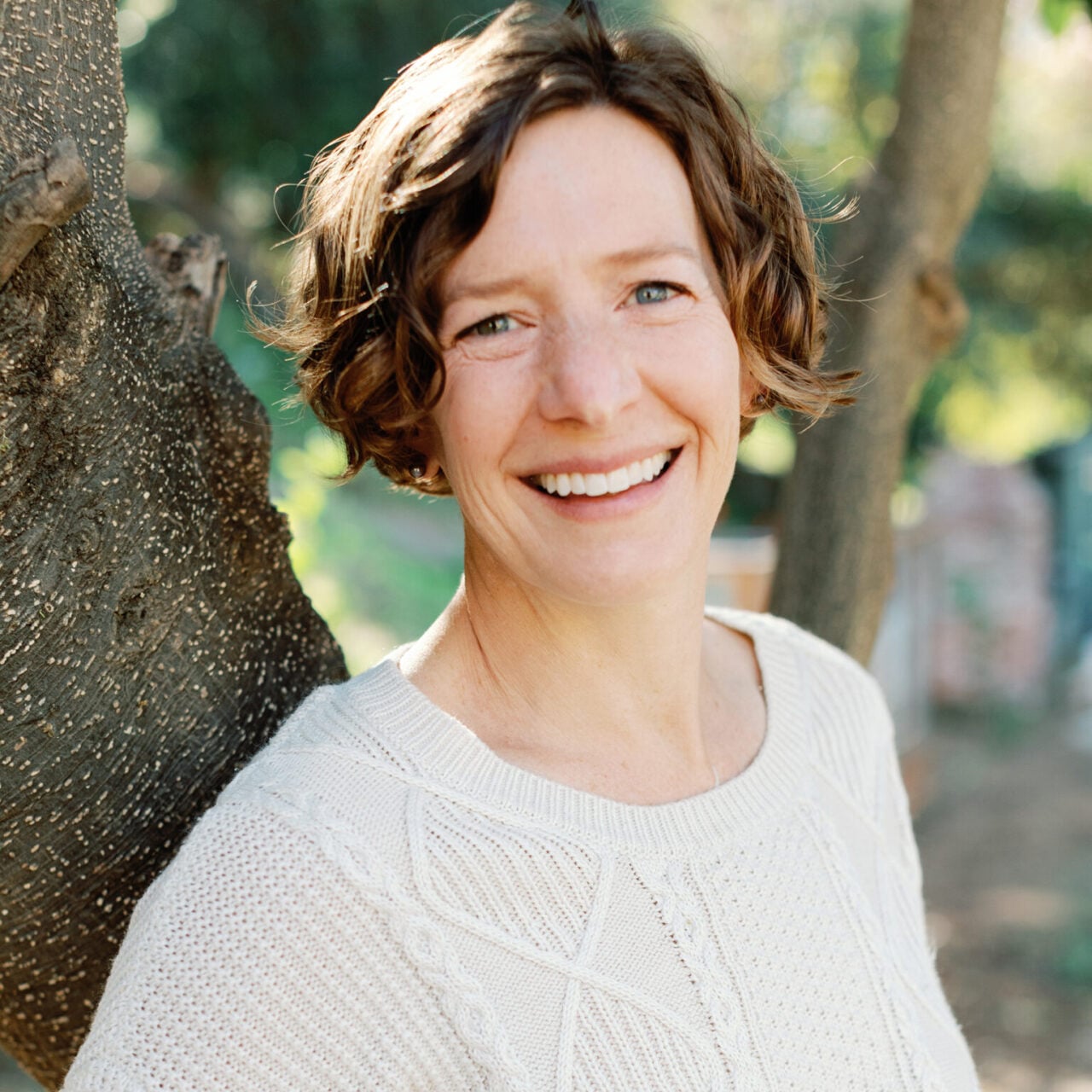
Nicola Twilley is author of Frostbite: How Refrigeration Changed Our Food, Our Planet, and Ourselves, winner of the 2025 James Beard Award for Literary Writing, the 2025 California Book Awards Nonfiction Gold Medal, the 2025 Nach Waxman Prize, and the 2025 Nautilus Book Awards Gold Medal for Journalism and Investigative Reporting. She is co-host of the award-winning Gastropod podcast, which looks at food through the lens of history and science and is part of the Vox Media Podcast Network in partnership with Eater. Her first book, Until Proven Safe: The History and Future of Quarantine, was co-authored with Geoff Manaugh and was named one of the best books of 2021 by Time, NPR, The Guardian, and the Financial Times. She is a contributing writer at The New Yorker and was one of the 2025 winners of the National Academies of Sciences Eric and Wendy Schmidt Awards for Excellence in Science Communications. She lives in Los Angeles.
Historic Core Scholarships
We believe preservation education should be accessible to everyone. For all of the PRC’s fee-based programs, we reserve a portion of seats for Historic Core Scholarships, providing free registration for community members who are stewards of historic structures (built prior to 1976) and who otherwise might not be able to participate.
Paid registration fees support the Preservation Resource Center’s educational programs and help us keep them accessible to our community.
Need a Historic Core Scholarship? Select the scholarship option when registering. No explanation or documentation is required.