
New Orleans is shrinking. In 1840, New Orleans was the third-largest city in the country. By 1960, the city’s population peaked at more than 620,000 people. In 2025, the estimated population was just over 360,000.
Hospitality workers, culture bearers, musicians, cooks and families are being displaced or choosing to relocate because severe storms and flooding, coastal erosion, aging infrastructure, high insurance premiums and a lack of affordable housing have created a dire situation for this cultural epicenter, now one of the most vulnerable historic cities in the United States.
A recent study by Tulane researchers argued that coastal Louisiana has reached a “point of no return” and called for immediate planning around managed relocation. The media coverage that followed perpetuated a doomsday narrative—good for clicks, but tough for public morale.
New Orleans is no stranger to hardship, and much of its history has been defined by human tragedy and natural disaster. But the city’s recent inclusion in World Monuments Fund’s 2026 Irreplaceable America initiative, following a nomination by PRC and several local partners, allows us to reframe recent challenges in a more hopeful light. How can New Orleans’ built heritage and traditional practices inform meaningful solutions that can be replicated on a global scale?
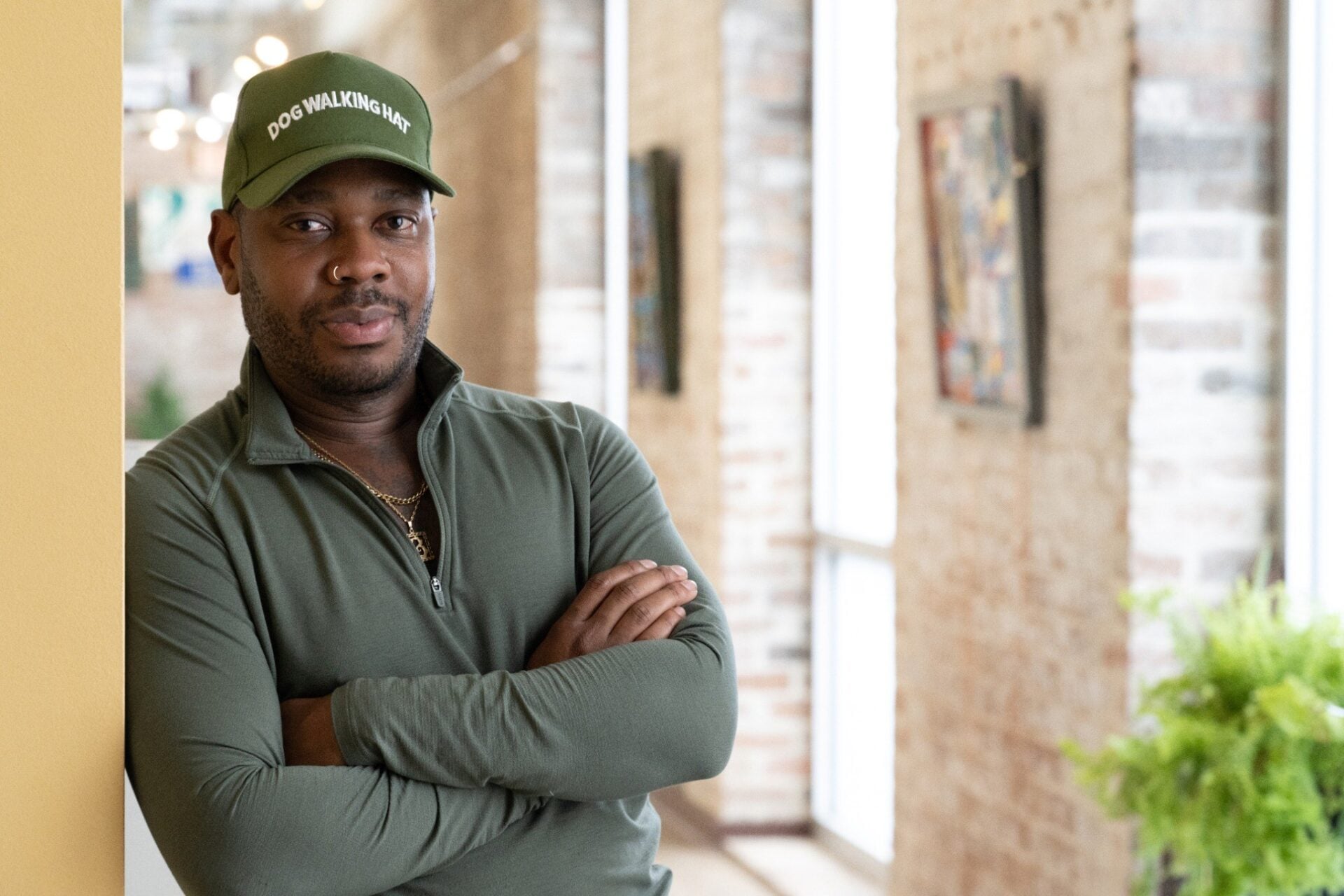
“Without PEOPLE a city cannot ADAPT, cultural traditions cannot CONTINUE, and buildings fall into decay.”
MaryNell Nolan-Wheatley
At this pivotal moment, New Orleans can be a valuable American case study for other historic coastal communities facing similar risks. The response needs to be multifaceted, but history shows that historic building practices can be a strategic tool for future solutions. Understanding and protecting New Orleans’ historic neighborhoods can help a city in crisis move toward sustainability and stability.
When it comes to protecting historic architecture, there is precedent for New Orleans serving as a model for the rest of the country. In fact, the regulatory framework for historic preservation in the United States is indebted to New Orleans for a French phrase given legal force in 1941: tout ensemble. Translated as “all together,” the concept solidified the idea that the Vieux Carré (or French Quarter) is significant as a whole rather than as a collection of individual parts.
In the early 20th century, New Orleans recognized the value and precariousness of the French Quarter, which was beautiful, old and decaying. A 1921 amendment to the Louisiana Constitution laid the groundwork for the Vieux Carré Commission, which was established as an advisory body in 1925; another amendment in 1936 gave the city authority to create a regulatory commission to protect the district.
Five years later, the idea of tout ensemble was invoked in the landmark Louisiana Supreme Court case City of New Orleans v. Pergament, when the justices affirmed that the Vieux Carré was more than the sum of its parts, thereby upholding the commission’s authority to consider the district in its entirety: “The purpose of the ordinance is not only to preserve the old buildings themselves, but to preserve the antiquity of the whole French and Spanish quarter, the tout ensemble, so to speak, by defending this relic against iconoclasm or vandalism.”
What Makes New Orleans Irreplaceable?
Explore the campaign and share the place, tradition or memory that matters to you.
The 1941 decision rejected the idea that architectural and cultural value was reserved for individual landmarks, transforming how historic places were protected nationwide. Instead, vernacular buildings — the homes and businesses of working- and middle-class people — were recognized as exceptionally valuable when considered all together.
Importantly, New Orleans is the only city among WMF’s 2026 selections. Recognition of the city in its entirety extends the concept of tout ensemble from a collection of buildings within a neighborhood to the entire urban landscape: the city, a place composed of neighborhoods, considered all together.
For the last 300 years, New Orleans’ mixture of people, histories and traditions has created a complicated, vibrant, often difficult but always singular place. It is irreplaceable because no one thing can fully explain the city’s lure; rather, elements have integrated over time to create something remarkably distinct.
Strategically established on the Mississippi River, the city developed as a confluence of French, Spanish, West and Central African, Caribbean and Indigenous cultural practices. From the start, New Orleans was adaptable. The people, climate and natural environment dictated how the city grew and what it looked like.
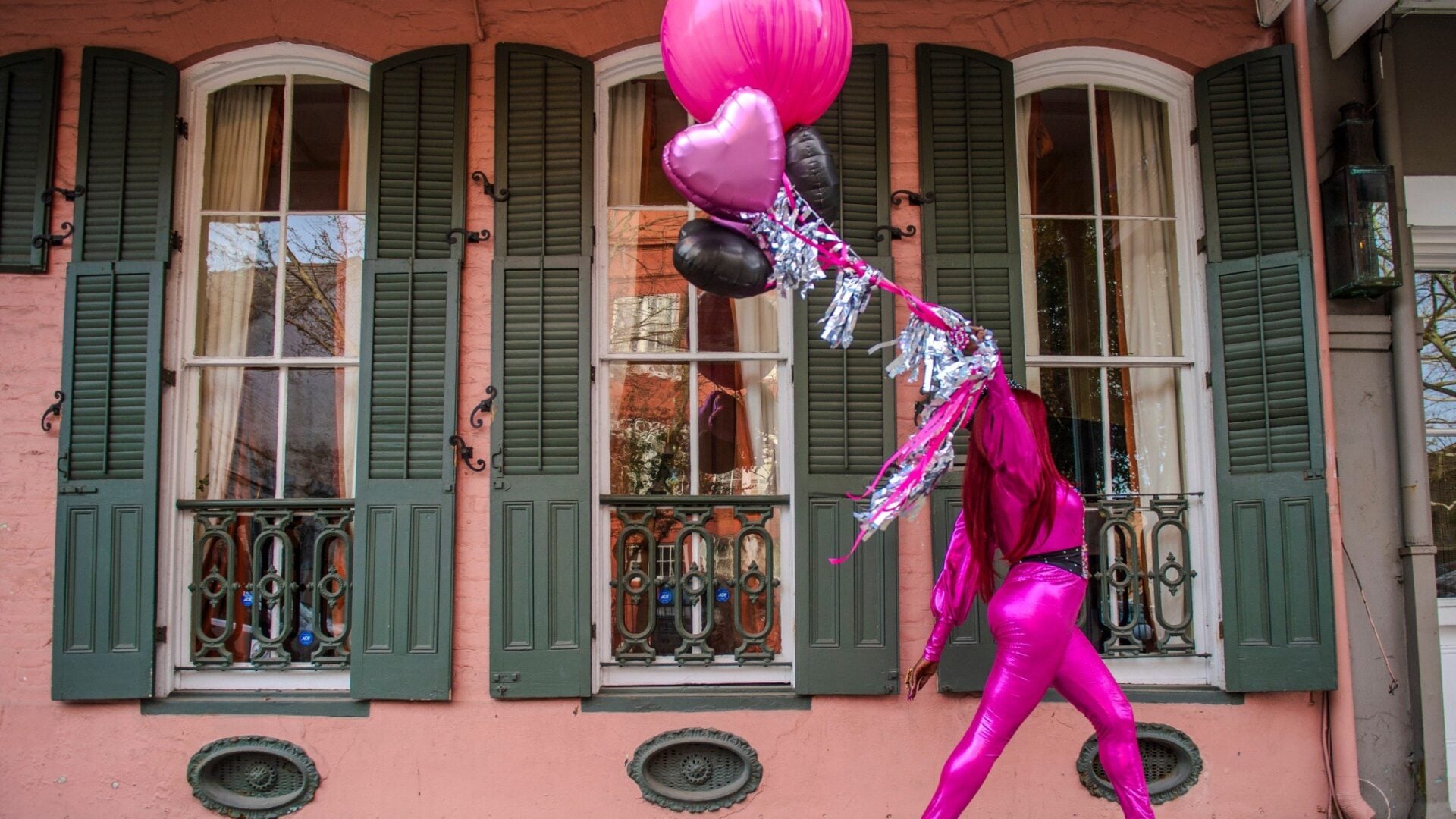
Expanding beyond the Vieux Carré, historic neighborhoods (or faubourgs) followed high ground along the river. This geographic constraint made neighborhoods dense and walkable, with housing types that could accommodate a range of economic needs. Vernacular housing incorporated local materials and features to optimize resilience to heat, rain and rising water. Plaster walls, old-growth wood, high ceilings, porches, shutters, transoms and brick-pier foundations were early adaptations to the climate.
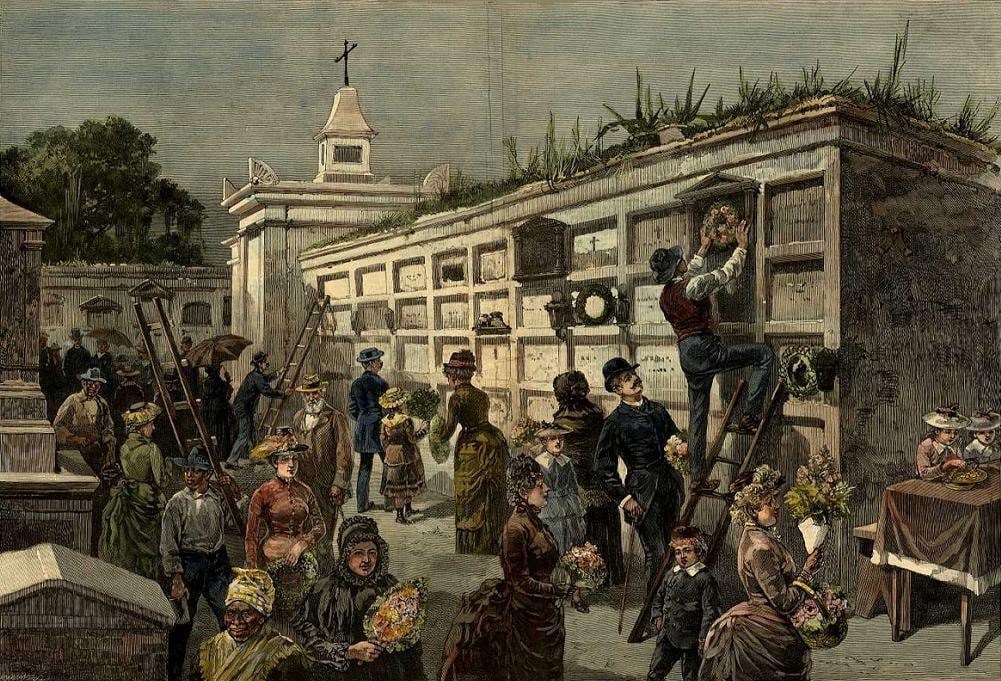
Within the city’s neighborhoods, social and cultural practices emerged that have defined New Orleans for generations. New Orleans remains a living cultural landscape where traditions are intrinsically tied to place. Historic building techniques and trades, jazz, Mardi Gras traditions, second lines and local cuisine have all had an outsized impact on American culture, turning the city into a global destination.
Visitors continue to pour into the city, driving the economy while adding further pressure to delicate infrastructure. Meanwhile, New Orleanians — the people who make this city irreplaceable — are leaving because they cannot afford to stay. Homeowners’ insurance costs have soared in Orleans Parish to $4,447 on average, according to the Louisiana Department of Insurance. More than 21,000 people left the city between 2020 and 2025, the Data Center stated.
History shows that New Orleans is no stranger to climatic, environmental and economic risks, so adaptation and fortitude have always been core components of daily life. But without people, a city cannot adapt, cultural traditions cannot continue and buildings fall into decay.
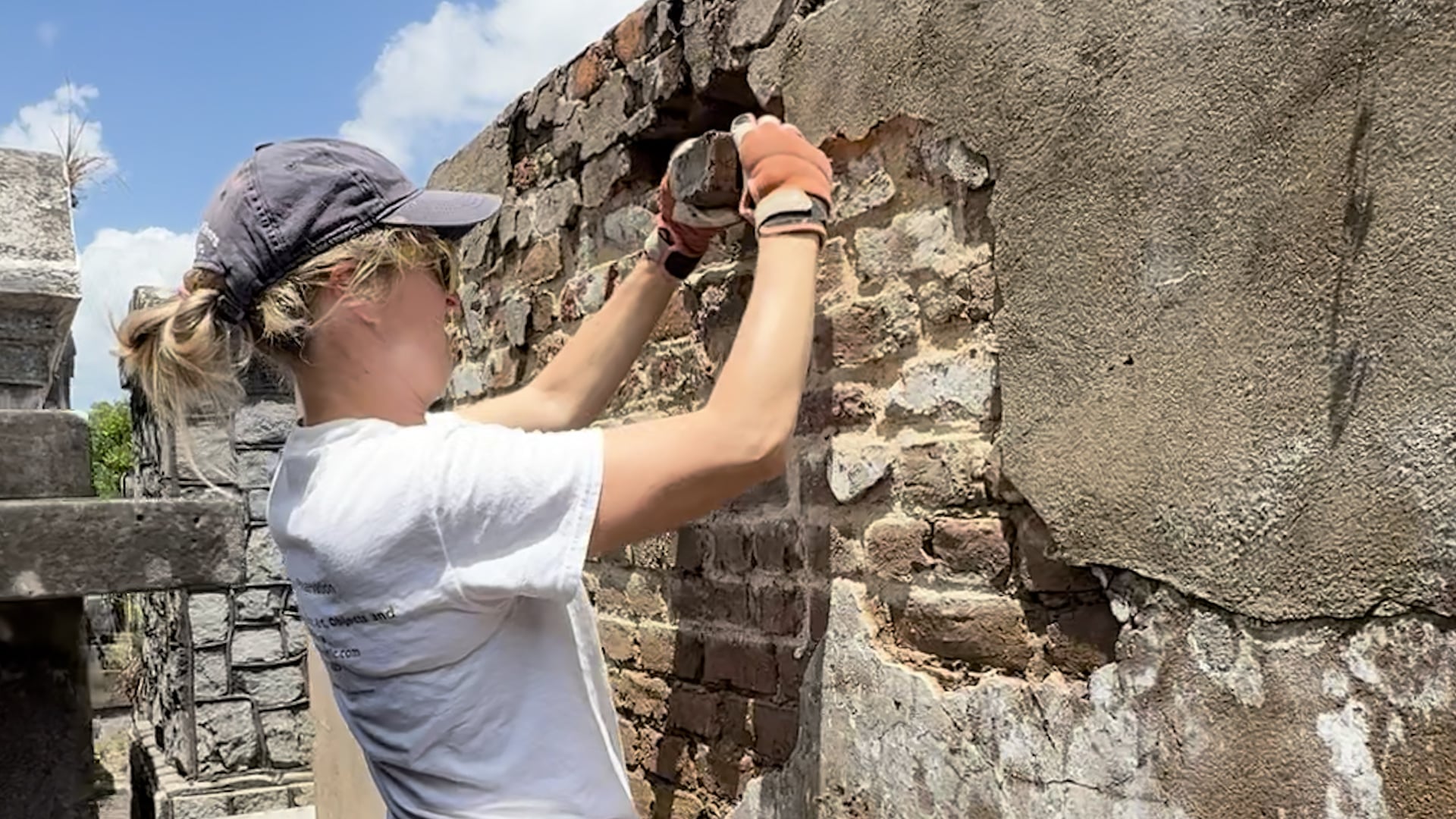
WMF’s initiative acknowledges what New Orleanians have known for centuries: the city cannot be replaced, and its longevity matters to the entire country. PRC will work with its local partners and WMF over the next year to identify solutions for New Orleans through educational programming, workforce development in historic trades and neighborhood input.
Urgent action is needed to protect New Orleans—its neighborhoods and its people—all together.
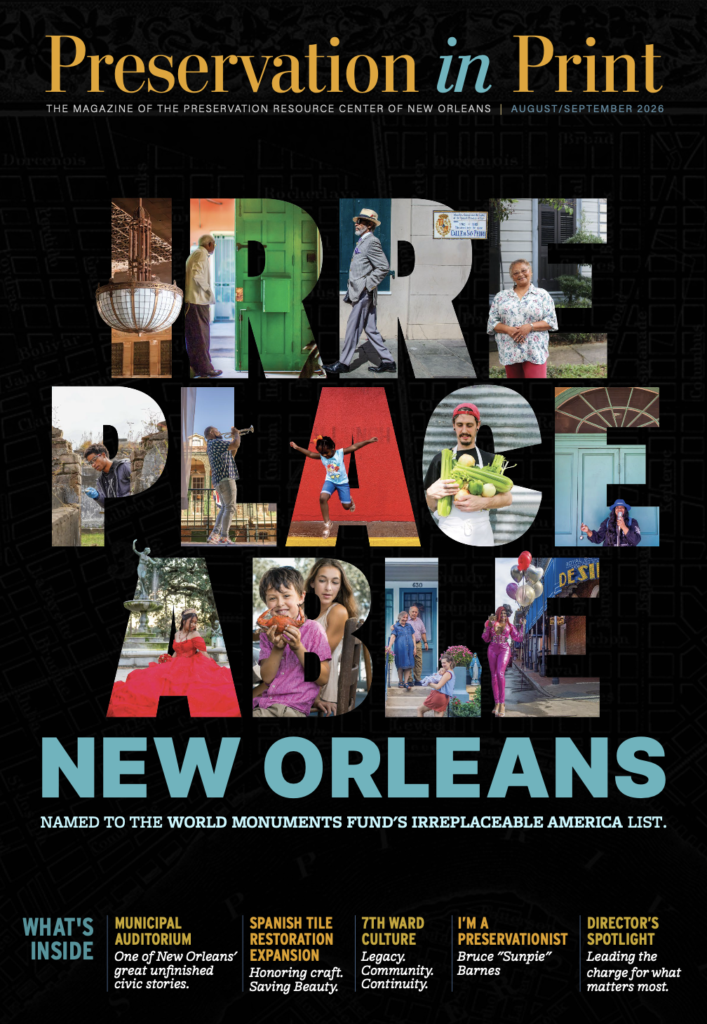
Get Preservation in Print Delivered to Your Door
Enjoyed this story? It originally appeared in Preservation in Print, PRC’s magazine exploring the people, places and stories behind New Orleans’ historic architecture, neighborhoods and culture.
Become a PRC member and get Preservation in Print delivered straight to your door! Stay in the know about our historic landscape, including the latest preservation news and stories from our historic cemeteries. Learn more about upcoming classes, tours, travel programs and special events throughout the year.
Not ready to become a member yet? Sign up for our newsletter and stay connected!