When World Monuments Fund invited nominations for Irreplaceable America, a campaign connected to the 250th anniversary of the signing of the Declaration of Independence, the charge was both simple and impossible: identify places whose stories help explain the American experience, and whose futures face urgent preservation challenges.
When given this request, how do you choose one place in our city, a city with the breadth of history, architecture, culture and challenges like no other? I could not. There is not one house, one building or one cultural tradition that could be held up to represent who we are as a people, truly signify the challenges we have faced for more than 300 years, or explain the greatest threats to our survival now.
In New Orleans, the story does not live in one place. Our built environment has been layered over time, woven through a street grid that changes in each neighborhood. Each neighborhood looks and feels different, and our culture reflects that. You cannot have one without the other. They are intrinsically linked and inform one another. A place and its culture cannot be separated from the whole.
So PRC proposed that we nominate our entire city. No other city or place is reflective of the diversity of cultures that built this country or of the strategic importance of the physical location that enabled the economic and physical growth of our country.
And as for current challenges, no other place in this country is under multi-pronged threats to the degree that our city is. The origin story of New Orleans predates our city and our country; it was here before us, as our Indigenous ancestors knew the strategic importance of this land. Now, our very location has made us vulnerable due to man-made actions and inaction.
Our built environment, which reflects our physical environment, is under threat due to population loss. That population loss is driven by the cost of housing and is also impacted by rising insurance rates due to our climate threats. How do you save a historic house from demolition if there is no one to live in it?
Our neighborhoods and our culture become weaker as we lose the people who contribute to our vitality. New Orleans is often referred to as the soul of this country, one of the last truly authentic places. It is our neighborhoods and our people that create that. Displacement is a true existential threat. How do you preserve a neighborhood if the people who give it meaning are priced out, flooded out or worn down by the cost of staying?
Our authenticity is further eroded by overtourism and the vast pressures placed on our infrastructure, built environment and economic systems. We are under threat of becoming a caricature of our former self. If our musicians, artists, hospitality workers and city workers cannot live here, we are no longer New Orleans.
But there is no other city that has proven we can face the current challenge, adapt and thrive. Twenty years ago, we proved to the rest of the country and the world that we were irreplaceable, that we would return and that we would create solutions where governments had failed us. It started with the individual who made the decision to come back and rebuild, and it was carried forward by an amazing and diverse group of grassroots efforts, organizations and institutions that worked tirelessly to rebuild our broken systems.
That is why we brought in partners to assist with the nomination process: The Ella Project, which advocates for our cultural heritage; Louisiana Landmarks Society, which advocates for our built environment; Tulane University, a leader in research and education; and The Water Collaborative, a nonprofit dedicated to advocating for and implementing solutions to water management.
Each partner speaks to the critical juncture we now find ourselves in. This is not only a reflection point; this is a call to action. With our partners, we will focus this coming year on creating a dialogue to find concrete solutions to address our challenges. Being included as the only city in World Monuments Fund’s Irreplaceable America campaign, we have a national and international platform to share our findings and garner support and resources.
The 250th anniversary of our democracy provides not only a space for acknowledging the collective progress and achievements of what we have attained as a country, but also a marker of a point in time. This time, though rife with challenges, provides us with an opportunity to define how we want to move forward. Preservation has to be at the center of that conversation and provide the solutions so we can thrive.
What makes New Orleans irreplaceable to you?
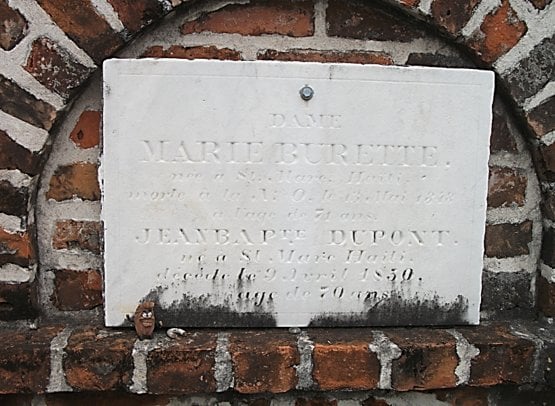
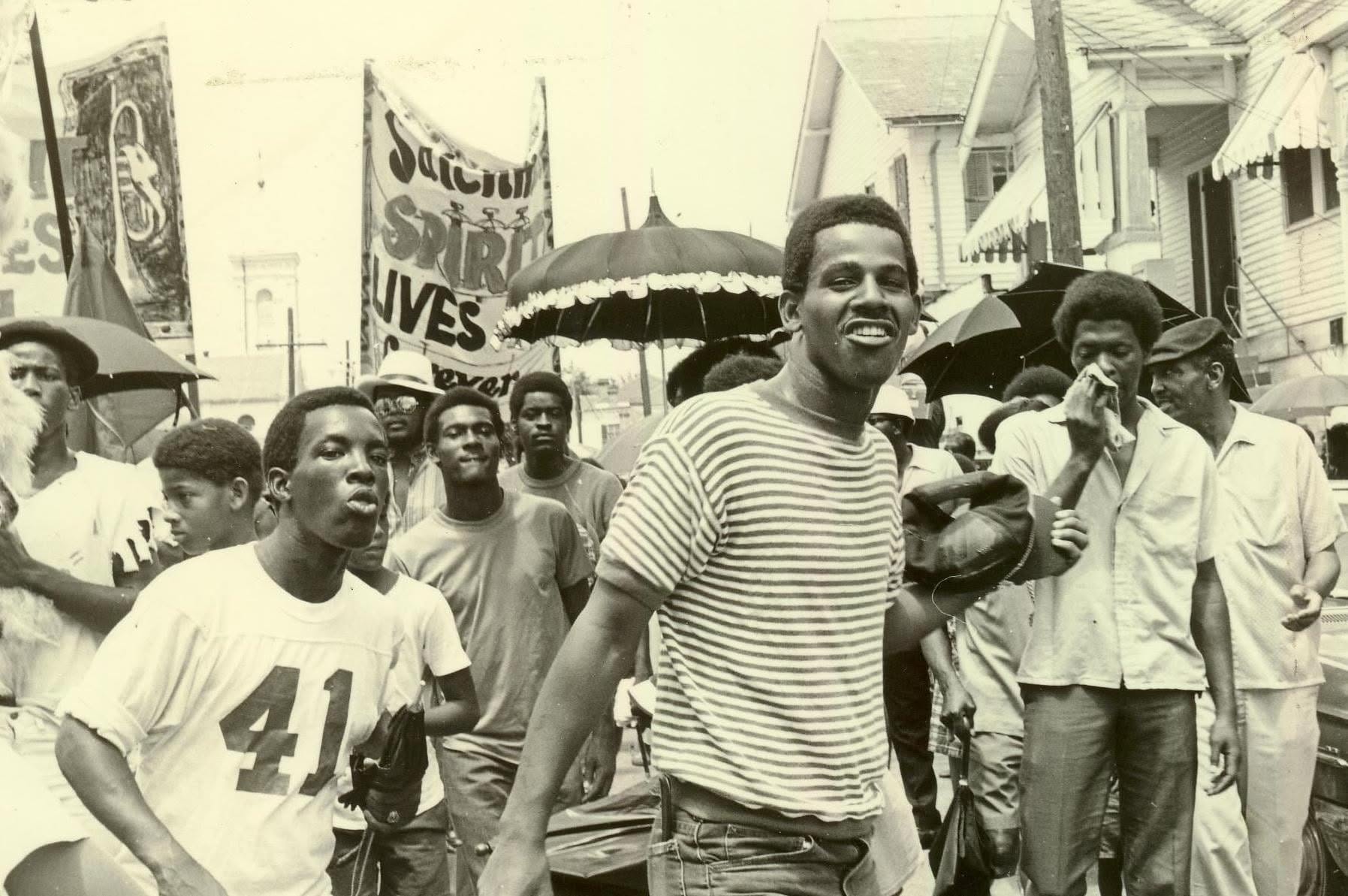
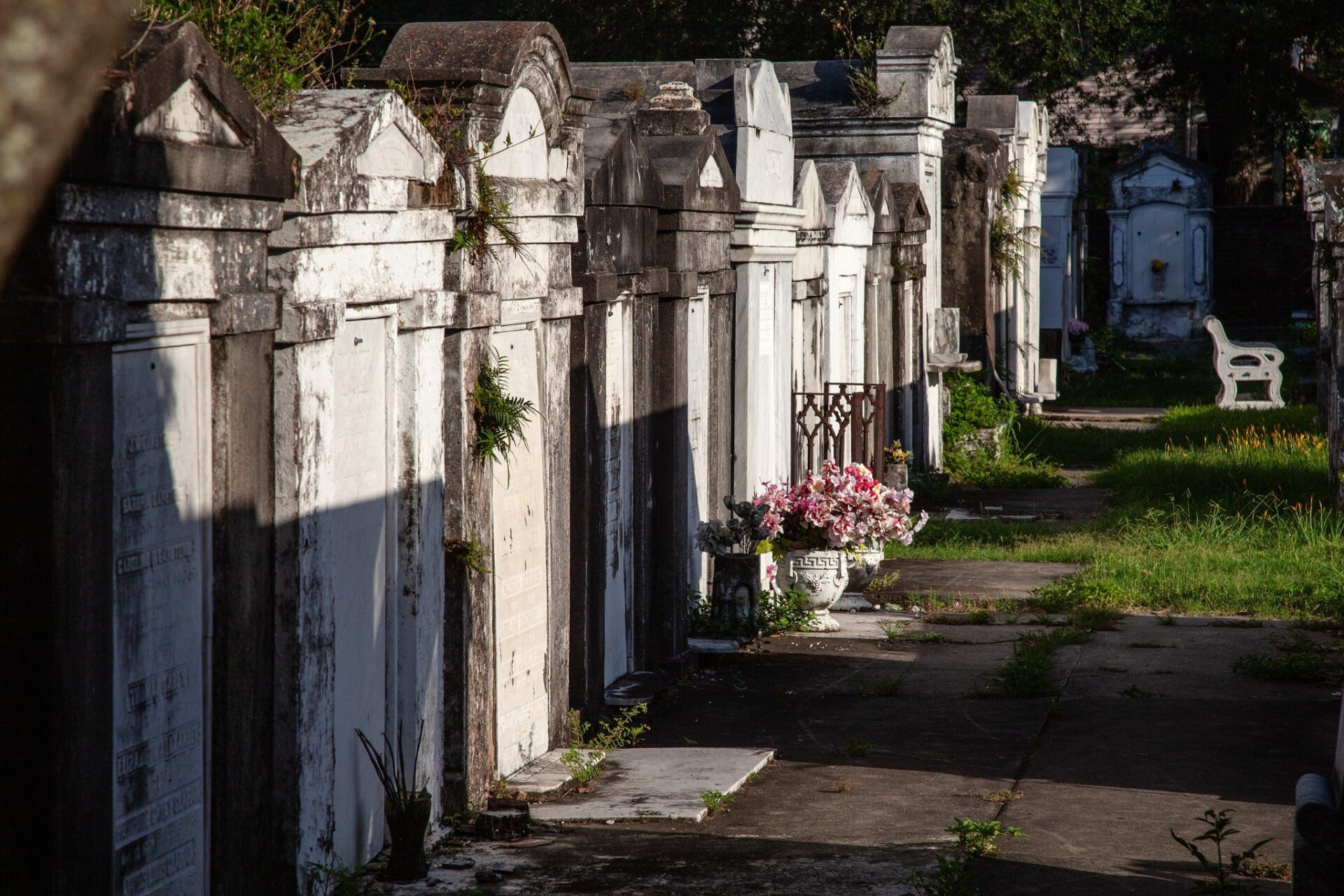
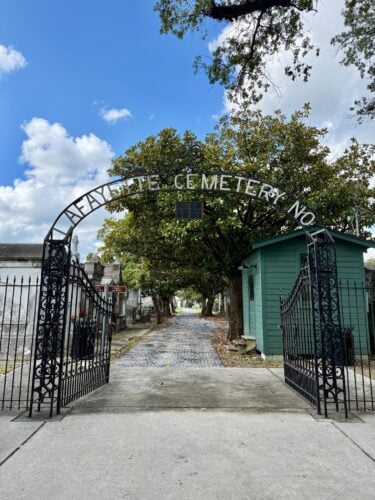
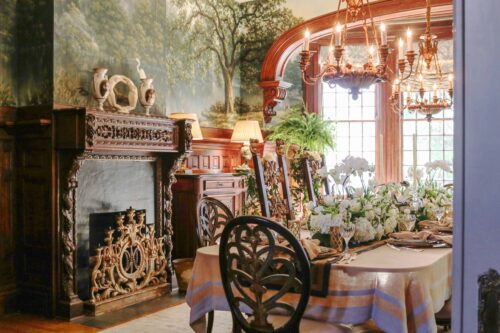
Every New Orleanian has a place that holds part of the city’s story: a home, a block, a corner store, a church, a school, a restaurant, a porch, a cemetery, a music venue, a parade route, a gathering place, a memory.
As PRC launches this year of awareness around Irreplaceable New Orleans, we want to hear from you.
Tell us about a place, tradition, building or neighborhood that makes New Orleans irreplaceable — and why it matters. Your response may help shape future stories, social media posts, public programs or preservation conversations connected to this campaign.
Irreplaceable New Orleans
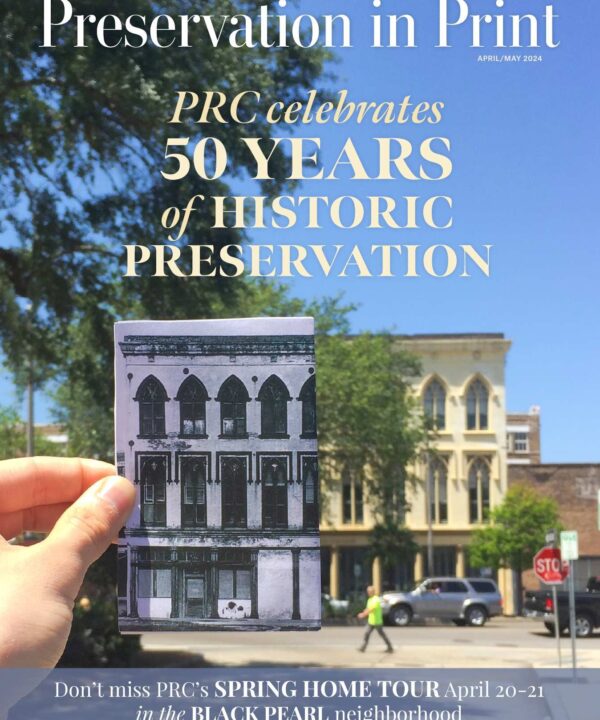
Get Preservation in Print Delivered to Your Door
Enjoyed this story? It originally appeared in Preservation in Print, PRC’s magazine exploring the people, places and stories behind New Orleans’ historic architecture, neighborhoods and culture.
Become a PRC member and get Preservation in Print delivered straight to your door! Stay in the know about our historic landscape, including the latest preservation news and stories from our historic cemeteries. Learn more about upcoming classes, tours, travel programs and special events throughout the year.
Not ready to become a member yet? Sign up for our newsletter and stay connected!