
What the Hell am I Doing Here?
It’s a question for everyone who chooses to make their home in an antique city that stalwartly refuses, no matter who our elected officials are at any given time, to fall into line and just cooperate. It’s a matter of age, culture, climate, geography, tradition, education and finances. It’s just everything.
For those of us who make a conscious choice to live in historic properties, the question is compounded: What the hell am I doing here? We ask ourselves repeatedly because our drafty old abodes lack energy efficiency and, thus, assault our pocketbooks; our old plaster walls crumble a bit in protest every time a big truck rattles down our pockmarked streets; our antiquated pipes groan every time a toilet is flushed; or the stairs creak and screech as would a rat underfoot.
Henceforth, I will address the question “What the hell am I doing here?” within these pages with people in our community, both homeowners and renters, who choose to feather their nests in spaces that are at or past the century mark.
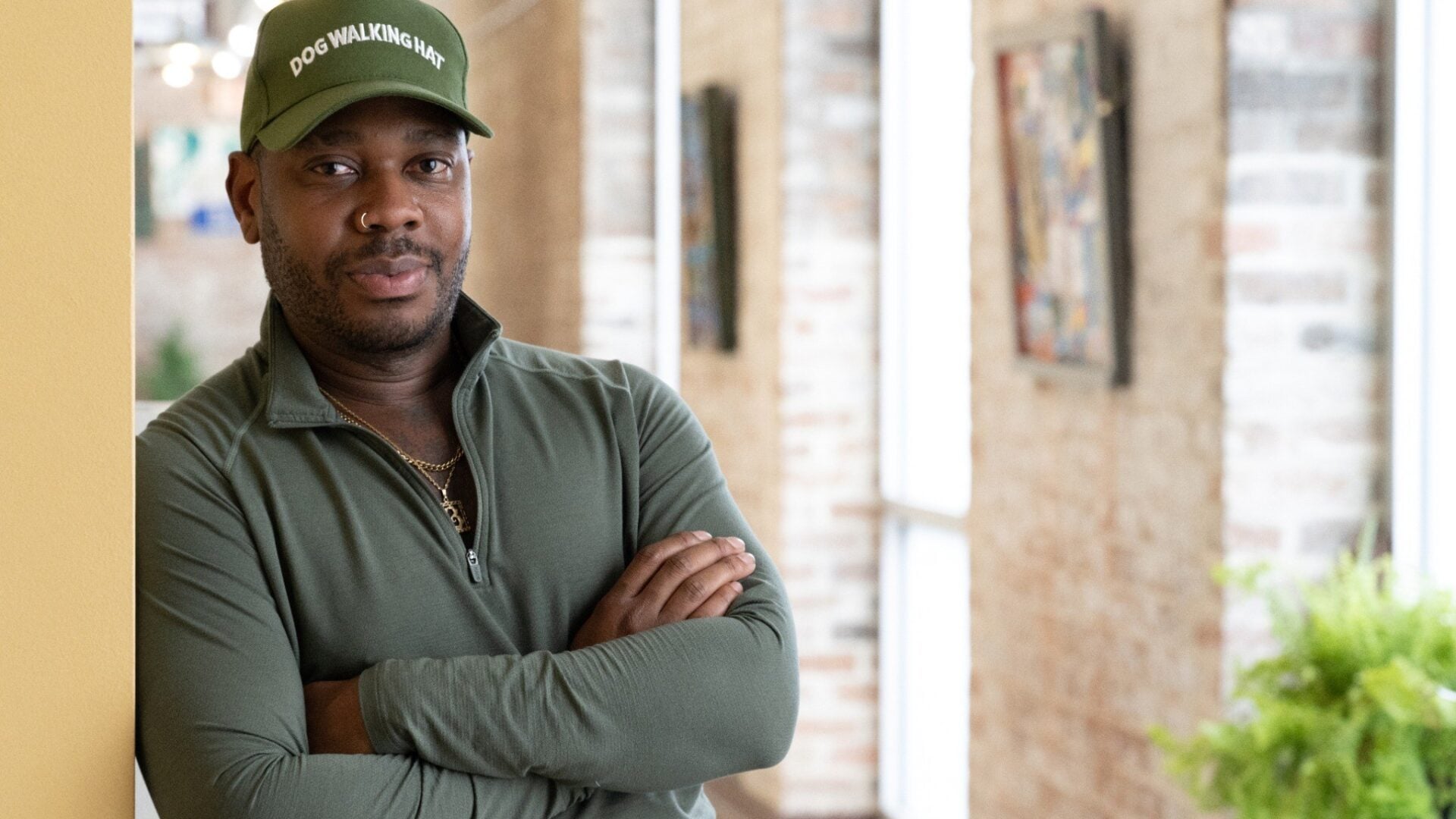
First up is Dustin Burks, aka The Botanist Barber. The 37-year-old grew up in Metairie, where he lived until May 2019, when he moved to the St. Joe Lofts in the Warehouse District.
What is now Burks’ complex was previously occupied by Prager, Inc. and Woodward Wight & Co., both early 20th-century operations handling shipping supplies, steel tools and industrial equipment. The complex also served as a facility for the National Biscuit Company (Nabisco) in the 1930s. The oldest building in the complex was completed in 1912. In 2010, under the ownership and loving stewardship of Erik Beelman, the buildings were converted into a sustainable, mixed-income residential community to serve local creatives. The work included a laborious restoration of the historic heavy-timber and masonry buildings and a new three-story addition. The conversion used state and federal historic tax credits and Low-Income Housing Tax Credits and met Louisiana Housing Finance Authority (LHFA) green building standards.
St. Joe has 61 units — 37 in the historic structures and 24 in the newer construction. The development includes heavily insulated walls to buffer sound between disparate types of artists, such as raucous musicians and solitary, contemplative writers. The lobby and hallway spaces function as art galleries and exhibition venues. Fifteen spaces were also intentionally set aside as housing for veterans.
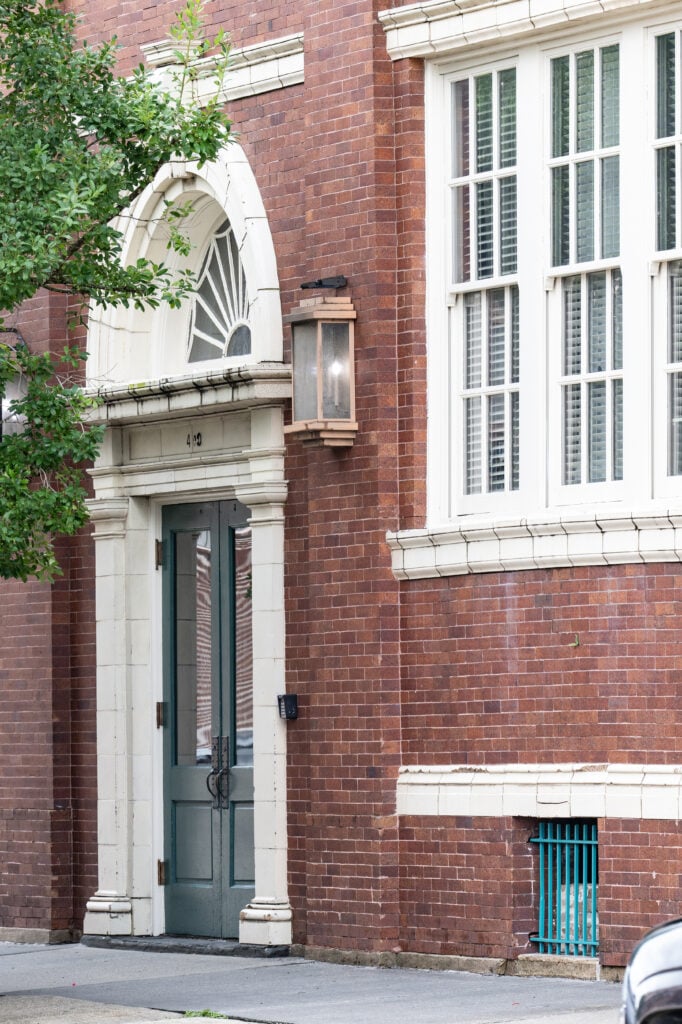

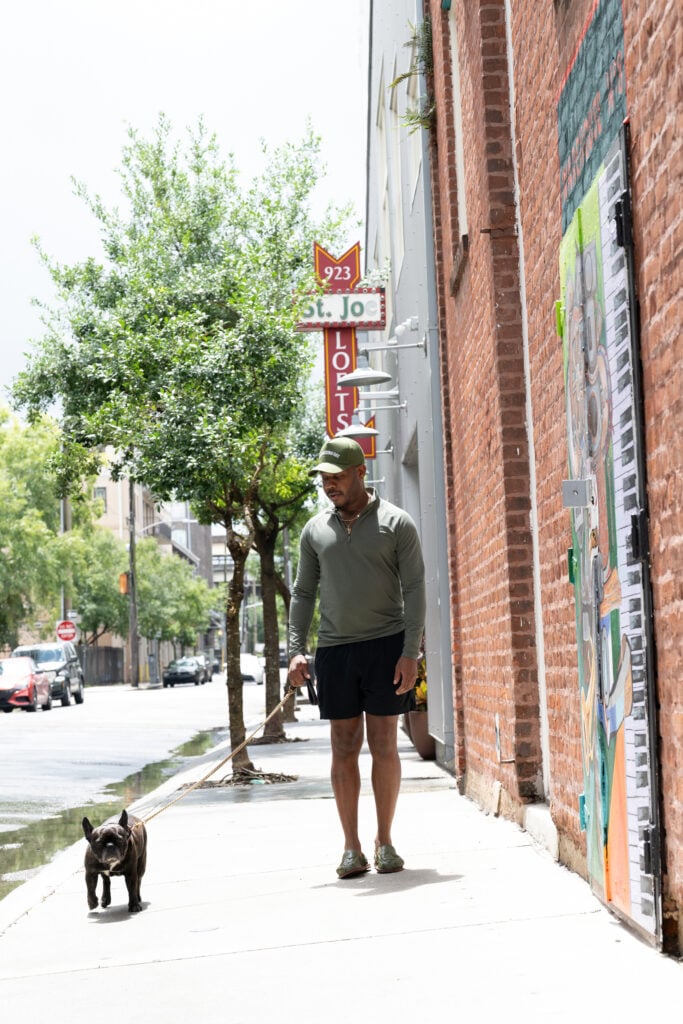
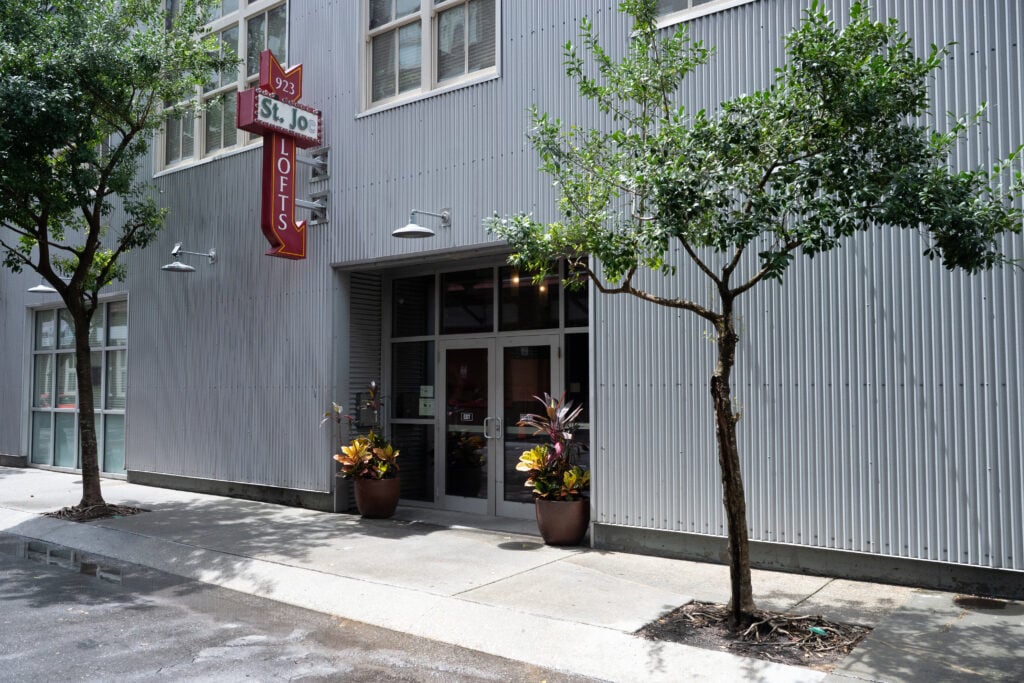
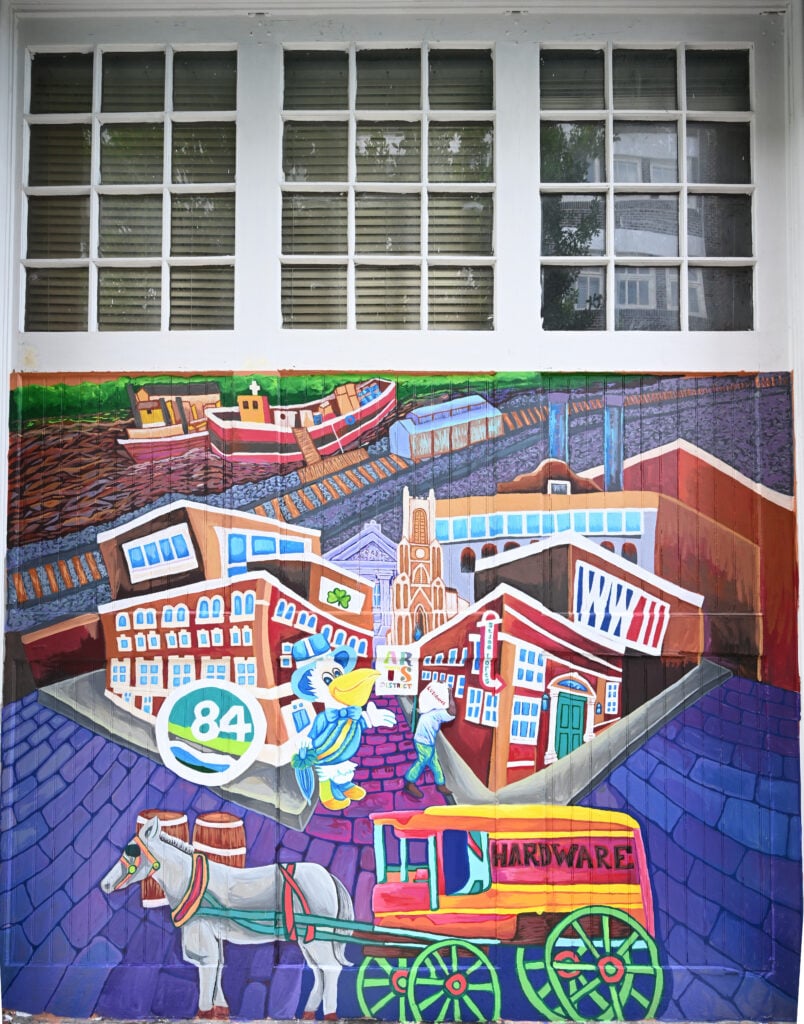
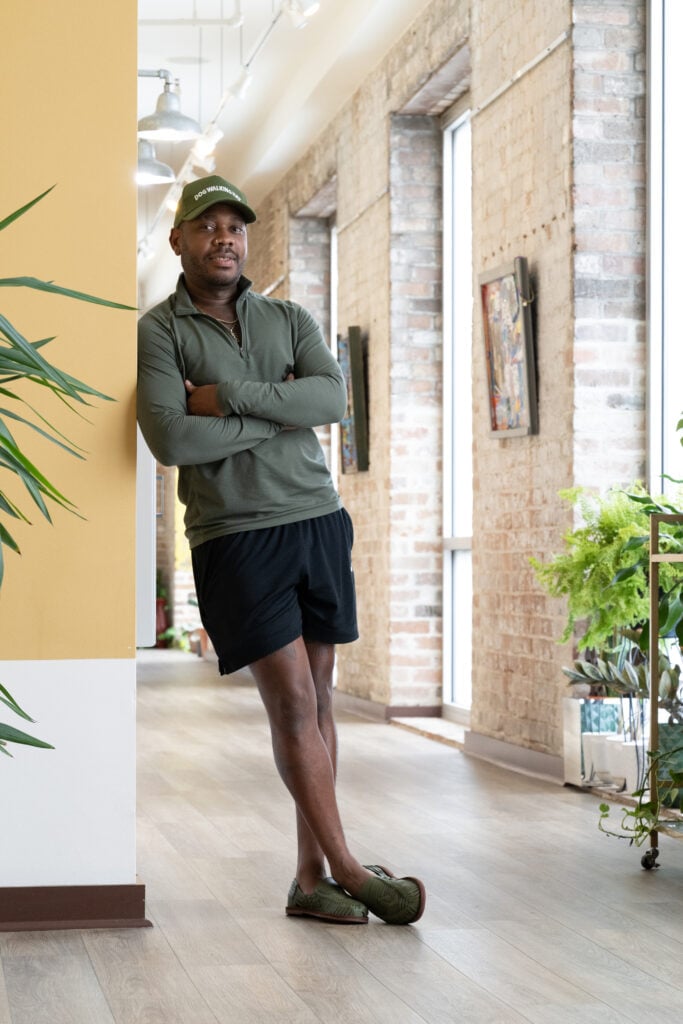
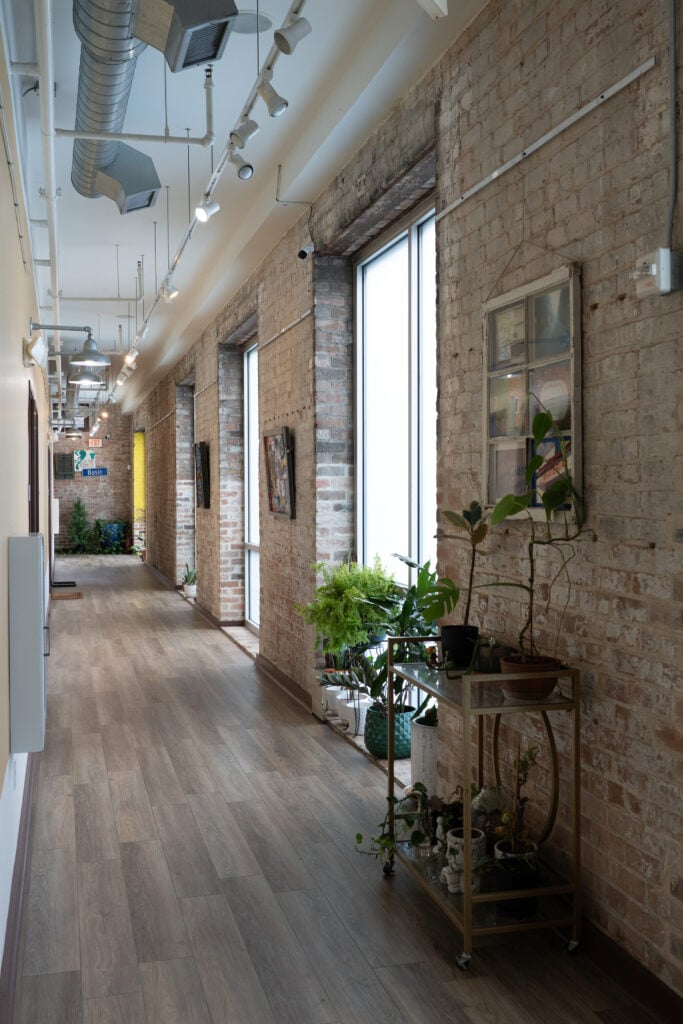
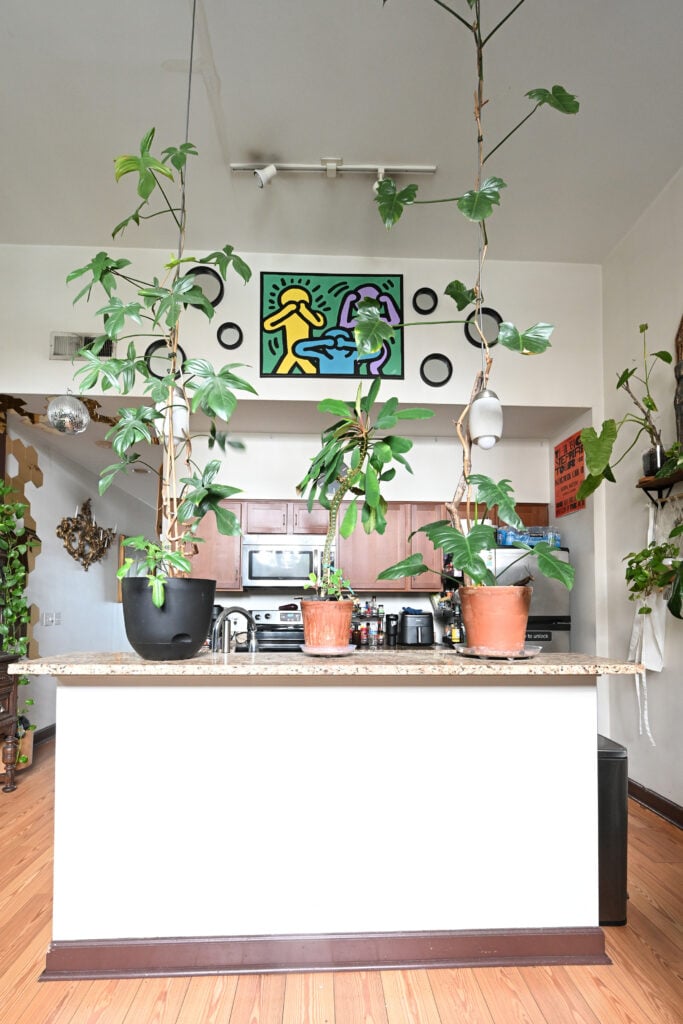
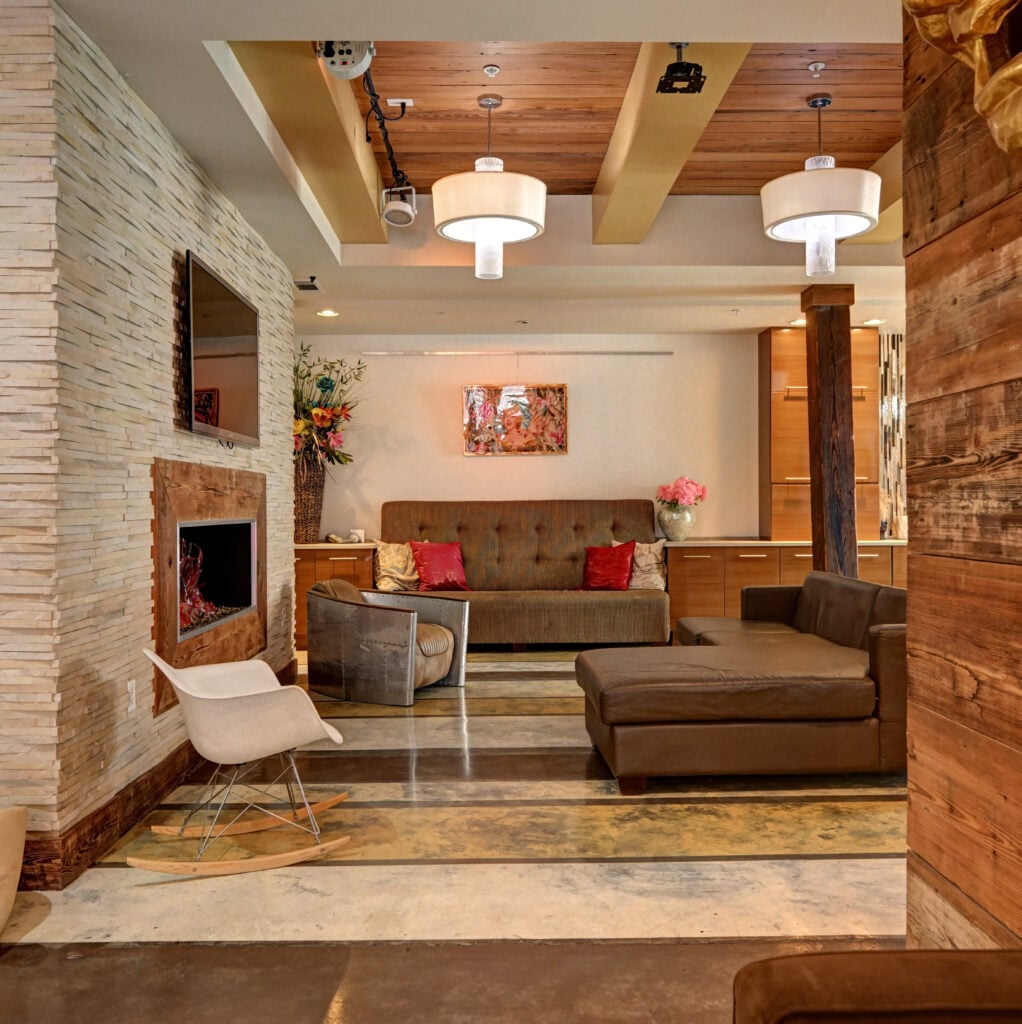
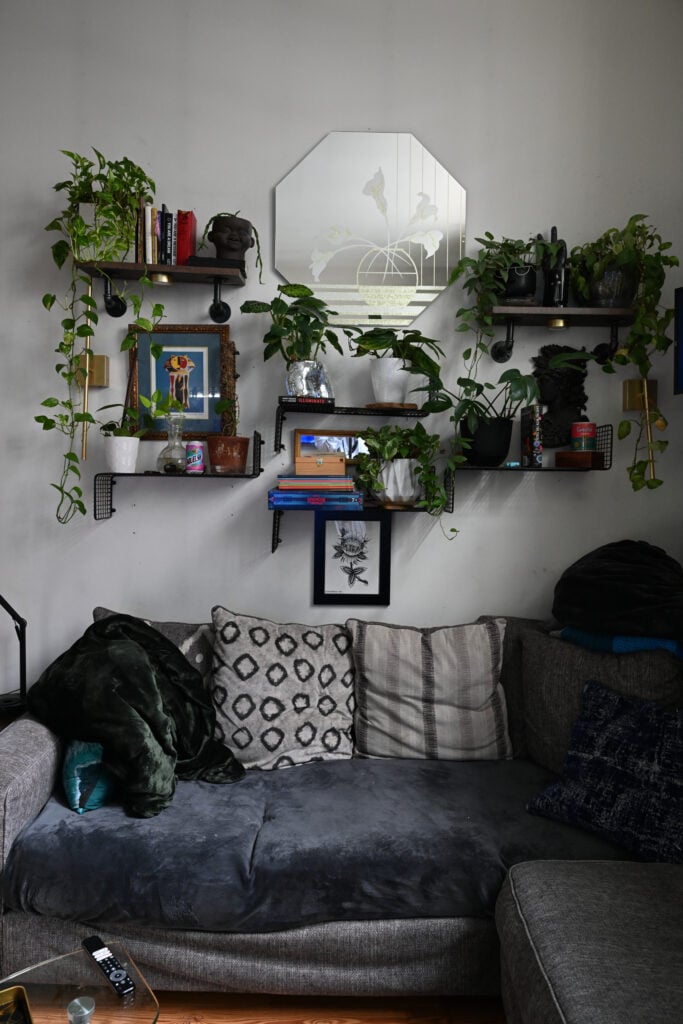
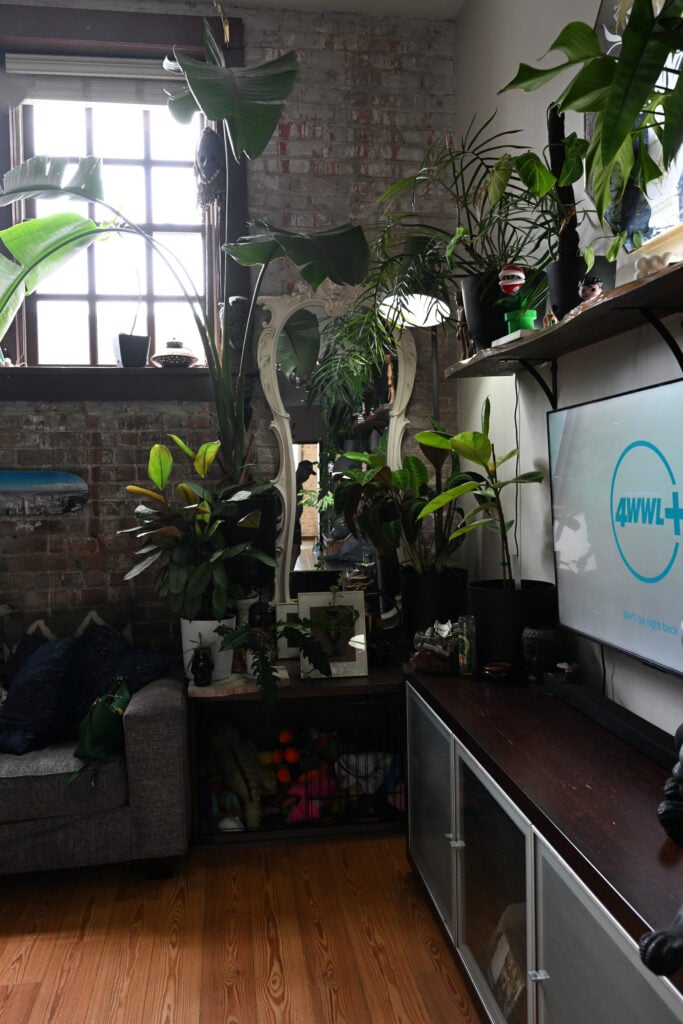
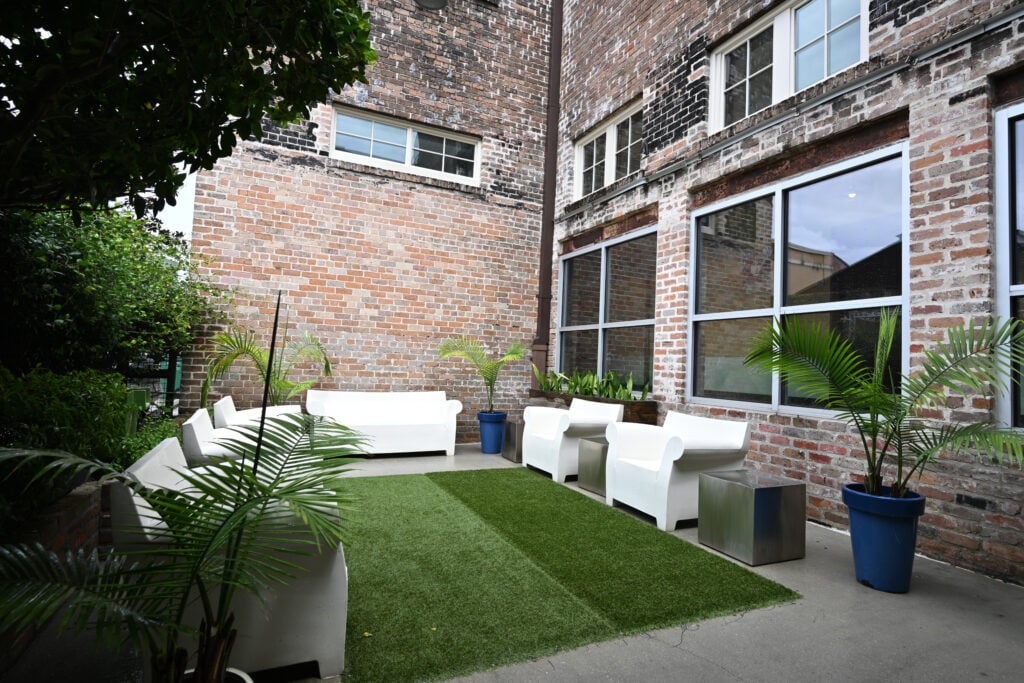
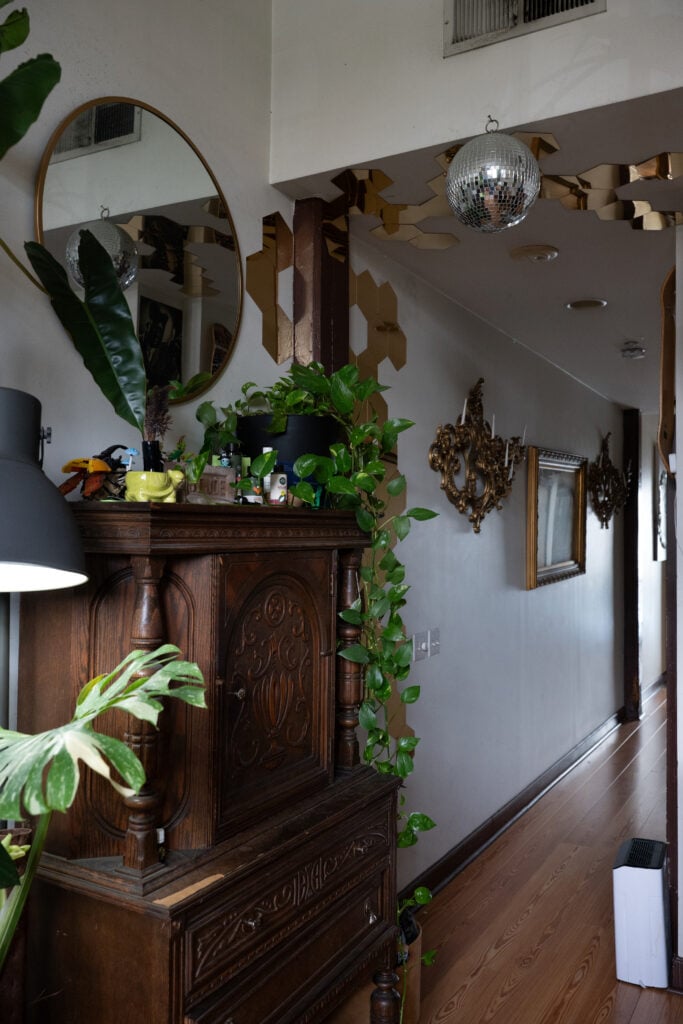
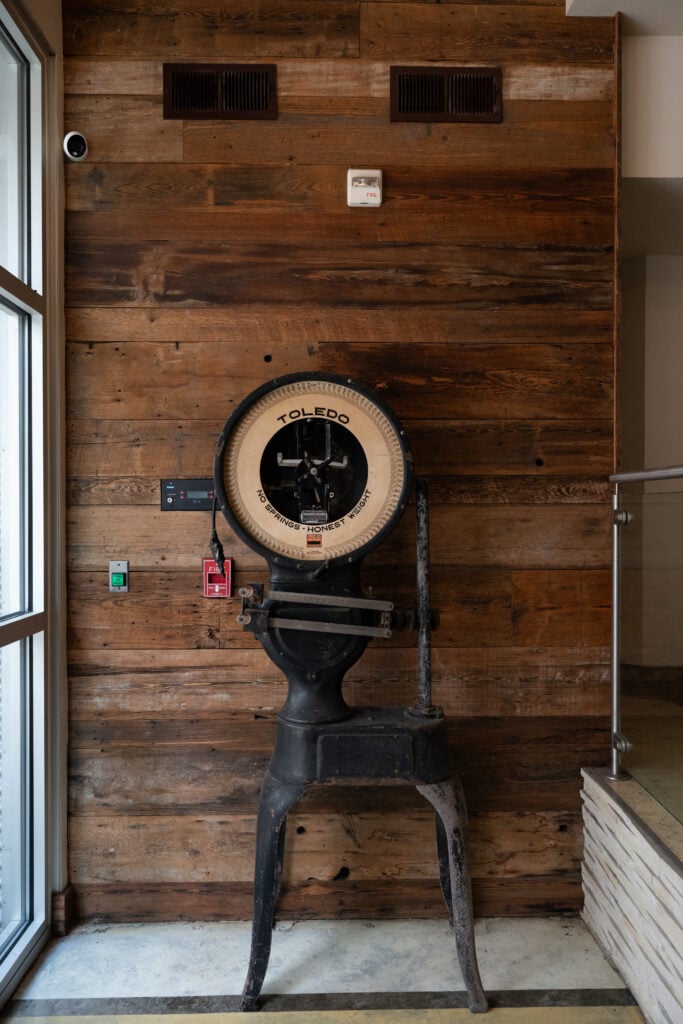
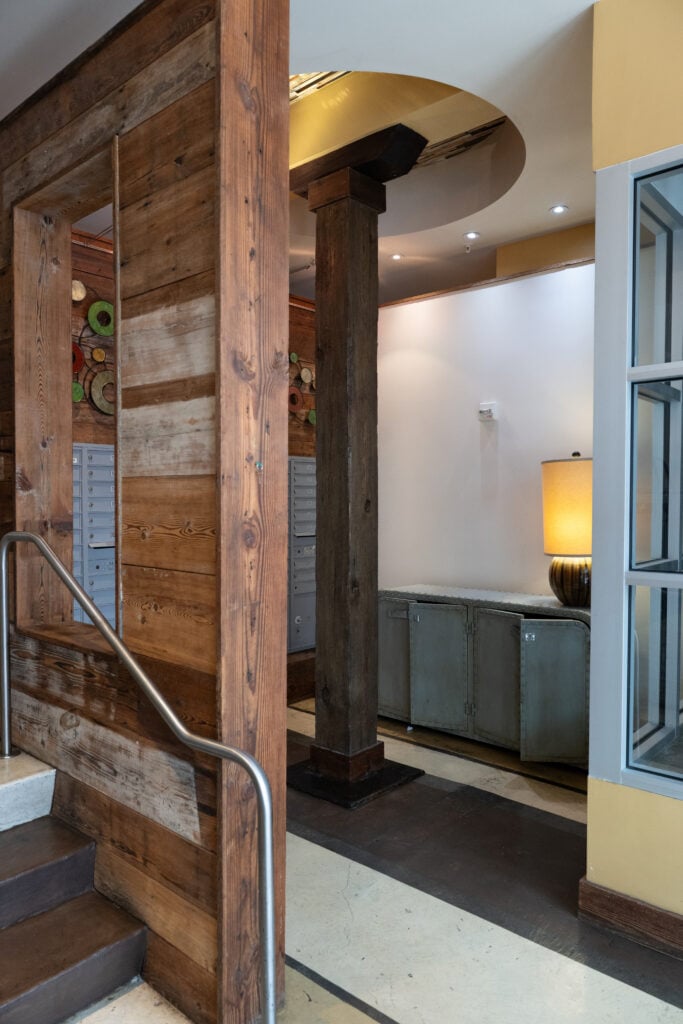
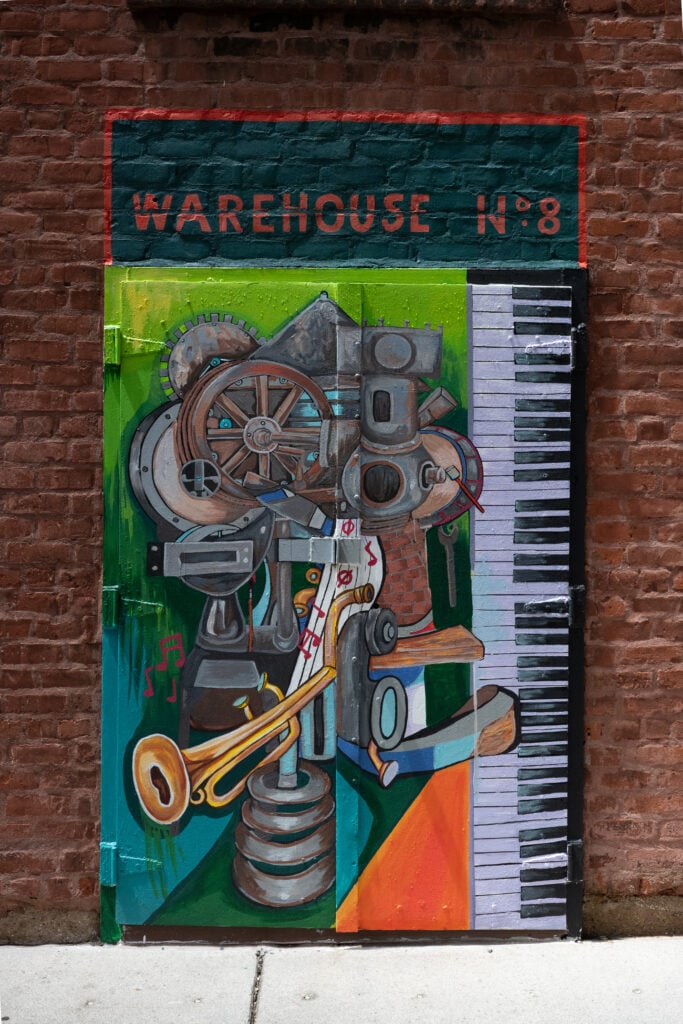
Photo by Jeff Strout
Photo by Jeff Strout
Photo by Jeff Strout
Photo by Jeff Strout
Photo by Jeff Strout
Photo by Jeff Strout
Photo by Jeff Strout
Photo by Jeff Strout
Photo by Jeff Strout
Photo by Jeff Strout
Photo by Jeff Strout
Photo by Jeff Strout
Photo by Jeff Strout
Photo by Jeff Strout
Photo by Jeff Strout
Photo by Jeff Strout
Photo by Jeff Strout
How the Hell Did I Get Here?
“A friend was living in this apartment,” said Burks, a hairstylist with the Beauty Lounge by trade and a passionate plant person by hobby. His stylish 700-square-foot apartment is in one of St. Joe’s historic structures.
“When my friend decided to move, he suggested I should take his apartment. I love the light that comes in,” he said of the building’s original high, double-hung, south-facing windows. “My plants thrive. The old, exposed brick walls and beams have so much character. The ceilings are high, making this place feel bigger than it is. I feel like the brick exterior helps to regulate the temperature in the building, too. There is a terrarium effect.”
Burks’ apartment is a lush indoor jungle filled with a collection of rare, thriving tropical plants. His verdant collection extends from his apartment into a communal hallway lit by north-facing frosted glass windows, creating a dreamy, airy atmosphere. His living art mingles with the works of visual artists who share the sun-splashed corridor. Burks shares his personal living space with Zuri, a lively 5-year-old dark brindle female French bulldog, who enthusiastically welcomes visitors but reserves her most ardent gazes and adoration for Burks.
“I don’t have a car,” Burks said. “I got rid of mine four years ago. I don’t need one. I just walk to work two blocks away. I am surrounded by all the social life I want. The Rusty Nail (Bar) and the Corporation (Bar & Grill) are our neighborhood board games headquarters. The only things I miss about my old place are having a yard and a pond, but the tradeoff is living in a place I never want to leave.”
Burks adorned his space with gilded candelabras, mirrors, original and customized art pieces and diverse furnishings mainly acquired from Facebook Marketplace. A large, authentic 1970s-style mechanized disco ball slowly rotates before a window, its mirrored surface reflecting light and casting kaleidoscopic prisms about the room.
Burks attributes his success to sticking with tropical mid-canopy plants such as monstera, philodendron and anthurium, which prefer the same light and water conditions.
“I think of this entire building as a big tree,” Burks said. “These old buildings have their own hidden interior lives, their own histories, things they have witnessed.”
“These old buildings have their own hidden interior lives, their own histories, things they have witnessed.”
Dustin Burks
Do you live in a historic property in New Orleans? Why? Whether you own or rent, I would like to tell your story. Hit me up at [email protected].